

Drought conditions have been declared across significant portions of central, eastern, and southern England, as well as throughout Wales, following prolonged heatwaves and exceptionally dry weather patterns. Both regions recorded what are provisionally their driest periods in recorded history, with rainfall far below normal levels compounded by hot conditions during spring and early summer months. The combination has placed considerable strain on water resources and affected agriculture and natural environments.
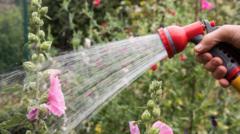
More than 25 million households across England and Wales are now subject to hosepipe bans imposed by water companies struggling to meet demand during the dry period. Nine water companies have implemented these restrictions, with eight located in central, southern, and eastern England and one in Wales. The bans prohibit the use of hosepipes for garden watering, vehicle and window washing, and pool filling. In England, over half the country is classified as being in drought according to the Environment Agency, while other areas are experiencing prolonged dry weather conditions. Wales is entirely designated as drought, with Natural Resources Wales noting deterioration in environmental conditions from sustained heat. Northern Ireland currently has no official drought declarations, while Scotland monitors water scarcity rather than drought, with eastern areas experiencing significant scarcity levels.
Water resources across the region show mixed conditions. Nearly all river flows in England are below normal levels, and reservoirs are operating below average for the season, though they remain above levels recorded at the same point in the previous year. Wales’ reservoir levels are declining. Groundwater, which originates from rainfall and is stored naturally in underground rock formations, was generally at or just below normal in June after being replenished by wetter winter conditions but depleted by spring dryness. Groundwater responds more slowly to climate changes than surface water sources, providing a buffer during drought periods but potentially creating longer-lasting shortages if depleted.
Experts attribute the current conditions to a combination of natural and human factors. Climate scientists indicate that rising temperatures increase atmospheric moisture demand through evaporation, potentially accelerating drought onset and intensity. The Met Office projects that the UK will experience drier summers on average as global temperatures continue rising, though no clear trend has emerged to date. Water infrastructure challenges also contribute, as companies have faced criticism for historic underinvestment. Government and water company plans include construction of nine new reservoirs in England by 2050, alongside efforts to reduce water leaks and manage demand through measures including smart meters and hosepipe restrictions.
Article Attribution | Read More at Article Source
Article summary produced by Claude AI