

Drought conditions have been officially declared across substantial regions of central, eastern and southern England, as well as throughout Wales, following a period of sustained dry weather and record heat. The affected areas have experienced notably low rainfall during recent months, compounded by elevated temperatures in spring and early summer that have strained water resources significantly.
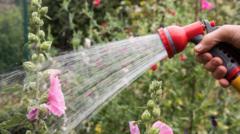
As a result of these conditions, roughly 25 million households in England and Wales are now subject to hosepipe restrictions. Nine water companies—eight operating in central, southern and eastern England plus one in Wales—have implemented bans that prohibit the use of hosepipes for garden watering, vehicle washing, window cleaning and pool filling. These restrictions are being used to manage water demand during periods when supply is under pressure.
Water availability varies by region and source. In England, more than half the country is classified as being in drought, with additional areas experiencing prolonged dry weather. River flows across England are predominantly below normal levels according to environmental authorities. Reservoir levels are currently below average for the time of year in England and Wales, though Northern Ireland and Scotland maintain levels closer to normal. South-east England, which relies heavily on groundwater rather than reservoirs, faces particular vulnerability, as groundwater stores respond slowly to changing conditions but can sustain longer-lasting shortages when depleted.
Experts note that multiple factors contribute to current water challenges. Rising temperatures increase evaporation from soil, rivers and reservoirs, while winter provided above-average rainfall that temporarily benefited water stores. However, questions have emerged regarding the adequacy of water resource management and infrastructure investment. Recent reviews have criticized water companies for historic underinvestment in infrastructure. Government and water company plans include constructing nine new reservoirs in England by 2050, alongside existing efforts to reduce leakage and manage demand. The Met Office projects that the United Kingdom may experience drier summers on average as global temperatures continue rising, though scientists emphasize that drought development involves complex interactions between climate, geography and water usage practices.
Article Attribution | Read More at Article Source
Article summary produced by Claude AI