

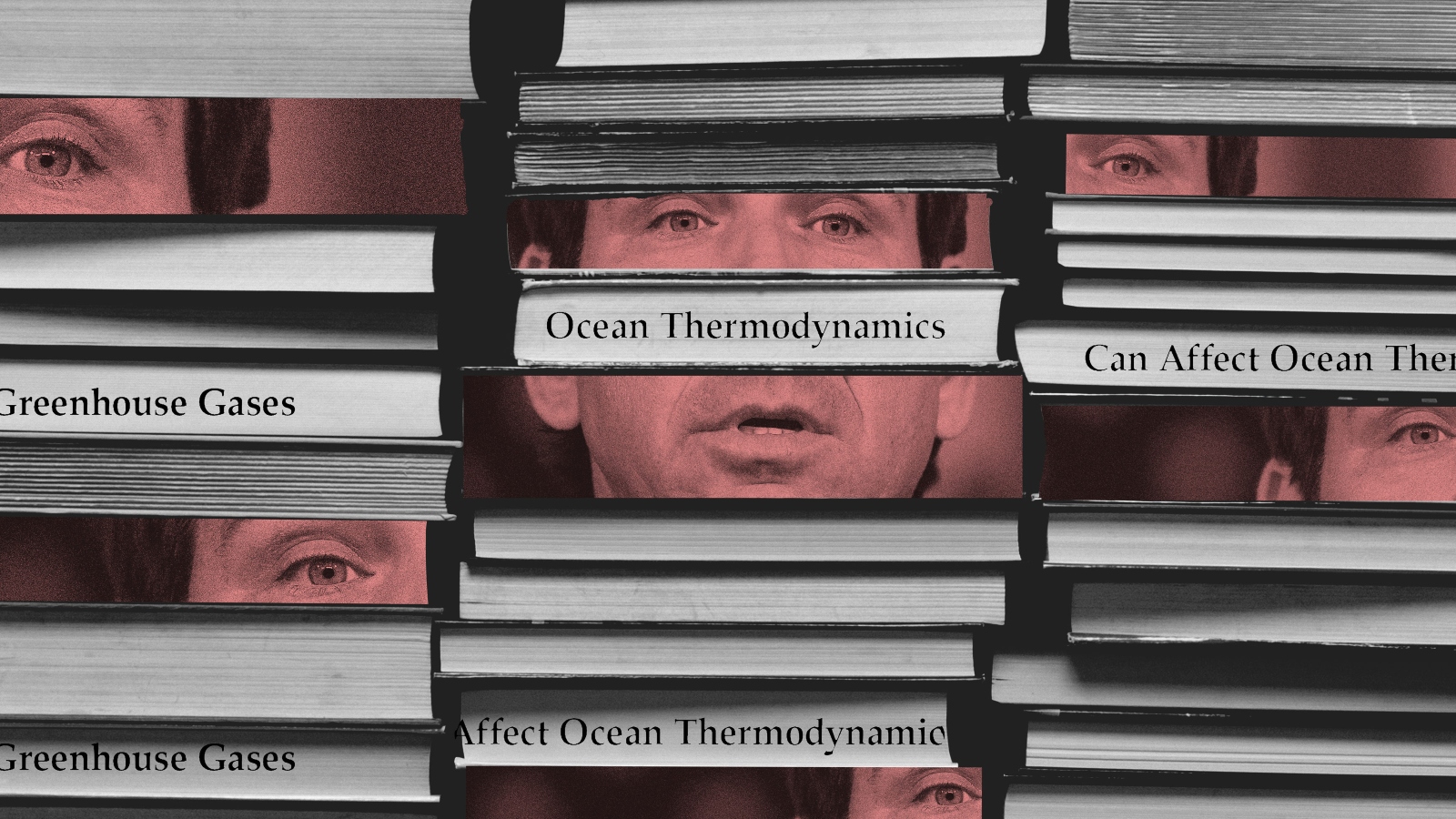
An investigation by WUSF and The Hechinger Report has uncovered requests made by Florida education officials to major science textbook publishers to modify or eliminate content related to climate change. These changes occurred during the summer of 2024 and affected multiple high school science textbooks from publishers including McGraw Hill and Cengage.
Specific alterations included replacing references to climate change with vaguer language about environmental changes, removing descriptions of coal-burning power plants as polluting, and cutting content about renewable energy initiatives. In one instance, detailed research about climate-related mortality was condensed into more general language about health impacts. According to Glenn Branch, deputy director of the National Center for Science Education, these modifications went beyond what was necessary to align with existing state standards and represented an unusual weakening of climate content.
The modifications come as Florida undertakes its first comprehensive update to science standards since 2008. Current standards require students in high school earth science, marine science, and environmental science courses to learn about human-caused climate change, but it remains unclear whether the revised standards will maintain these requirements. State education officials have not publicly addressed questions about whether climate change instruction will be included in the updated standards.
The changes reflect broader political shifts within Florida’s education system under the current administration, which has implemented various curriculum restrictions and policy changes in recent years. Multiple science educators interviewed for the investigation described a culture of caution in schools, where teachers avoid discussing topics labeled as controversial despite not being explicitly prohibited from doing so. Some teachers expressed concern about discussing climate change with students, citing fear of potential professional consequences.
Publishers and state officials characterized the modifications as routine alignment with state requirements. However, Michael Huber, one of the authors of McGraw Hill’s Marine Science textbook, stated he was unaware of the Florida-specific edits and found them problematic. Educational experts emphasize the importance of comprehensive climate change instruction, noting that students will eventually participate as workers, consumers, and voters in a climate-affected world.
Article Attribution | Read More at Article Source
Article summary produced by Claude AI