

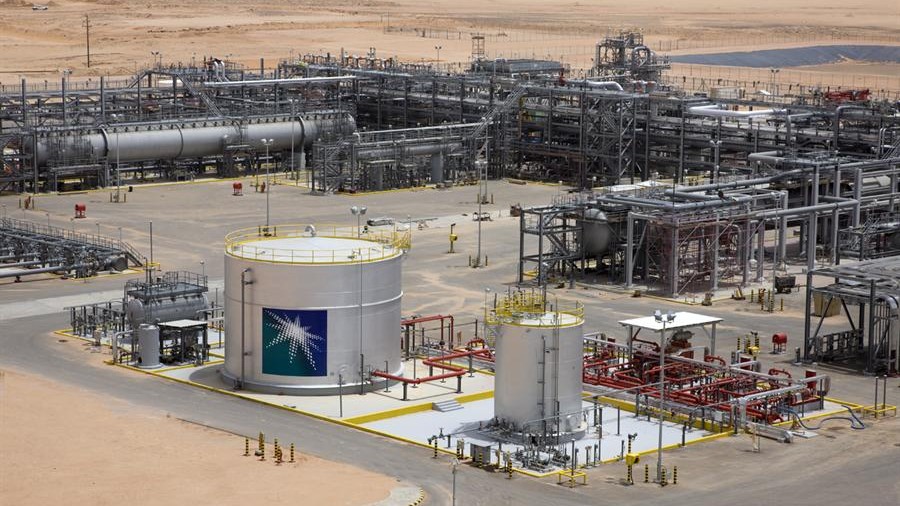
Oil producers in the Persian Gulf are developing alternative export routes to avoid the Strait of Hormuz as geopolitical tensions and shipping disruptions persist in the region. Saudi Aramco has resumed loadings at its Ras Tanura terminal and is offering crude cargoes through ship-to-ship transfers off Fujairah in the United Arab Emirates, allowing Asian buyers to collect shipments without transiting the contested waterway. Very large crude carriers (VLCCs) are commanding premium rates for this strategy, with voyage costs reaching $31 million per vessel as traditional Hormuz traffic has slowed dramatically.
The reduced flow through the Strait of Hormuz reflects ongoing geopolitical complications. A 60-day Memorandum of Understanding between the United States and Iran has expired, and negotiations remain stalled despite reported back-channel discussions through Iraqi intermediaries. Trump administration officials have issued threats against Oman while acknowledging no scheduled talks with Tehran. These tensions have deterred large tanker traffic through the strait, with only six commodity vessels crossing on a recent Monday and no VLCCs or liquefied natural gas tankers observed.
Major shipping operators have adjusted their strategies accordingly. Chinese shipping giants COSCO and CMES, which previously carried approximately half of China’s Middle Eastern crude imports, have ceased Hormuz transits entirely. These companies are redeploying their fleet of more than 100 VLCCs to collect Gulf barrels from alternative Fujairah and Oman pickup points. The routing changes have contributed to record shipping rate increases, with VLCC earnings for Middle East-to-China voyages exceeding $500,000 per day in recent trading.
The elevated freight costs and supply disruptions have influenced global energy markets. Crude prices have climbed as traders price in geopolitical risk, with Brent crude trading near $91 per barrel. Chinese refinery operations showed modest improvement in July with runs increasing to 12.5 million barrels per day, marking the first monthly gain since regional conflict intensified, though volumes remain significantly depressed compared with year-earlier levels.
Article Attribution | Read More at Article Source
Article summary produced by Claude AI