

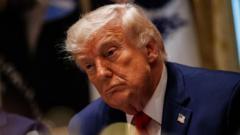
Nearly six months into the conflict with Iran, the Trump administration faces a stalled military campaign with limited prospects for either military victory or diplomatic resolution. In response, President Trump has announced an “economic D-Day” strategy threatening “tremendous” economic consequences for any nation conducting business with Iran.
Treasury Secretary Scott Bessent indicated the administration would take action against both allies and adversaries believed to be supporting Iran, whether through financial transfers, oil purchases, or maritime transactions. Vice-President JD Vance characterized the sanctions as a new conflict phase, arguing economic pressure represents the most effective available tool. The specific mechanics of this campaign were expected to be detailed on 24 August.
The approach builds on existing measures including Operation Economic Fury, which combines Treasury-coordinated sanctions on Iranian financial flows with a naval blockade of Iranian ports. This escalation follows years of sanctions beginning with the 1979 Islamic Revolution and intensifying after the first Trump administration withdrew from the 2015 nuclear agreement.
Experts suggest the new strategy reflects frustration with previous approaches. Michael Parker, a former Office of Foreign Assets Control official, indicated the campaign likely aims to expand secondary sanctions against third countries dependent on the US dollar that maintain Iranian business relationships. However, analysts note Iran has consistently adapted to sanctions through irregular channels, shadow vessels, and newly created commercial fronts, often outpacing enforcement efforts.
The strategy’s ultimate effectiveness depends heavily on compliance from targeted nations, potentially including US allies Turkey and Iraq as well as China. Some observers question whether these countries possess sufficient willingness to prioritize US foreign policy objectives over their own interests, suggesting broader strategic ambiguity may limit the sanctions’ long-term impact.
Article Attribution | Read More at Article Source
Article summary produced by Claude AI