

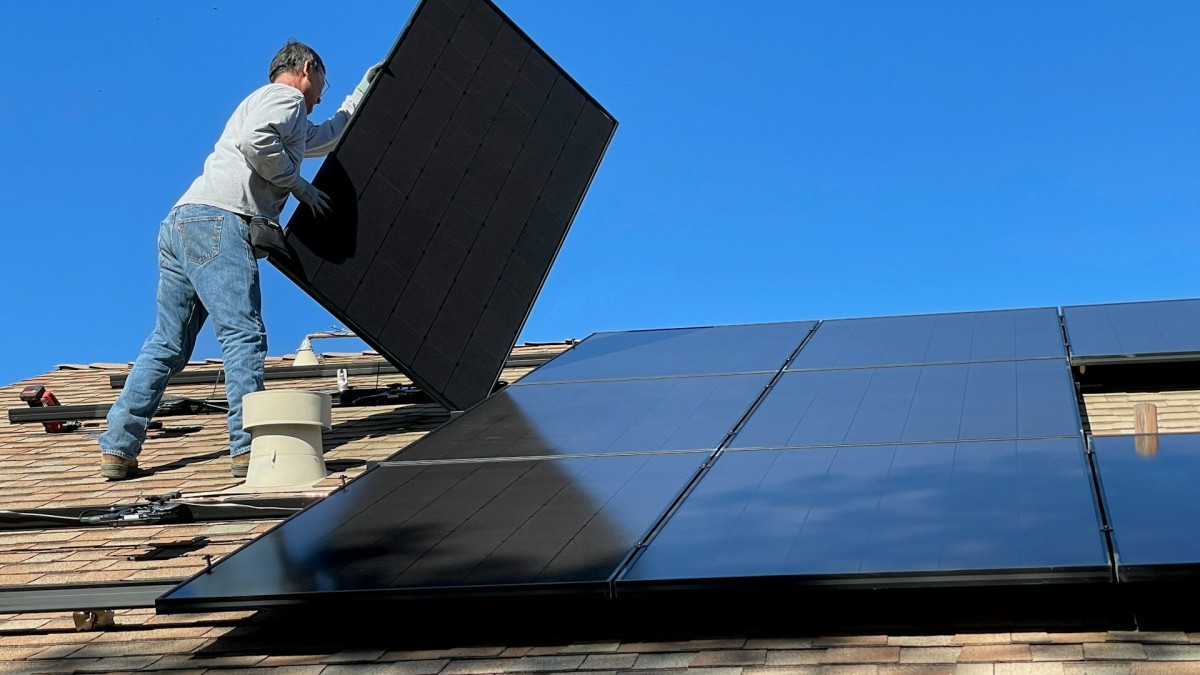
Solar power has emerged as the world’s fastest-growing energy source, surpassing all other forms of energy production in 2025. The sector has achieved this dominance through a dramatic reduction in costs, with solar panel prices declining 90 percent since 2010. This affordability has transformed solar from a niche technology into a globally competitive energy solution that no longer requires subsidies to expand.
The cost collapse stems from four interconnected factors, according to recent analysis. Early policy support from Germany and China in the early 2000s proved pivotal, as German subsidies created a European market for solar modules while Chinese manufacturers built factories to supply that demand. China now controls approximately 80 percent of global solar supply chains. This manufacturing capacity enabled widespread adoption across both developed and developing nations, with poorer countries increasingly representing a significant share of new installations. Nations with unreliable power grids or limited electricity infrastructure have adopted solar-plus-battery systems as affordable alternatives, with Pakistan becoming a particularly notable example of rapid residential solar adoption.
Beyond economics, solar power has become central to energy security strategies. Geopolitical tensions, including conflicts affecting global oil and gas markets, have prompted nations to pursue domestic renewable energy as a hedge against foreign supply disruptions. Solar generation cannot be embargoed or weaponized by adversaries, making it strategically valuable independent of climate considerations. This energy security dimension provides stable political backing for solar expansion across changing administrations.
Developing nations face particular pressure to transition directly to clean energy without passing through fossil fuel development stages. Solar technology now provides a viable pathway for leapfrogging to modern energy infrastructure. The combination of declining costs, proven technology, manufacturing capacity, and strategic security concerns has created self-reinforcing momentum for global solar adoption that appears to transcend traditional political cycles.
Article Attribution | Read More at Article Source
Article summary produced by Claude AI