

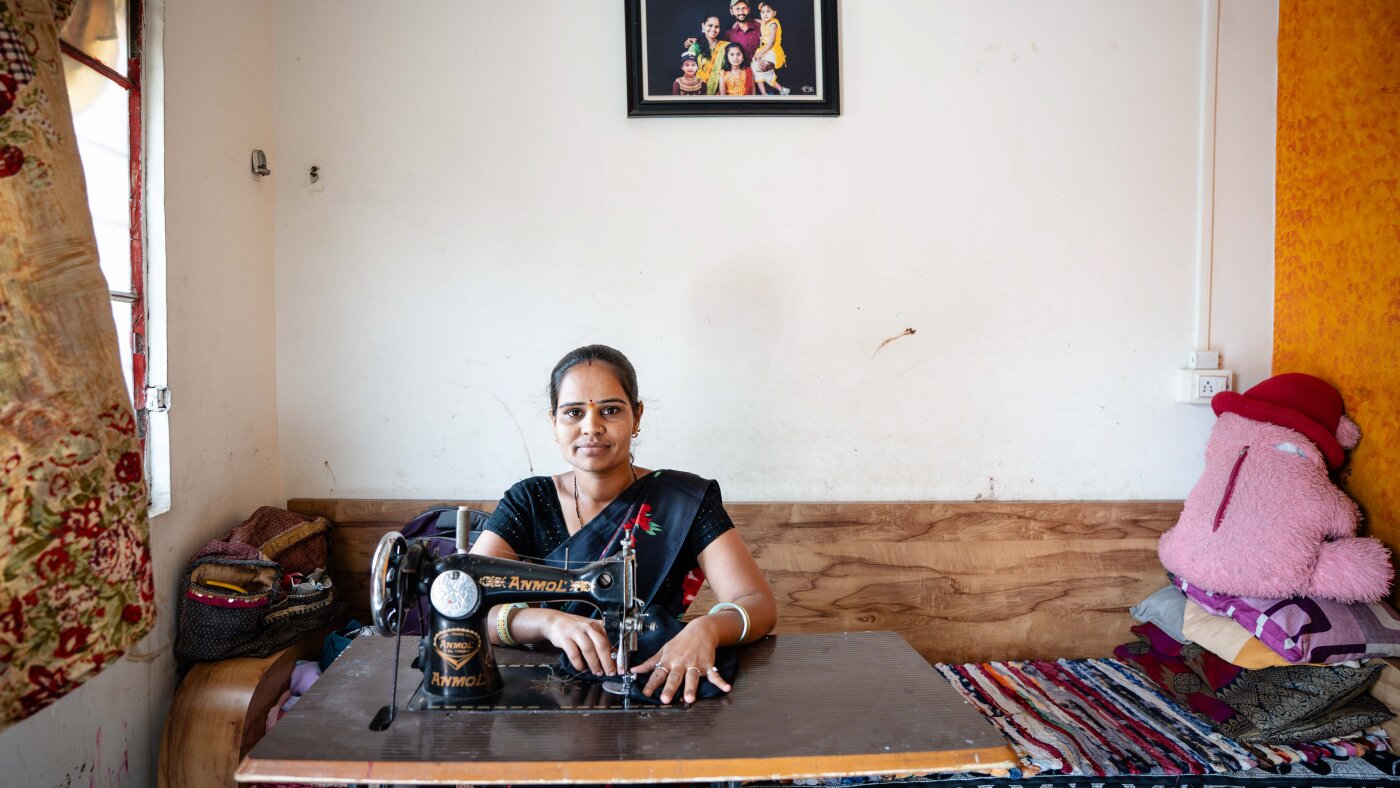
Residents of Sanjaynagar, a crowded slum in Maharashtra, India, are transitioning from one-room metal shacks into modern apartment units as part of a large-scale redevelopment initiative. The project, called the Sanjaynagar Redevelopment Project, represents a collaboration between local government, nonprofits, charitable donors, and families themselves. Participating families contribute roughly $1,000 toward the cost of a 300-square-foot apartment through low-interest housing loans, while the federal government’s housing scheme contributes $2,500 and philanthropic organizations cover additional expenses.
The newly constructed buildings feature individual apartments with living rooms, bedrooms, kitchens, bathrooms with running water, and balconies. Common areas include central courtyards with green spaces and community gathering areas. The architects employed sustainable building materials, including bricks made from crushed sand and ash residue, to provide natural insulation and maintain cooler indoor temperatures. The project has already gained international recognition, receiving the Silver award at this year’s World Habitat Awards for innovative and sustainable housing initiatives.
The redevelopment effort emerged from a 2016 conversation between a local nonprofit director and an architect who recognized that poor living conditions contributed to community problems including addiction, violence, and child labor. The initiative prioritized keeping residents within their original neighborhood rather than displacing them entirely, allowing families to maintain social networks and community bonds developed over years. Community representatives worked extensively with residents to build trust and explain project details, addressing concerns about temporary relocation during construction.
Residents reported significant quality-of-life improvements following the move. Enhanced privacy, better lighting, protection from monsoon flooding, and improved school performance among children were commonly cited benefits. Some families expanded their housing by obtaining separate units for grown sons without additional costs. The project faced initial skepticism from residents unfamiliar with such comprehensive interventions, but as early movers experienced positive changes, support grew. Government policy changes related to housing laws may cause some delays, though organizers expect the initiative to continue with greater cost-effectiveness and reduced dependence on external support.
Article Attribution | Read More at Article Source
Article summary produced by Claude AI