

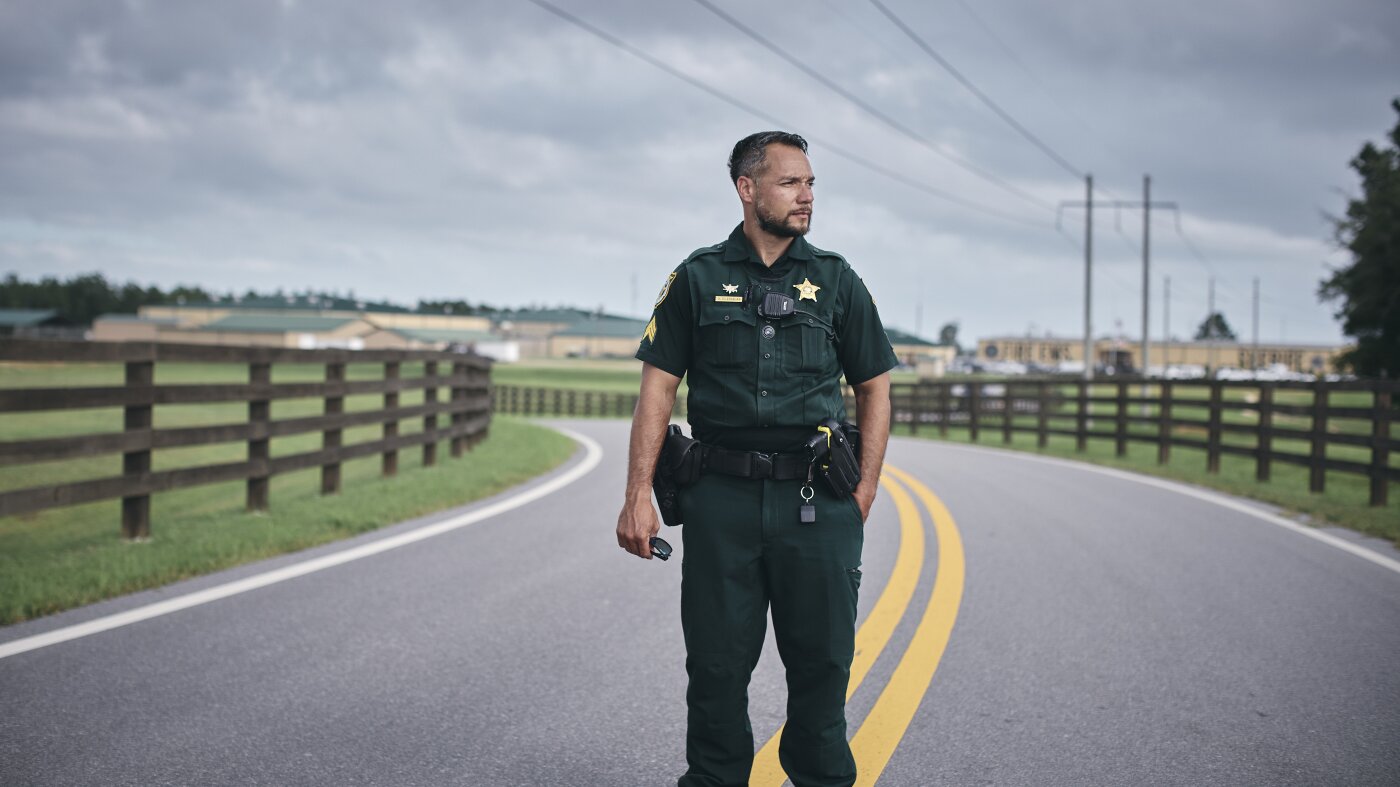
Walton County, Florida has become a focal point for the Trump administration’s use of the 287(g) program, a three-decade-old initiative that deputizes local law enforcement officers to enforce certain federal immigration laws. The sheriff’s office in this fast-growing Panhandle community recently certified officers, including Sergeant Oscar D’Lassalas, to perform immigration enforcement duties after completing 40 hours of online training. The administration has accelerated this certification process, condensing what previously required a monthlong in-person commitment, as part of efforts to expand participation in the program.
Under the task force agreement Walton County signed last year, deputized officers are authorized to interrogate individuals suspected of being in the country illegally, collect evidence, and make immigration arrests. Sheriff Michael Adkinson states the office’s focus remains narrow, emphasizing that officers only engage in immigration enforcement when they encounter individuals committing crimes or endangering others. However, the program has sparked controversy nationally. Civil rights organizations including the ACLU have filed lawsuits alleging racial profiling, noting that officers trained under the program may lack sufficient instruction to avoid targeting Latino citizens and lawful permanent residents based on accent or appearance.
Florida leads the nation in local law enforcement participation, with all 67 counties having signed cooperation agreements with Immigration and Customs Enforcement. Beyond the task force model, Walton County also operates a separate arrangement where approximately 48 jail beds serve as a 72-hour holding facility for immigrants awaiting federal pickup, generating $72 per inmate per day in federal reimbursement. The state has provided additional incentives, approving over $9 million in grants this summer for the sheriff’s office’s work as an ICE holding facility.
The expansion has created measurable effects on the county’s immigrant population. Construction workers report heightened fear of law enforcement encounters, leading some to abandon activities like attending church or visiting the beach. This apprehension has begun impacting the local construction industry, which heavily depends on immigrant labor to meet housing demand in this rapidly developing region. Sheriff Adkinson has acknowledged another consequence: immigrant crime victims increasingly avoid reporting crimes due to deportation fears, complicating law enforcement’s ability to build community trust and investigate criminal activity effectively.
Article Attribution | Read More at Article Source
Article summary produced by Claude AI