

The International Energy Agency reports that Southeast Asian nations face significant infrastructure challenges as they pursue ambitious renewable energy and decarbonization goals. The region, home to 9 percent of the global population but accounting for less than 5 percent of GDP, is expected to drive nearly 20 percent of worldwide energy demand growth through 2035 under current policy frameworks. To meet this demand while reducing fossil fuel reliance, eight countries in the region have committed to economy-wide net-zero targets.
Renewable energy capacity in Southeast Asia reached 120 GW in 2024 and is projected to nearly triple by 2035 under existing policies, or potentially increase fivefold if announced climate commitments are fully implemented. Investment in green energy over the past decade has already generated substantial savings, reducing regional fossil fuel import costs by approximately $30 billion in 2025. However, this progress is being constrained by outdated and inadequate electricity transmission networks that cannot efficiently distribute the growing supply of renewable power.
The IEA estimates that annual investment in grid infrastructure and energy storage must increase from current levels of $13 billion to $50 billion by 2050 to support announced renewable targets. Additionally, transmission and distribution networks must more than double in length to accommodate rising demand and manage the natural variability of renewable sources. This includes an estimated $27 billion in cross-border interconnection projects under the ASEAN Power Grid framework.
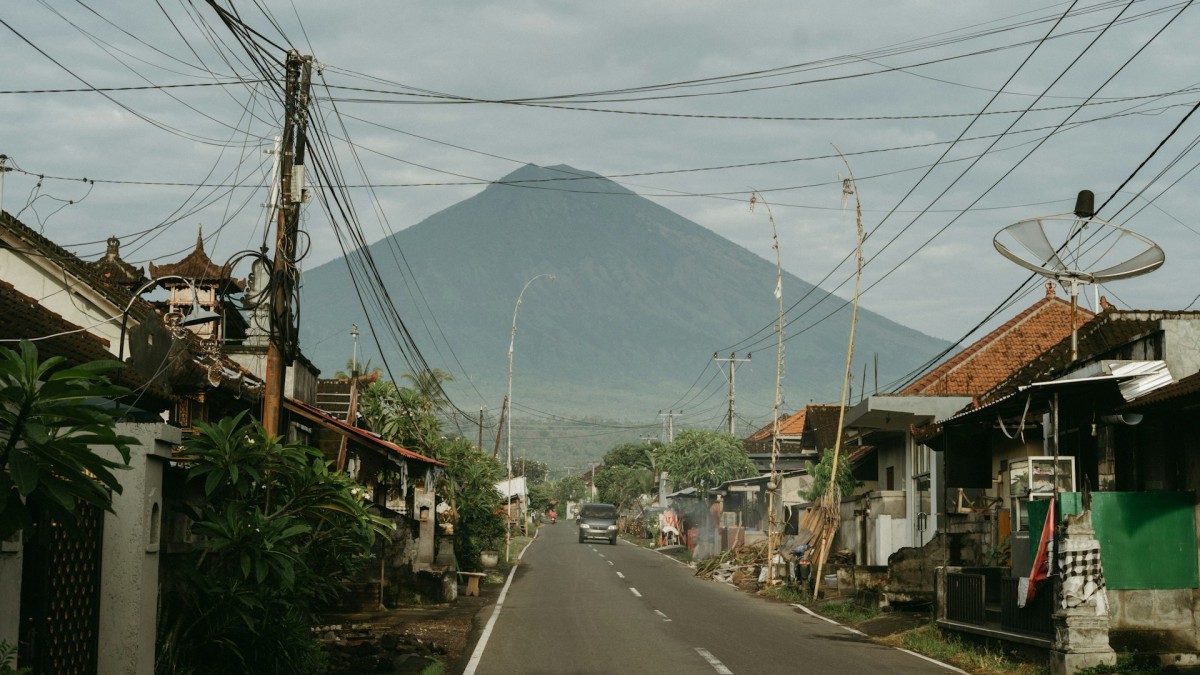
Country-specific challenges underscore the urgency of this infrastructure transformation. Indonesia, despite investing over $3 billion in transmission system upgrades in 2022, fell short of historical spending levels and must significantly accelerate investment to meet its carbon neutrality goal. India is experiencing transmission constraints that caused nearly two-thirds of renewable energy curtailment in the first quarter of 2026, totaling 300 GWh, while delivering only 80 percent of its annual transmission infrastructure targets. Vietnam has seen provinces forced to curtail renewable generation due to insufficient distribution capacity, prompting regulatory reforms to attract grid investment.
Experts emphasize that addressing these infrastructure gaps requires coordinated action across multiple dimensions, including physical network expansion, energy storage development, digital system management capabilities, and regional grid interconnections. Without substantial and sustained investment in transmission infrastructure, Southeast Asia risks creating a bottleneck that could undermine the economic viability of renewable energy projects and jeopardize the region’s clean energy transition objectives.
Article Attribution | Read More at Article Source
Article summary produced by Claude AI