

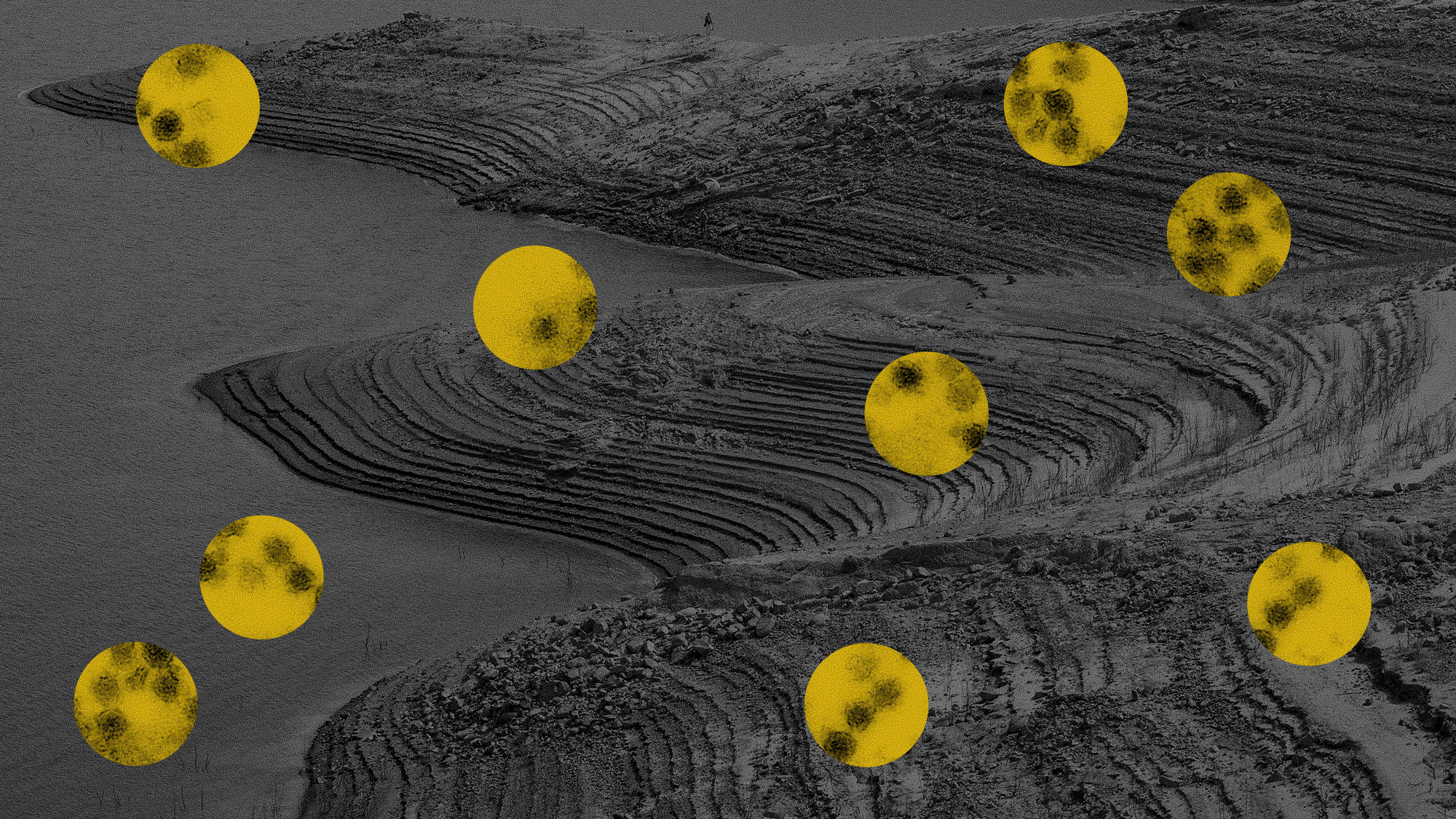
Global drought conditions have intensified in recent years, with major water systems reaching historically low levels across multiple continents. Emerging research published in the journal Trends in Ecology and Evolution examines how these drought conditions affect the spread of infectious diseases across animal populations, from humans to mammals, fish, amphibians, and insects.
The relationship between drought and disease transmission proves more complex than initially expected. While some water-dependent pathogens such as schistosomiasis and malaria decline during dry periods, others including cholera, West Nile virus, and dengue flourish in drought conditions—a phenomenon scientists term the “drought-disease paradox.” This counterintuitive pattern has prompted researchers to investigate mechanisms that allow certain pathogens to spread more effectively when water becomes scarce.
Drought affects disease transmission primarily through changes in animal movement and behavior. When water sources diminish, animals concentrate around remaining pools, increasing parasite transmission through contaminated waste products and closer contact between infected and susceptible organisms. For example, birds carrying West Nile virus encounter mosquito populations more frequently at limited water sources, amplifying disease spread. Additionally, reduced water volume can alter chemical properties such as temperature, salinity, and oxygen levels, creating environments where certain dangerous microorganisms and algae flourish while others cannot survive.
Climate patterns compound these effects. The combination of intense droughts followed by heavy precipitation—increasingly common as the planet warms—can intensify disease outbreaks. The fungus causing valley fever exemplifies this dynamic, thriving during wet periods and spreading as airborne dust during subsequent dry seasons. Recent disease outbreaks tied to drought conditions include thousands of excess valley fever cases in California during the 2000s and nearly 80,000 cholera cases in Somalia following a drought.
Research in this field remains relatively young but expanding rapidly. Scientists increasingly recognize that understanding drought’s role in disease transmission, alongside temperature effects, will improve disease prediction and help communities prepare for emerging public health threats in a warming climate.
Article Attribution | Read More at Article Source
Article summary produced by Claude AI