

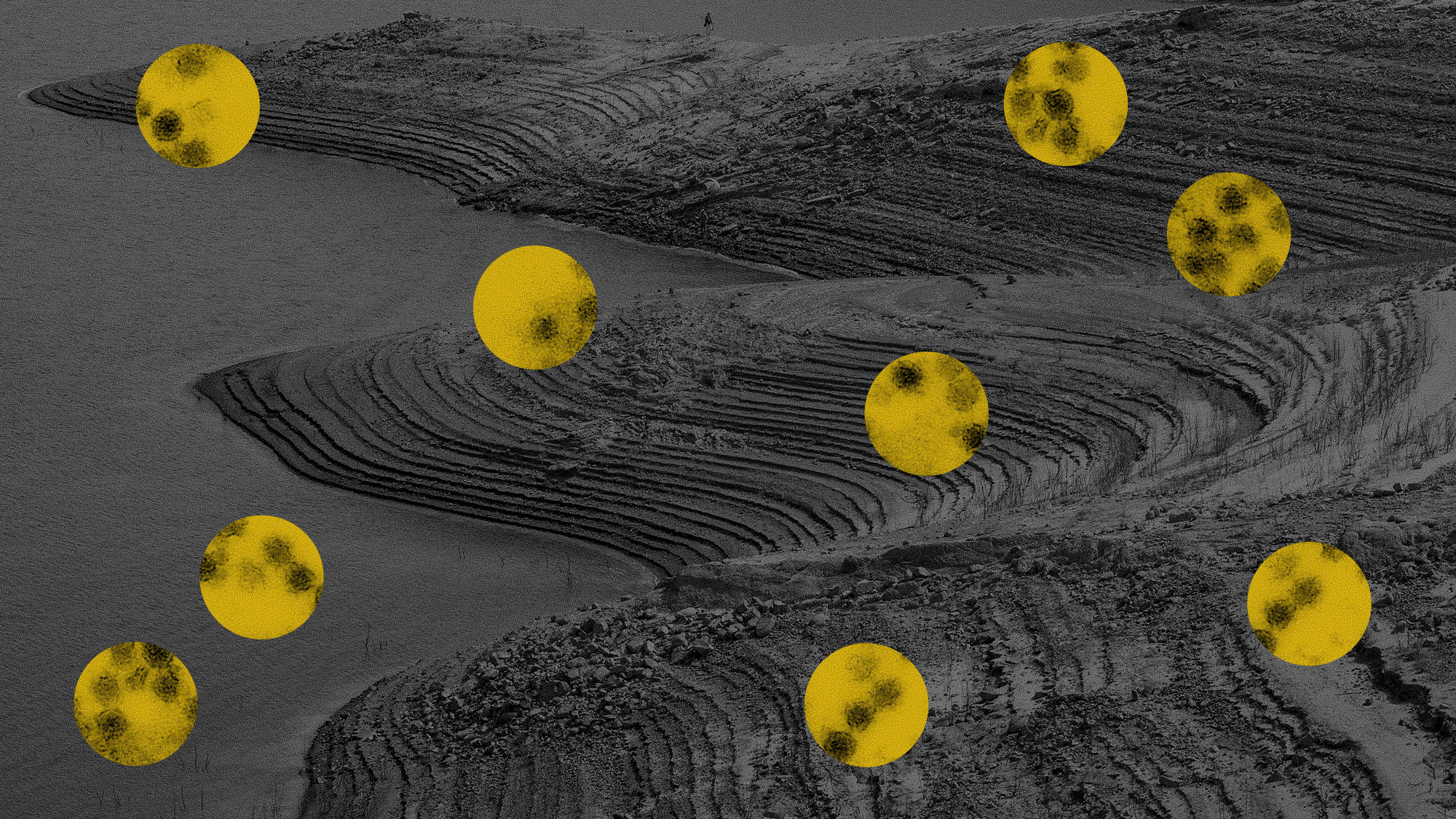
Global water scarcity has reached historically low levels in multiple regions, with major rivers declining and reservoirs diminishing. Emerging research now documents an unexpected consequence of drought: certain infectious diseases are flourishing even as water availability decreases. A new analysis examining nearly 100 scientific studies across animal populations reveals what researchers term the “drought-disease paradox,” in which some pathogens thrive during dry conditions rather than subsiding.
While many traditional water-borne diseases like schistosomiasis decline when water sources disappear, others including cholera, West Nile virus, and dengue have demonstrated increased transmission during drought periods. Aquatic disease ecologists at major research institutions have begun systematically documenting this counterintuitive relationship. Recent examples include drought-related cholera outbreaks affecting tens of thousands and increased West Nile virus cases following periods of reduced precipitation. The mechanisms driving disease spread during water scarcity involve behavioral changes in animal populations and environmental transformations that favor pathogen survival.
Drought alters disease transmission primarily through animal congregation patterns. When water sources diminish, wildlife concentrates around remaining pools, creating crowded conditions where parasites and pathogens spread more readily. Additionally, reduced water bodies can become warmer and more chemically altered, potentially creating favorable conditions for certain dangerous microorganisms. Conversely, some pathogens cannot survive in increasingly saline or oxygen-depleted water created by extreme drought conditions.
Climate change intensifies these dynamics through multiple pathways. Rising temperatures increase atmospheric water demand, prolonging and intensifying drought periods globally. Researchers also identify “weather whiplash” phenomena, where alternating wet and dry periods accelerate disease cycles. Valley fever, transmitted through wind-borne dust after wet periods followed by drying, exemplifies this pattern. As climate change continues reshaping water distribution patterns, scientists emphasize that understanding drought-disease relationships will be crucial for predicting and managing future infectious disease outbreaks.
Article Attribution | Read More at Article Source
Article summary produced by Claude AI