

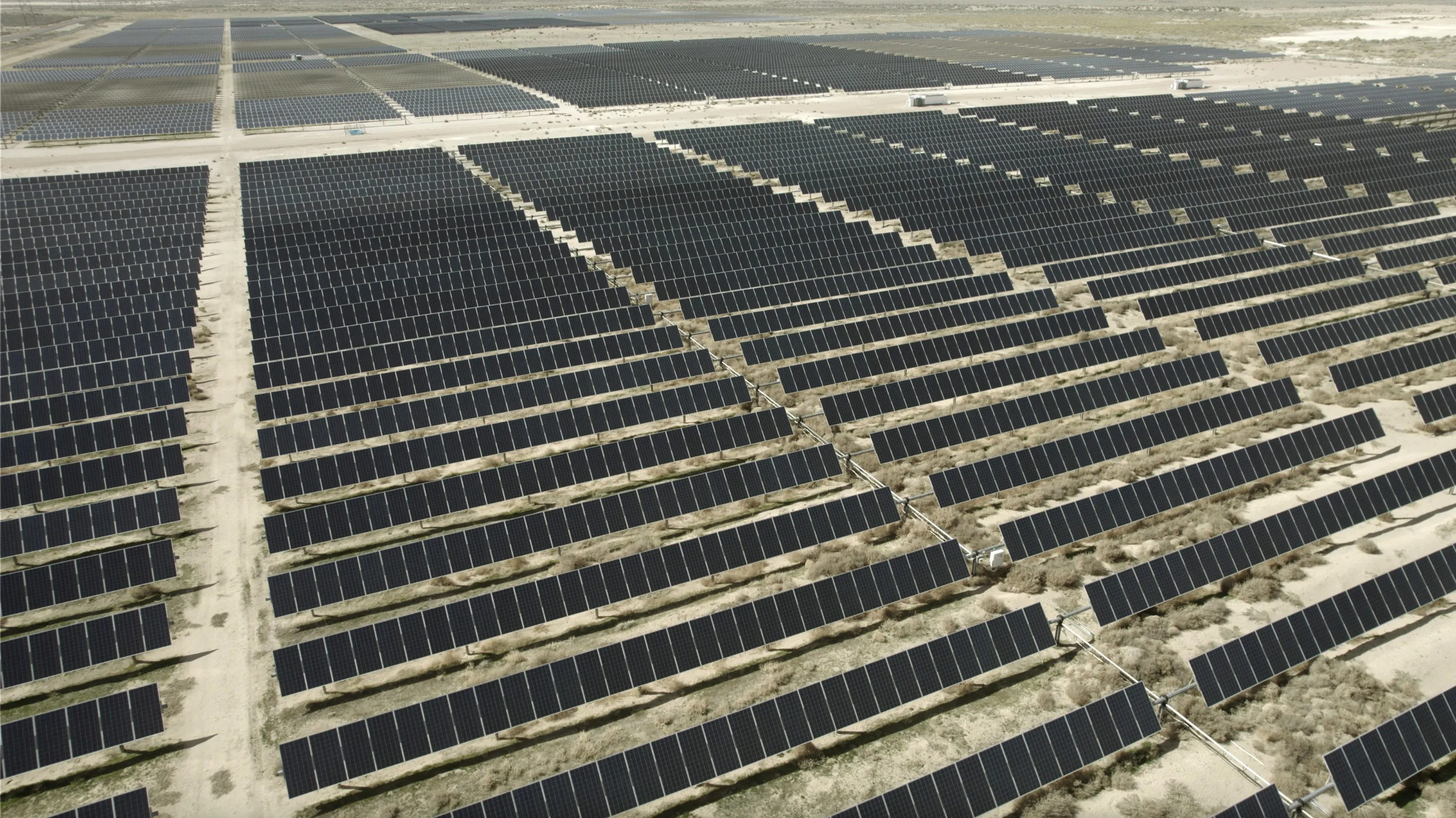
Utah achieved a milestone in May 2026 when solar power became the state’s primary source of electricity generation for the first time. Photovoltaic panels produced nearly one terawatt hour that month, representing approximately one-third of all electricity generated in the state, followed by natural gas at 32 percent, coal at 28 percent, and wind at 2 percent.
The shift reflects years of steady growth in solar capacity driven by several large-scale projects coming online. The Green River Energy Center, which began operating in spring 2026, contributed 400 megawatts of solar generation capacity. The Faraday Solar project in Utah County started supplying up to 685 megawatts to serve a Meta data center, while the Elektron Solar Project began operations in June 2024. This expansion has created significant economic activity, with nearly 8,000 solar jobs supported in Utah and $1.5 billion invested in the state’s solar market in 2025. The sector encompasses 132 solar companies, dwarfing employment in oil and gas extraction and coal mining combined.
The growth of renewable energy extends beyond solar in the region. Wind power surpassed other generation sources in the portfolio of PacifiCorp, which serves Utah, Wyoming, and Idaho, during December and January for the first time. Wind and solar generation complement each other seasonally, with wind production peaking in winter months while solar output peaks in summer. Experts note that combined renewable capacity with battery storage increasingly provides cost-competitive and reliable electricity generation without exposure to fossil fuel price volatility.
However, federal policy shifts present challenges to future renewable development. The Trump administration is phasing out tax incentives for wind and solar projects, prompting PacifiCorp to abandon plans for additional renewable projects in its next two-decade planning cycle. Company officials indicated the decision reflects current economic calculations but suggested policy changes could reverse the approach. Renewable energy advocates have criticized the utilities’ pivot away from renewable expansion.
Article Attribution | Read More at Article Source
Article summary produced by Claude AI