

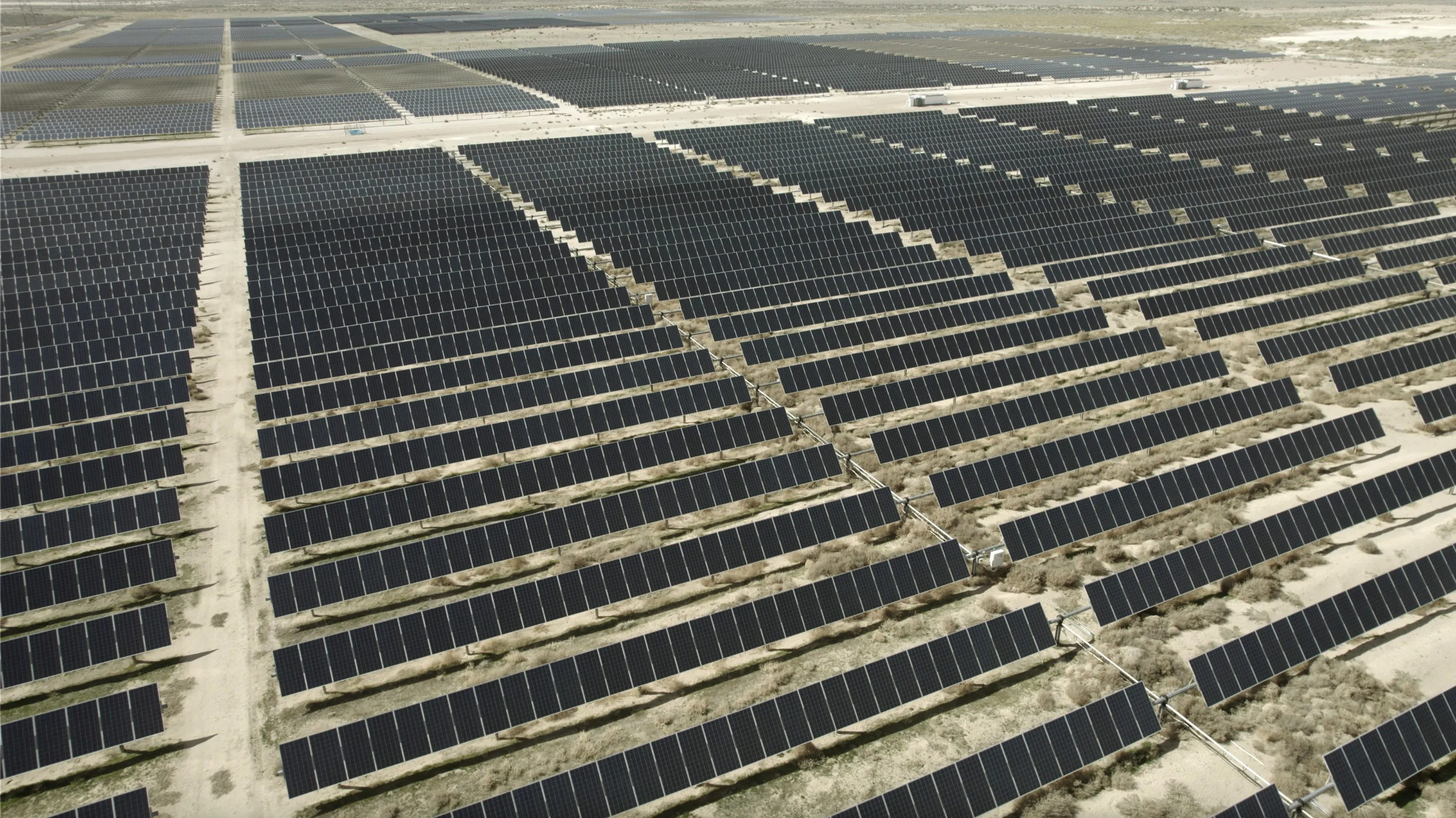
Utah achieved a historic milestone when solar photovoltaic panels generated nearly one terawatt hour of electricity in May 2026, accounting for approximately one-third of the state’s total power output that month. This marked the first time solar generation exceeded all other electricity sources in the state. Natural gas followed at 32 percent of generation, coal at 28 percent, and wind at 2 percent, according to data from Ember, a global energy research organization.
The surge in solar capacity reflects major infrastructure developments in recent years. The Green River Energy Center, a 2,500-acre facility, became operational earlier this year with 400 megawatts of solar generation capacity and matching battery storage. The Faraday Solar project in Utah County began providing up to 685 megawatts to support a Meta data center, while the Elektron Solar Project, an 80-megawatt photovoltaic installation, commenced operations in June 2024. The solar industry has generated substantial economic activity, supporting nearly 8,000 jobs across 132 solar companies in the state, with $1.5 billion in investor commitments during 2025 alone.
Utah’s energy transformation represents a dramatic reversal from previous years. In 2017, coal supplied between 64 and 78 percent of the state’s electricity depending on the month. By 2023, coal’s share dropped below half during certain periods, and by spring of this year it accounted for less than one-third. Energy analysts note the state’s sunny, dry climate provides substantial opportunity for continued solar expansion, with California’s 51 percent solar generation in May serving as a potential benchmark for future growth.
Complementing the solar surge, wind power has also experienced significant momentum. Wind generation exceeded all other sources in the regional portfolio of PacifiCorp, which serves Utah, Wyoming, and Idaho, during December and January for the first time. The complementary seasonal patterns of wind and solar generation, with winter strength in wind and summer strength in solar, create favorable conditions for renewable energy integration. However, federal policy changes have introduced uncertainty, with PacifiCorp announcing plans to abandon new wind and solar projects in the coming decades, citing current financial considerations and changing federal incentive structures.
Article Attribution | Read More at Article Source
Article summary produced by Claude AI