

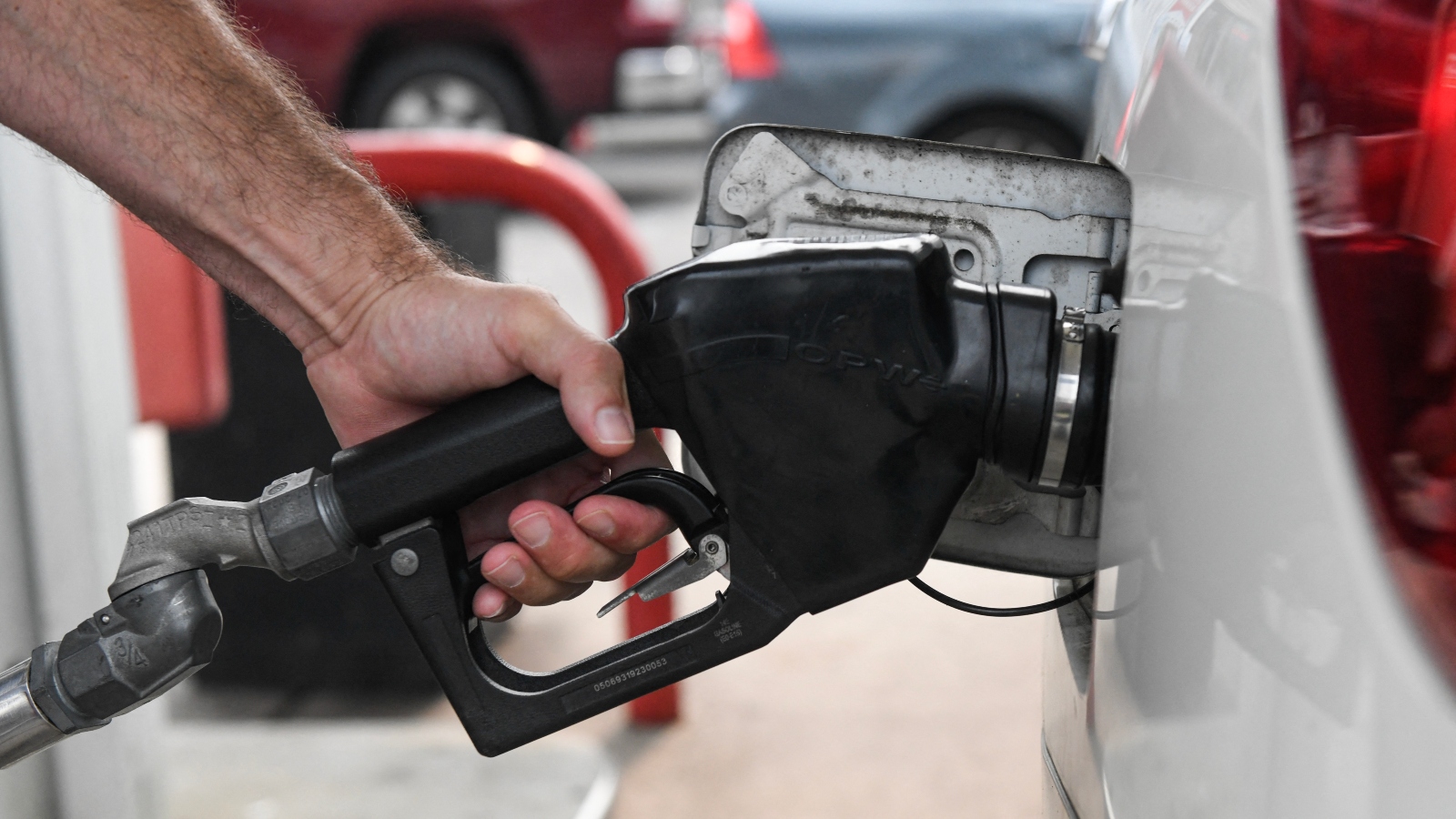
Michigan’s competitive midterm elections are being shaped significantly by energy affordability concerns following substantial price increases since late February. Gas prices in Michigan spiked approximately 32 percent in three weeks after conflict with Iran began, climbing from $2.99 to $3.95 per gallon, with an additional 90-cent jump occurring in a single week. Governor Gretchen Whitmer declared a formal energy emergency to permit the sale of cheaper summer-blend fuel, though prices remained elevated throughout the spring and early summer months.
Political positioning on energy policy has become a defining battleground across multiple races. A Climate Power survey of 600 likely Michigan voters conducted in mid-June found that 42 percent of respondents, including 44 percent of independents, would be less likely to support congressional candidates backing Trump administration energy policies, compared to 21 percent who would be more likely. Additionally, 58 percent of survey respondents attributed higher energy prices to Trump policies, and 63 percent rejected the characterization that high gas prices represent a justified cost of foreign policy.
Democratic candidates have linked affordability to clean energy expansion, arguing that renewable sources will reduce long-term costs, while Republican candidates contend that renewable energy mandates themselves drive up prices. The Trump administration’s rollback of clean energy initiatives has produced measurable economic consequences, including the loss of $4.1 billion in planned clean manufacturing investment, approximately 11,700 jobs, and $540 million in climate grants. Michigan’s 2023 Clean Energy and Jobs Act, requiring 100 percent renewable electricity by 2040, faces potential repeal through “Project Lighthouse” legislation passed by House Republicans, though the Democratic-controlled Senate has blocked it so far.
Utility rate increases have intensified voter frustration, with Michigan residents paying among the highest residential electricity and gas rates nationally. More than 150 Michigan politicians from both parties have pledged to reject campaign contributions from major utilities Consumers Energy and DTE, reflecting widespread dissatisfaction. The November elections will influence how integrated resource plans submitted by utilities in 2026 are evaluated under the state’s clean energy requirements.
Article Attribution | Read More at Article Source
Article summary produced by Claude AI