

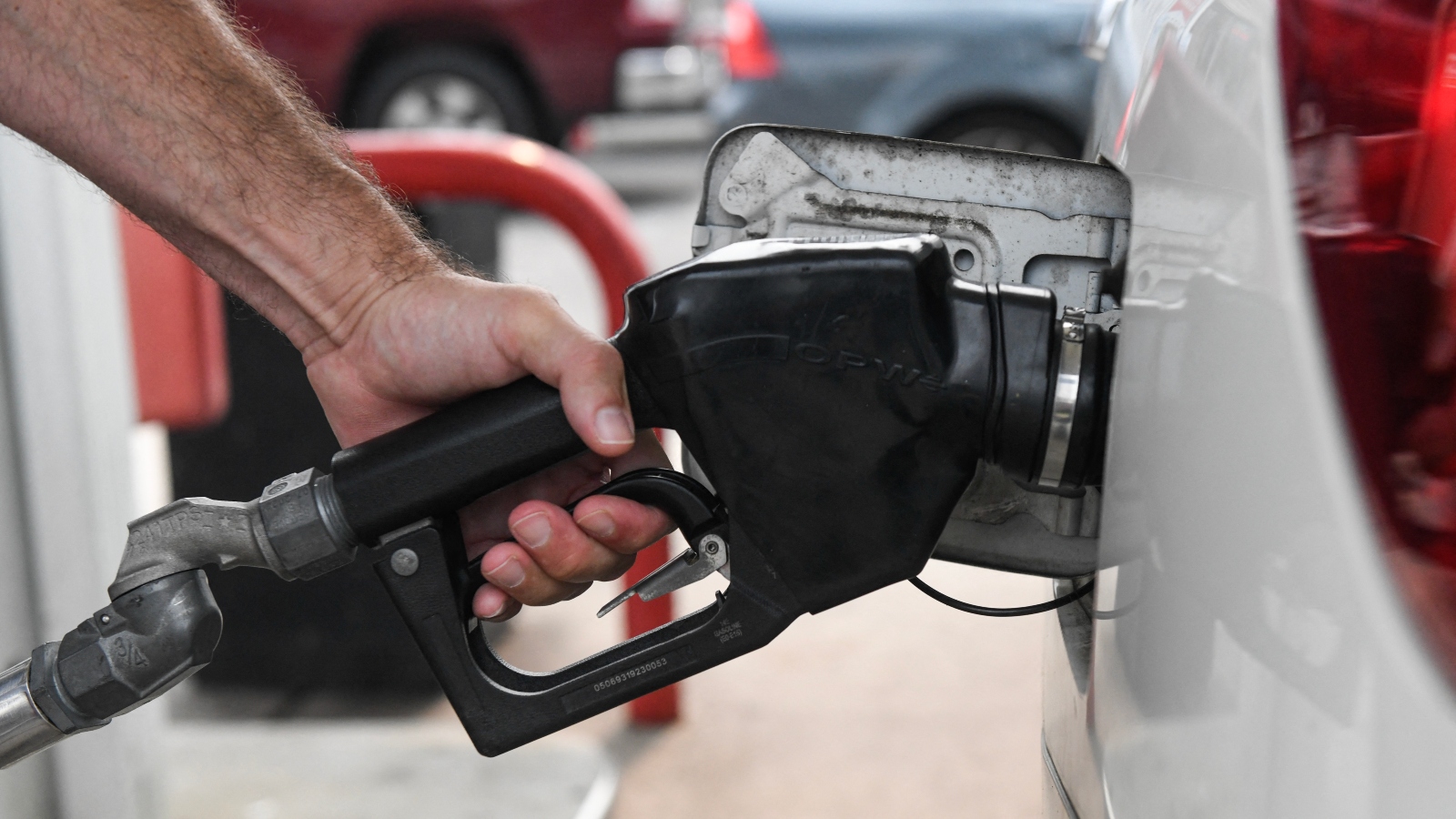
Energy costs have become a central issue in Michigan’s midterm elections following significant price increases in late February. After conflict with Iran broke out, gasoline prices in Michigan jumped approximately 32 percent within three weeks, rising from $2.99 to $3.95 per gallon. Governor Gretchen Whitmer declared a formal energy emergency and authorized the sale of cheaper summer-blend fuel at southeast Michigan stations, citing both the geopolitical situation and tariffs as contributing factors. Prices continued climbing, with one week seeing a 90-cent increase before moderating in subsequent months.
The energy affordability issue has reshaped the political landscape across the state. In a Climate Power survey of 600 likely voters conducted in mid-June, 42 percent of respondents said they would be less likely to vote for a congressional candidate supporting Trump’s energy policies, compared to 21 percent who said they would be more likely. Additionally, 58 percent of surveyed voters attributed rising energy prices to Trump’s policies, and 63 percent rejected his characterization of high gas prices as an acceptable consequence of foreign conflict. Republican Representative Tom Barrett’s competitive seat in Michigan’s 7th Congressional District faces increased vulnerability, while a Democrat’s strong performance in a special state Senate election in May suggests shifting voter sentiment.
The political messaging diverges sharply on energy solutions. Democratic candidates in the state Senate primary have tied affordability concerns to clean energy investments, arguing that renewables can lower long-term costs. Republicans counter that renewable energy mandates themselves drive up prices. Michigan’s 2023 Clean Energy and Jobs Act established a goal of 100 percent renewable electricity by 2040, but House Republicans last month advanced legislation to repeal the clean energy mandates, with sponsors arguing the requirements are arbitrary.
Trump-era policy rollbacks have created measurable economic consequences for the state. Michigan lost $4.1 billion in planned clean manufacturing investment and approximately 11,700 jobs following federal clean energy tax credit reductions. Additionally, $540 million in climate grants were canceled or delayed, including $156 million designated to help low-income residents install solar panels. The administration also ordered continued operation of the J.H. Campbell coal plant beyond its planned retirement date, a decision state officials contend will increase ratepayer costs compared to transitioning away from coal.
Utility rate increases have become a galvanizing issue across traditional political divisions. More than 150 Michigan politicians from both parties have pledged to reject campaign contributions from Consumers Energy and DTE Energy, the state’s largest utilities, in response to voter frustration over rising bills. The utilities themselves face scrutiny over rate hike requests and their role in shaping state energy policy, with data center development emerging as a particular flashpoint where economic development interests conflict with environmental and affordability concerns.
Article Attribution | Read More at Article Source
Article summary produced by Claude AI