

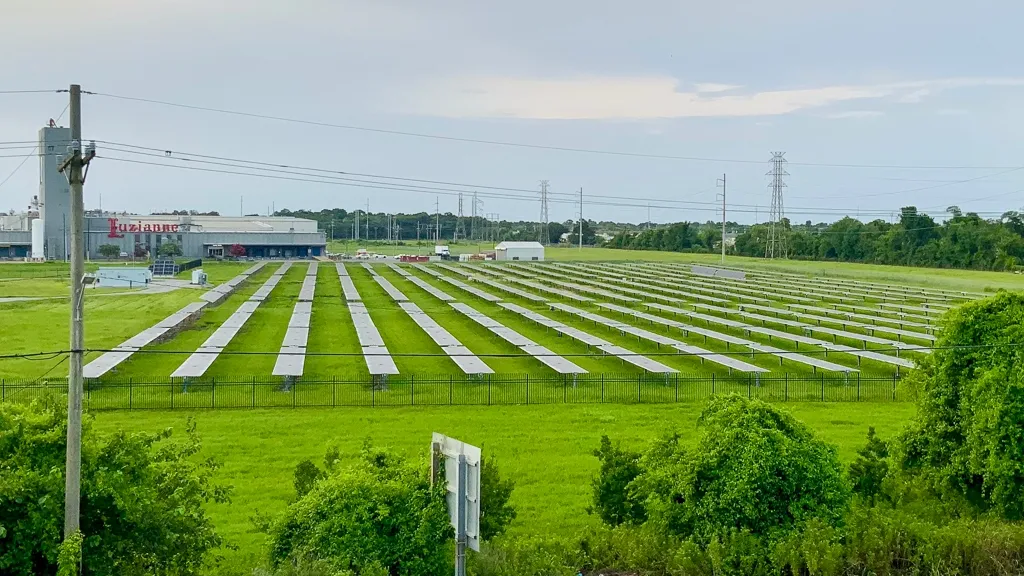
Iberia Parish in Louisiana has become a focal point in the nationwide struggle between solar energy expansion and community opposition rooted in unfounded health and environmental fears. Local residents have expressed concerns ranging from toxic smoke and cancer-causing chemicals to artificially induced tornadoes and soil contamination. However, experts and researchers have found these dangers to be largely imaginary, with scientific evidence demonstrating that modern solar installations pose no harmful emissions, soil contamination, or fire hazards.
The conflict came to a head when residents successfully opposed a proposed utility-scale solar project called Acadiana Solar. The campaign included public council meetings where opponents expressed deep concerns about panel degradation and chemical leaching. In response, the parish council passed ordinances establishing setback requirements of half a mile from residential properties—among the most restrictive in the state. These measures appear to have effectively prevented the $175 million Acadiana Solar project from moving forward, despite potential tax revenue benefits that could have supported local schools and infrastructure.
Misinformation has proliferated through organized social media campaigns, particularly a 1,200-member Facebook group titled “NO Industrial/Utility solar in Iberia Parish.” Analysis by threat intelligence company Alethea revealed that AI-generated content, including identical graphics tailored to different states with locally relevant messaging, has been strategically distributed across anti-solar networks. These posts claim that solar panels are toxic, contaminate soil and water, and pose fire hazards. Some members of the network are reportedly being trained to spread anti-solar messages across multiple websites.
Scientific research from the University of Louisiana-Lafayette has consistently refuted these claims, finding no harmful emissions from solar plants and confirming that solar infrastructure withstands severe weather events including hurricanes. Some historical concerns about property value impacts and panel abandonment have been addressed through improved design standards and state-mandated decommissioning plans. Meanwhile, solar projects operating elsewhere in Louisiana have generated substantial tax revenue, with the Oxbow solar facility projected to produce $9.7 million in local tax revenue within three years.
The situation reflects broader tensions in rural communities with declining fossil fuel industries. While oil and gas employment has decreased significantly, solar development offers alternative economic opportunities. Notably, First Solar recently opened a $1 billion panel manufacturing facility in Iberia Parish itself, creating hundreds of local jobs. As solar technology becomes increasingly affordable and efficient, analysts predict continued expansion regardless of local opposition, raising questions about whether Louisiana will benefit from this growth or see projects relocate to neighboring states.
Article Attribution | Read More at Article Source
Article summary produced by Claude AI