

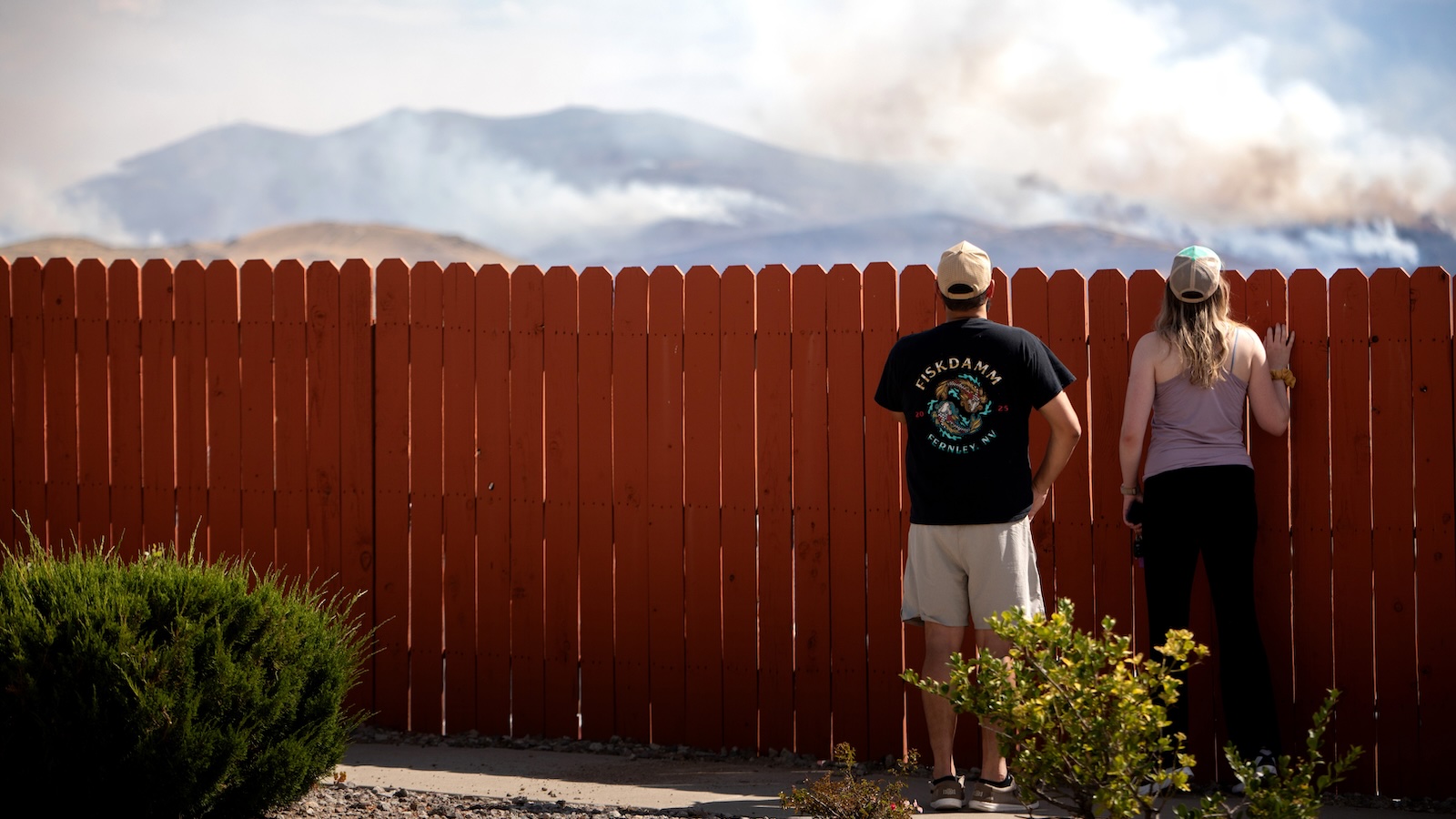
A major wildfire near Reno, Nevada swept across the landscape in August, destroying dozens of homes and forcing approximately 90,000 residents to evacuate. The Hawk Fire spread more than 23 miles in just days, blanketed the area in smoke, and shut down a major highway. The incident follows the Bug Fire, which burned 150 square miles in the same region two weeks prior. These events are part of a broader pattern: more than 7.9 million acres have burned across the United States this year, while Canada has experienced over 5,100 fires. Scientists attribute the increase in severity partly to climate change, which has made such blazes significantly more probable. Contributing factors this year included record-low winter snowfall that reduced soil moisture and extended heat waves.
A critical factor in the escalating danger is suburban expansion into naturally fire-prone areas. The wildland-urban interface, or WUI, describes neighborhoods situated between developed urban centers and forests or grasslands. More than one-third of all homes in the continental United States now occupy such areas. Research dating to the 1980s has flagged the fire risk in these zones, and a recent study found that housing expansion combined with climate change quadrupled the risk of destructive wildfires in California. Reno itself is the fastest-warming city in the United States, and its population has grown 26 percent over the past 15 years to exceed 283,000 residents.
People are drawn to these areas by affordable housing, fewer zoning restrictions, abundant outdoor recreation, and scenic views. However, the infrastructure in these communities poses evacuation challenges. Roads are frequently narrow with limited exit routes, creating bottlenecks during emergencies. Recent evacuation attempts in Spokane and other affected areas resulted in hours-long traffic jams as residents fled simultaneously. Additionally, fires in suburban areas produce more toxic smoke than wildfires in remote regions, as the burning of vehicles and synthetic materials creates hazardous compounds. Studies indicate that the Los Angeles fires exposed millions to chromium-6, a carcinogenic metal.
Respectively, authorities emphasize that most wildfires are human-caused and encourage early evacuation before mandatory orders to prevent gridlock and preserve firefighting resources. Some states have implemented stricter safety requirements compelling homeowners in fire-prone zones to clear vegetation around properties.
Article Attribution | Read More at Article Source
Article summary produced by Claude AI