

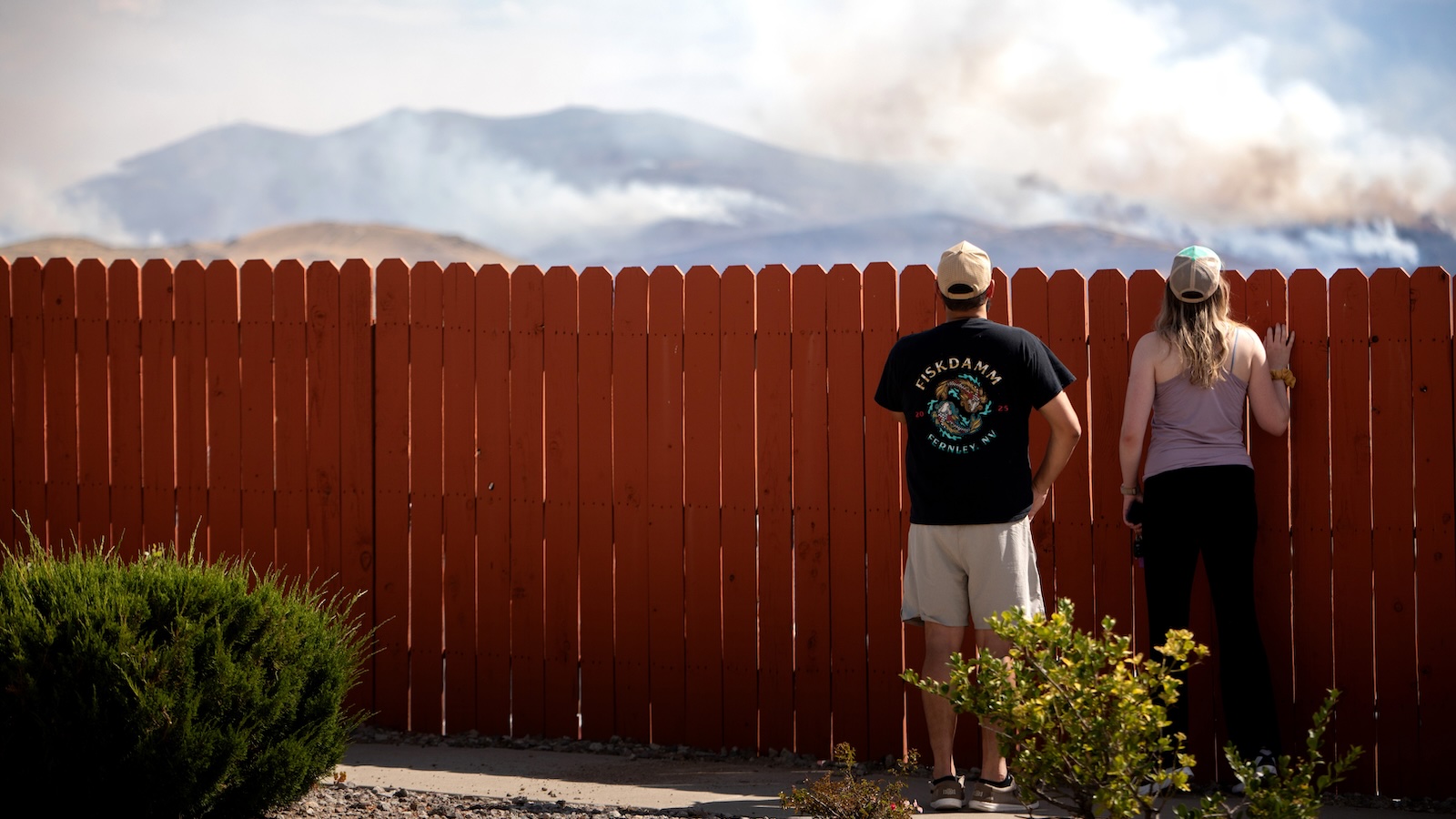
A major wildfire that began on August 22 near Reno, Nevada, demonstrated the escalating risks facing suburban communities in fire-prone regions. The Hawk Fire spread rapidly across more than 23 miles in just days, forcing approximately 90,000 residents to evacuate from the Somersett area and destroying dozens of homes. The incident followed another significant blaze, the Bug Fire, which burned 150 square miles in the same region earlier in the month.
Wildfire activity has intensified significantly across North America. More than 7.9 million acres have burned in the United States this year, while Canada has experienced over 5,100 fires. Scientists attribute the increased frequency and severity of these fires to climate change, with this year’s western fires exacerbated by record-low winter snowfall and prolonged heat waves that left landscapes exceptionally dry.
A critical factor amplifying wildfire danger is the expansion of housing into the wildland-urban interface, areas where suburban development meets forests and grasslands. More than one-third of homes in the continental United States now occupy these zones. Research published in a Nature journal found that the combination of suburban expansion and climate change has quadrupled the risk of destructive wildfires in California. Recent examples include the January 2025 Eaton and Palisades fires near Los Angeles, which displaced over 200,000 people, and three large wildfires that struck suburban Spokane, Washington.
Evacuations from these areas present additional hazards. Road networks in these communities are often narrow with limited exit routes, creating severe traffic congestion during mass evacuations. Past incidents, including the 2018 Camp Fire in Paradise, California, and recent Spokane evacuations, resulted in hour-long delays on roads designed for normal traffic flow. Officials emphasize that early voluntary evacuation can reduce gridlock and allow firefighting resources to focus on suppressing flames.
Health concerns extend beyond immediate fire danger. Smoke from wildfires burning suburban infrastructure, including vehicles and synthetic materials, produces particularly toxic emissions. Research indicates that millions of people were exposed to dangerous levels of chromium-6, a carcinogenic metal, during recent Los Angeles fires. Scientists project that wildfire smoke could kill approximately 70,000 Americans annually by 2050 as global temperatures continue rising.
Article Attribution | Read More at Article Source
Article summary produced by Claude AI