

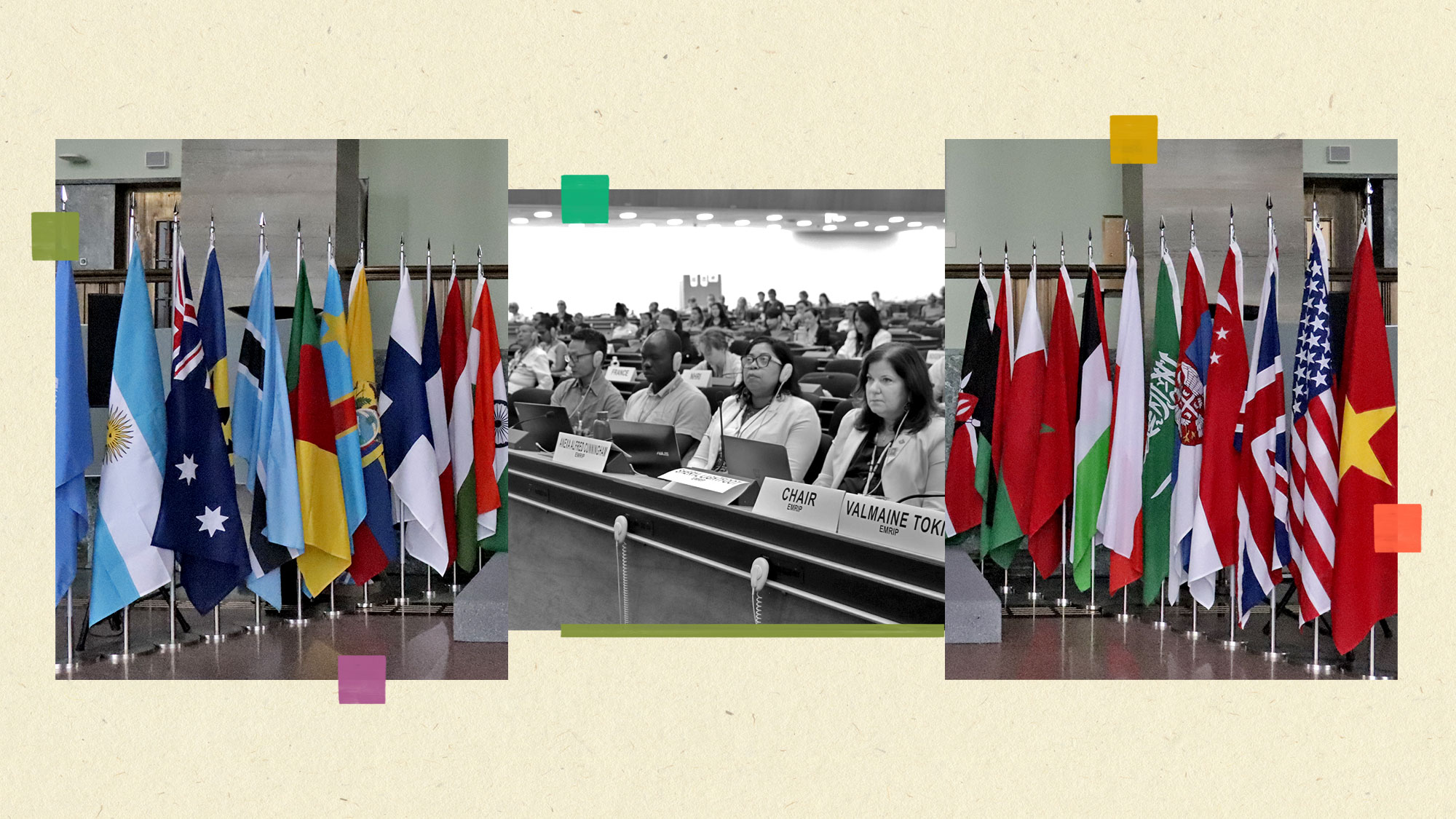
Indigenous representatives who serve on the United Nations Expert Mechanism on the Rights of Indigenous Peoples finalized a comprehensive proposal for presentation to the U.N. Human Rights Council. The 12-point plan addresses what Indigenous leaders describe as urgent and interconnected crises affecting their communities, including climate change impacts, violence, and emerging threats from artificial intelligence.
The recommendations call for broader protections of Indigenous cultures, languages, and data sovereignty, as well as strengthened legal recognition of Indigenous rights distinct from general human rights frameworks. The proposal emphasizes the need for fuller implementation of the U.N. Declaration on the Rights of Indigenous Peoples and seeks increased Indigenous participation within the Human Rights Council itself. Additional recommendations focus on safeguarding remote Indigenous peoples living in voluntary isolation and promoting greater autonomy for Indigenous women and girls in decision-making processes that affect their communities.
UN officials and observers highlighted concerning global trends regarding Indigenous protections. The special rapporteur on Indigenous peoples noted what he characterized as widespread stagnation and regression in human rights protections, with few nations adopting new measures and some actively dismantling existing legal frameworks that previously provided safeguards.
The advancement of these priorities faces significant obstacles, as three U.N. bodies focused on Indigenous issues—including EMRIP—confront severe financial constraints. Funding mechanisms like the U.N. Voluntary Fund for Indigenous Peoples operate with minimal resources, currently drawing support from only eight countries with a budget under $2 million. This funding crisis limits the ability of Indigenous representatives to participate in international forums and threatens the operational capacity of these mechanisms amid broader U.N. organizational reforms.
Indigenous delegates stressed the urgency of sustaining these international platforms despite budgetary pressures, arguing that reduced participation would effectively exclude Indigenous voices from global decision-making processes at a critical moment.
Article Attribution | Read More at Article Source
Article summary produced by Claude AI