

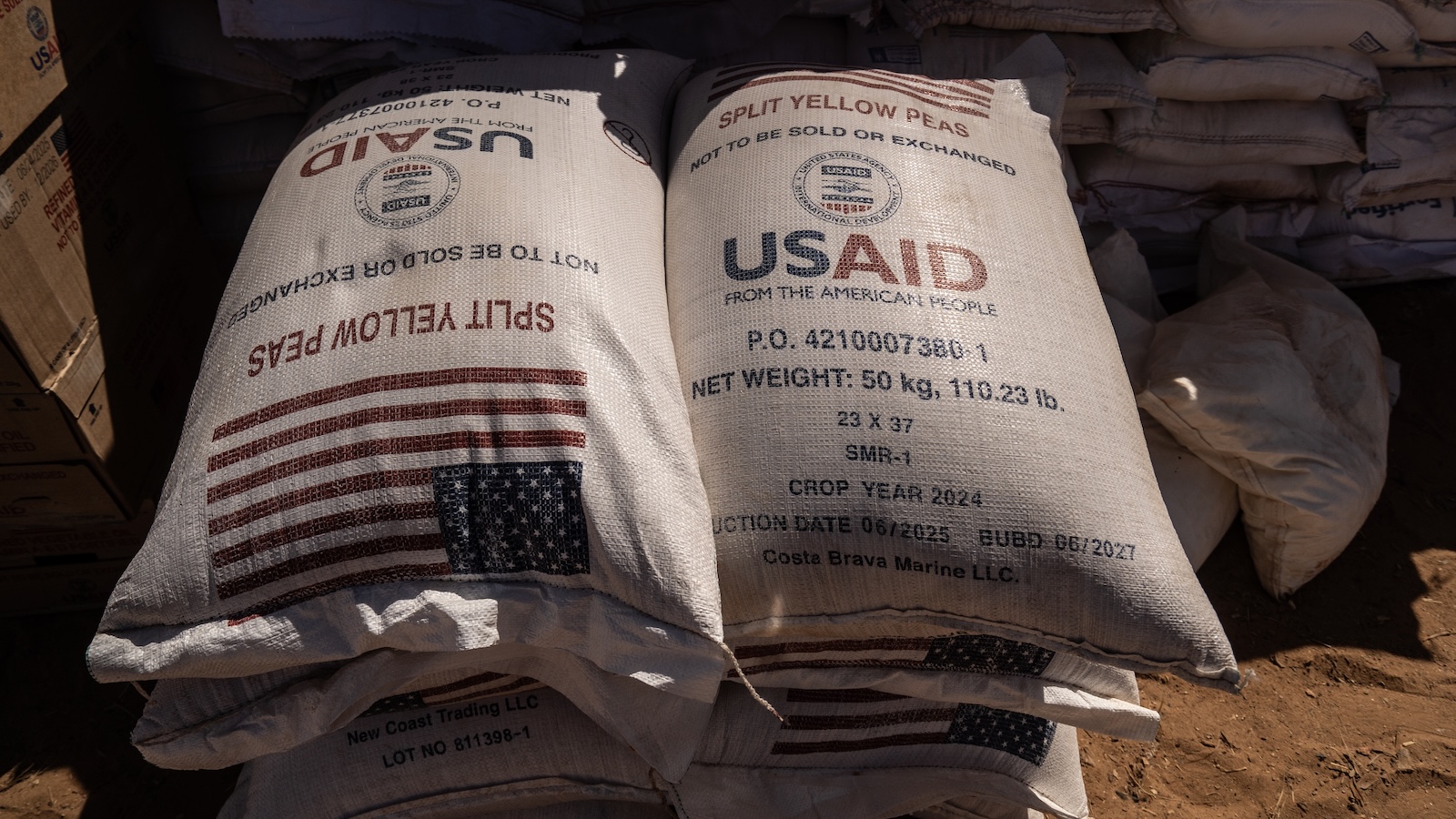
A decade-long agricultural research initiative in Niger focused on protecting millet and other staple crops from destructive pests came to an abrupt halt following the Trump administration’s decision to suspend and dismantle USAID programs. Plant breeder Bassirou Sani Boubacar Gaoh had been leading efforts to equip local farmers with pest surveillance tools and disease management techniques through a program funded by USAID’s Feed the Future Innovation Labs, in partnership with Pennsylvania State University.
In January 2025, days after the administration took office, a stop-work order was issued that suspended nearly all USAID overseas programs. The 17 core Innovation Labs faced funding termination notices, with only one lab at Kansas State University permitted to continue operations. Boubacar Gaoh’s team in Niger was largely dissolved, forcing him to seek alternative funding sources with limited success. The White House characterized the cuts as eliminating spending it deemed “woke, weaponized, and wasteful.”
Months later, the State Department announced a resurrected Feed the Future Innovation Labs program inviting new proposals from U.S.-based universities. However, the revised program shows significant geographic and thematic shifts. Documentation reviewed for the selection process allocates minimal attention to Africa, with former USAID officials noting the implicit deprioritization of the continent despite its unprecedented hunger crisis. Universities responded by reframing their proposals using “America First” language and removing references to climate change, substituting terms like “drought” instead.
The preliminary advancement list reveals that approximately seven proposals advanced to final consideration, nearly all from institutions in Republican-majority states, including Kansas State, Mississippi State, Auburn University, Clemson University, the University of Georgia, and the University of Florida. State Department officials stated that applications are evaluated based on published criteria without regard to applicant location, and that foreign assistance must “directly benefit American farmers, researchers, and taxpayers” and align with national interests.
Paradoxically, agricultural experts note that research addressing pest and disease challenges in Africa ultimately benefits American farmers as well, since climate change is expanding the geographic range of destructive pests globally. A South Carolina farmer currently battling a weevil species long established in Africa exemplifies how transnational crop challenges demand collaborative research. Scientists argue that addressing agricultural threats at their source prevents future domestic impacts, yet the restructured program’s geographic constraints may undermine such collaborative approaches.
Article Attribution | Read More at Article Source
Article summary produced by Claude AI