

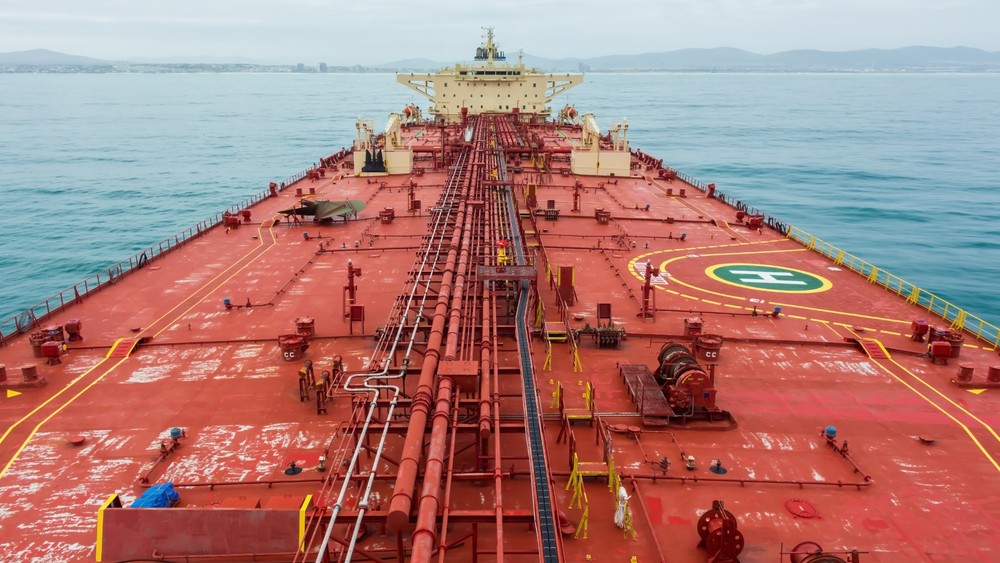
Iran’s newly established Persian Gulf Strait Authority has designated 45 oil, liquefied natural gas, liquefied petroleum gas, and product tankers as blacklisted vessels, citing violations of passage regulations through the Strait of Hormuz. The list includes vessels connected to major regional shipping operators, among them Saudi Arabia’s Bahri and ADNOC Logistics & Services along with its Navig8 Tankers division, according to reporting from Reuters.
The Iranian authority is warning of potential fines, vessel detention, and cargo seizure for the affected tankers. Officials have also indicated they may expand the blacklist to include vessels engaged in ship-to-ship transfers with any of the currently named tankers. The action represents part of Tehran’s broader assertion of control over the strategic waterway, where the country has previously sought to require ships to obtain Iranian clearance before passage and has demanded payments for security and related services.
Traffic through the strait has declined substantially, with shipping data indicating that roughly 90 percent fewer vessels are transiting compared to previous baseline periods, according to UK Maritime Trade Operations estimates. Only four commodity vessels crossed the strait on Sunday, compared with 13 the previous day, based on tracking data from Kpler. Before regional hostilities, the Hormuz strait handled approximately 20 percent of global oil and liquefied natural gas supplies.
U.S. energy officials have reported that recent daily crude oil departures from Hormuz have exceeded 8 million barrels, according to Energy Secretary Chris Wright. The Iranian action follows Tehran’s declaration that it would attempt to halt all Persian Gulf oil exports should Washington implement additional economic sanctions. U.S. Treasury Secretary Scott Bessent is scheduled to announce further economic measures later in the week, though specific targeting details remain undisclosed. Meanwhile, Iranian crude shipments to Asian markets have substantially diminished even ahead of the anticipated U.S. policy announcement.
Article Attribution | Read More at Article Source
Article summary produced by Claude AI