

The military confrontation between the United States, Israel, and Iran that began six months earlier has resulted in significant damage to Iranian military infrastructure while leaving the broader conflict unresolved. US officials have reported substantial destruction of Iran’s defense capabilities, with Secretary of State Marco Rubio citing 80 to 90 percent attrition of the defense-industrial base. However, despite these military setbacks, Iran has maintained the ability to threaten shipping through the Strait of Hormuz, a critical global waterway.
Experts identify four key factors that will shape the conflict’s trajectory: Iran’s capacity to absorb economic pressure, the potential for diplomatic negotiations to produce lasting settlements, control of the Strait of Hormuz, and the role of major powers like Russia and China in rebuilding Iranian capabilities. Treasury Secretary Scott Bessent announced plans to intensify economic isolation measures against Tehran on August 24 and intended to coordinate these efforts with G20 finance ministers during meetings scheduled for August 31-September 1. Military analysts note that sustained economic pressure, particularly during winter months, could create internal challenges for Iran’s government if it struggles to maintain essential services and pay state institutions.
China’s relationship with Iran presents a significant variable in this calculation. While approximately 80 percent of Iran’s oil exports go to China, these sales represent only 12 to 13 percent of China’s crude imports. Beijing has resisted US pressure regarding its trading relationship with Tehran, and Chinese participation in alternative financial arrangements involving yuan-denominated transactions threatens to reduce the US dollar’s role in global energy markets.
Military strategists note a distinction between tactical battlefield success and achieving durable political outcomes. The conflict has raised questions about the sustainability of military approaches, particularly given limited additional targets for further strikes. Meanwhile, Iran has signaled mixed messages regarding negotiations, with some government elements preferring to wait until after US midterm elections in November, while other clerical authorities have emphasized the economic damage and importance of diplomatic engagement.
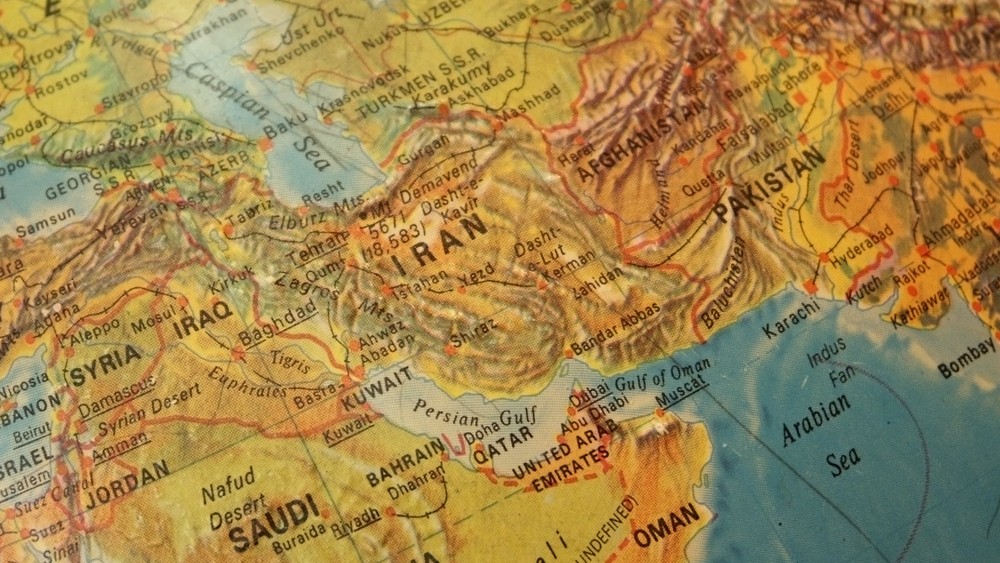
The Strait of Hormuz has emerged as Iran’s principal remaining bargaining instrument, controlling a waterway traditionally carrying about one-fifth of the world’s oil and liquid natural gas. The narrow 39-kilometer passage presents both a strategic advantage and a potential point for negotiated arrangements, as Gulf states may eventually seek stabilizing agreements that acknowledge Iranian interests in exchange for resumed economic normalcy.
Article Attribution | Read More at Article Source
Article summary produced by Claude AI