

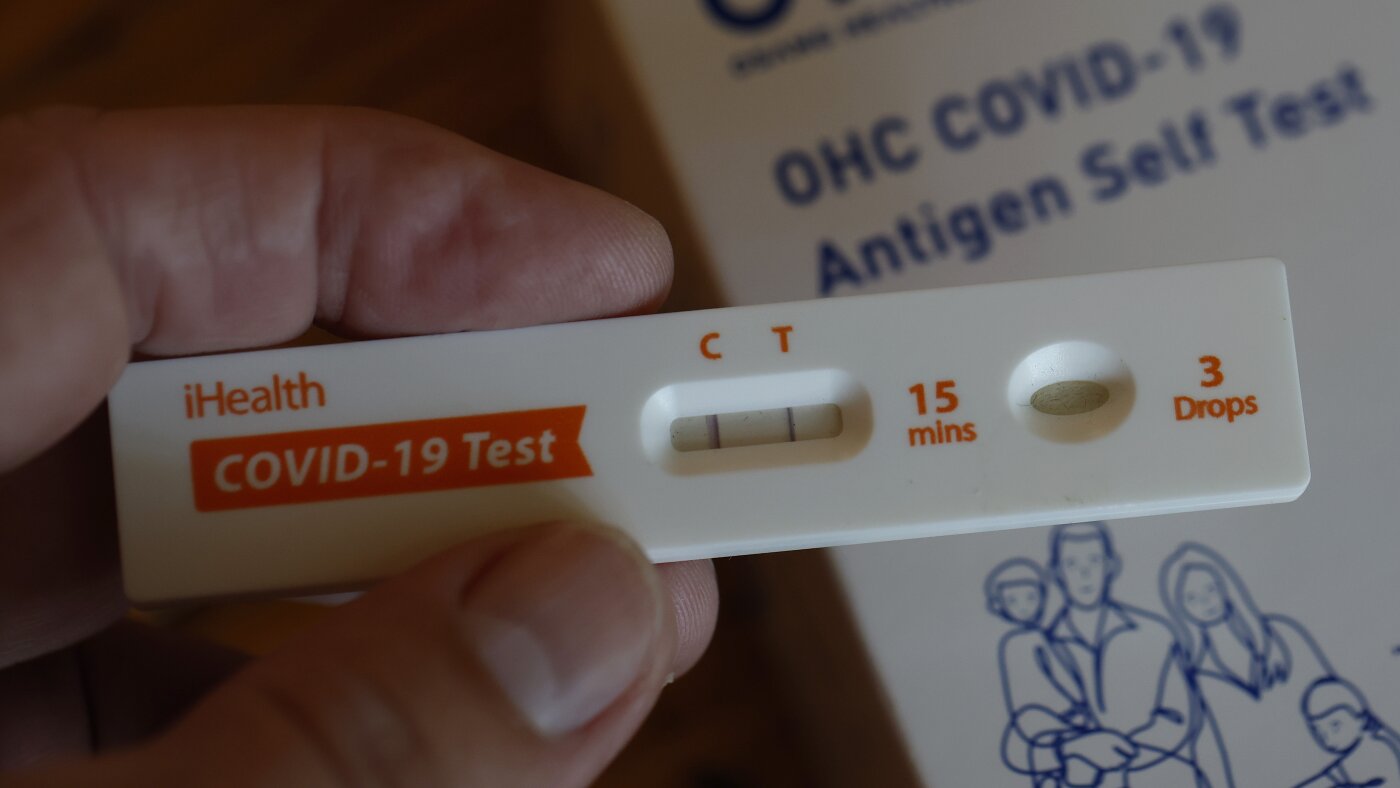
The United States is currently in the midst of an expanding summer wave of COVID-19, according to infectious disease specialists and epidemiologists interviewed on the matter. Dr. John Brooks, an infectious disease physician at Emory University who previously worked at the Centers for Disease Control and Prevention, notes that while the virus is spreading increasingly across the country, many Americans have moved past concerns about the disease.
The virus is spreading most actively in the South and West regions, with cases also rising in the Northeast and Midwest. Despite the uptick, the overall caseload remains low, and the current wave appears consistent with recent annual trends showing increasingly mild disease progression. Fewer hospitalizations and deaths are occurring compared to earlier pandemic years, which experts attribute to growing population immunity from prior infections and vaccination campaigns.
However, COVID-19 continues to pose significant health risks for vulnerable populations. Epidemiologist Caitlin Rivers from Johns Hopkins University emphasizes that the disease remains dangerous for older adults, infants, and immunocompromised individuals—a group representing a substantial portion of the American population. Beyond severe outcomes, the virus still causes weeks of illness that disrupts work, school, and travel plans for many people.
Unlike seasonal influenza, which peaks during winter months, COVID-19 exhibits a unique pattern of surging both in summer and winter seasons. Scientists have not yet determined the cause of this unusual seasonality. Public health officials recommend staying current with vaccinations, as upcoming vaccine formulations are expected to match circulating viral strains. Additionally, a new preventive medication called Xocova has become available for use following exposure to the virus.
Confusing public messaging regarding vaccine recommendations has emerged, as the current administration has changed guidance while major medical organizations continue advocating for routine annual immunizations. Despite these mixed signals, insurers and government programs are expected to maintain vaccine coverage and availability for the population.
Article Attribution | Read More at Article Source
Article summary produced by Claude AI