

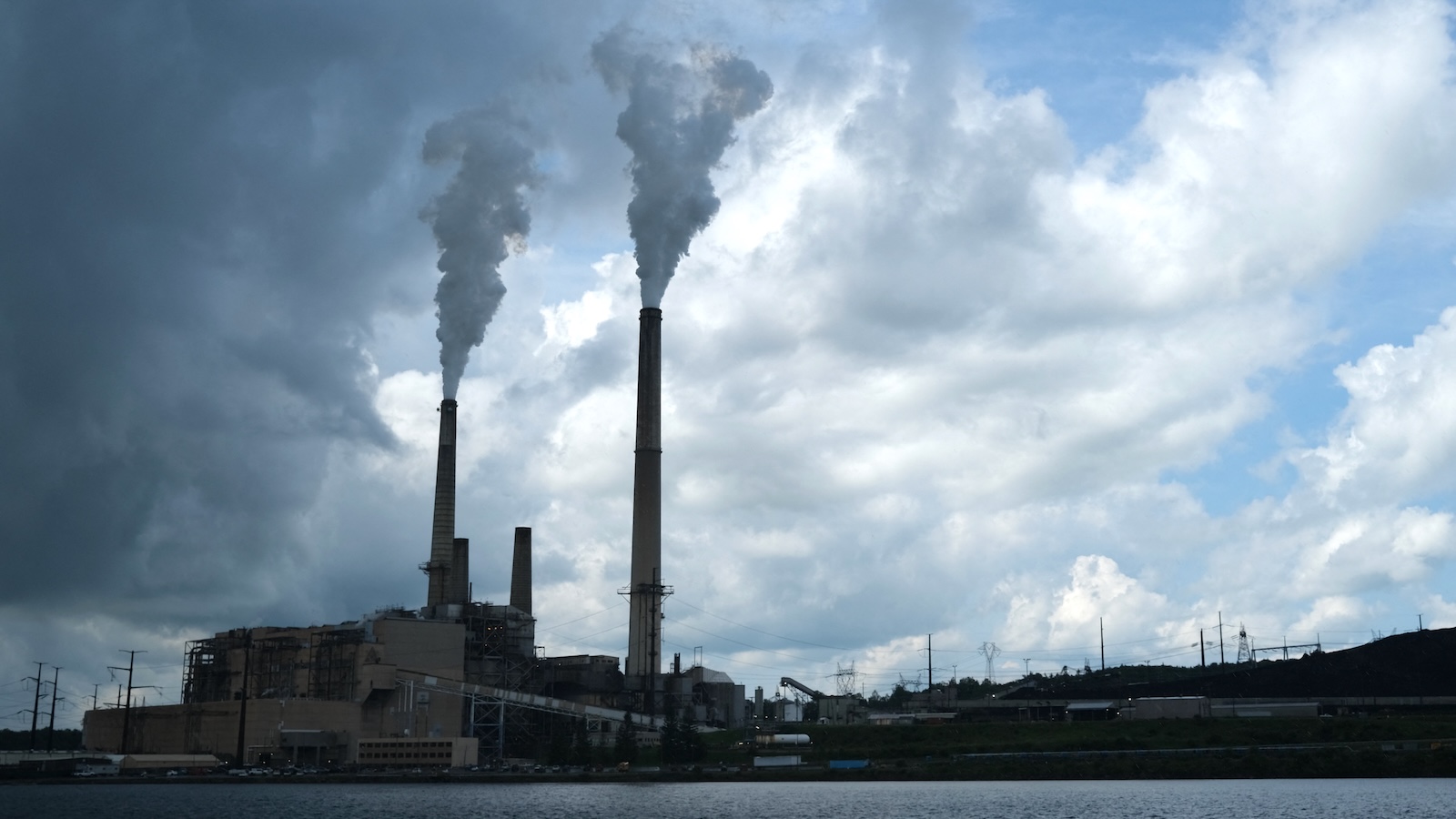
An Energy Information Administration report released last week revealed that carbon emissions from the U.S. power sector increased by 4 percent in the previous year, surpassing the overall economic emissions growth rate of 2 percent. The agency attributed a significant portion of this rise to a 13 percent surge in coal power generation, with data centers identified as a partial driver of this trend.
Historically, U.S. power consumption had remained relatively flat for several decades prior to the artificial intelligence boom. Grid operators and utilities had planned infrastructure investments and power plant retirements based on this assumption, expecting natural gas and renewable energy sources to replace aging coal facilities. However, electricity demand has grown substantially faster than anticipated. Industry analysts project that data centers could account for more than 10 percent of U.S. electricity consumption by 2030, and because these facilities operate continuously regardless of weather conditions, they have extended the operational life of some older coal plants that were previously slated for retirement.
Solar and wind energy expansion partially offset the emissions increase during the period. Utilities now have greater access to cheap, carbon-free energy during daylight hours and high-wind periods, reducing their reliance on fossil fuel plants. Solar generation has exceeded coal output during sunny months with low demand. However, the fundamental challenge is that while renewable capacity continues to expand, coal generation is not declining proportionately.
Additional factors contributed to increased coal utilization. Natural gas prices rose relative to coal as domestic natural gas exports increased, making coal economically more competitive. Government actions also played a role, with federal emergency orders preventing the retirement of multiple coal plants, though data shows these facilities are operating at lower capacity than before.
Data center demand has driven particularly significant coal generation increases in certain regions. Virginia, home to the world’s largest artificial intelligence cluster, nearly doubled its coal power generation to support expanding data centers, while neighboring coal states Pennsylvania and West Virginia also increased generation. The persistence of coal in the power generation mix presents a challenge for meeting national climate targets, as the electricity sector accounts for approximately 25 percent of U.S. emissions and represents a critical decarbonization priority with cost-effective renewable alternatives available.
Article Attribution | Read More at Article Source
Article summary produced by Claude AI