

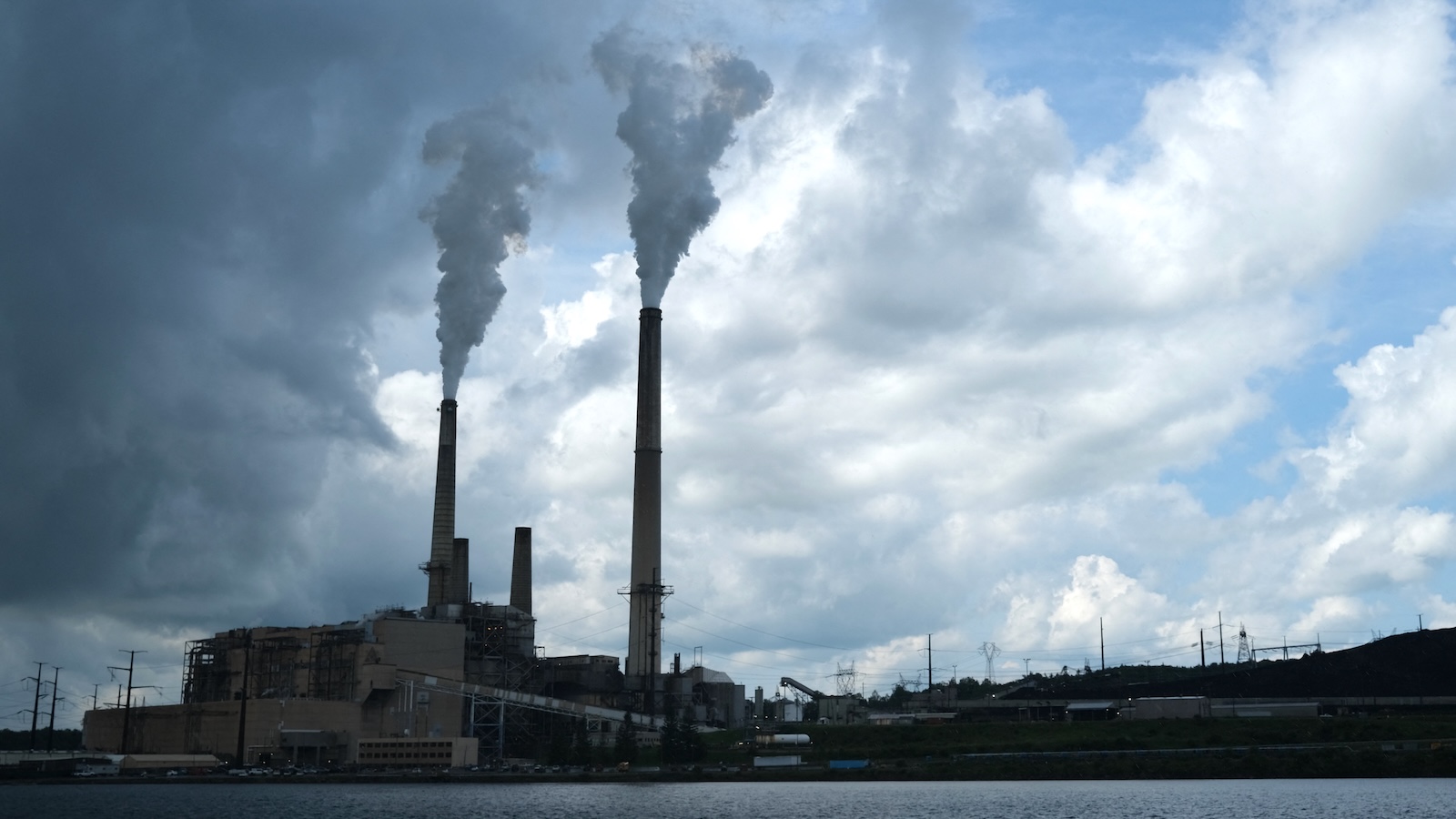
According to a recent Energy Information Administration report, carbon emissions from the U.S. power sector increased by 4 percent in the previous year, marking a reversal of a longstanding downward trend. The agency attributes this rise partly to a 13 percent jump in coal power generation, with the proliferation of large-scale data centers identified as a contributing factor.
For decades, U.S. electricity demand remained relatively flat, prompting utilities and grid planners to assume this pattern would persist. Many operators planned to retire older, dirtier coal facilities with the expectation that natural gas and renewable sources could replace them. However, electricity demand is now rising faster than previously anticipated. Data centers are projected to account for more than 10 percent of U.S. electricity consumption by 2030 and operate continuously, including during periods when wind and solar output is limited. This sustained demand has extended the operational life of aging coal plants.
While renewable energy sources expanded significantly, with solar and wind surging during the measured period, coal generation did not contract proportionally. Solar power now exceeds coal output during sunny months with low demand, yet coal capacity has not been retired at the expected pace. Additional factors contributing to increased coal usage include natural gas becoming more expensive relative to coal as exports have risen, shifting price dynamics in the energy market.
Government actions have also supported coal generation. Current administration officials have promoted policies aimed at sustaining coal plants and supporting the coal industry. However, emergency orders preventing the closure of specific facilities have not proven to be the primary driver of increased coal emissions, as affected plants generally operate at lower capacity than in prior years due to competition from cheaper power sources.
The rebound in coal generation is occurring nationwide. Outside the Western United States, nearly every state increased coal generation, with particularly significant increases in Virginia, which hosts the world’s largest artificial intelligence cluster. This development is considered concerning given that the power sector accounts for approximately 25 percent of U.S. emissions and represents a critical area for decarbonization efforts to meet climate targets.
Article Attribution | Read More at Article Source
Article summary produced by Claude AI