

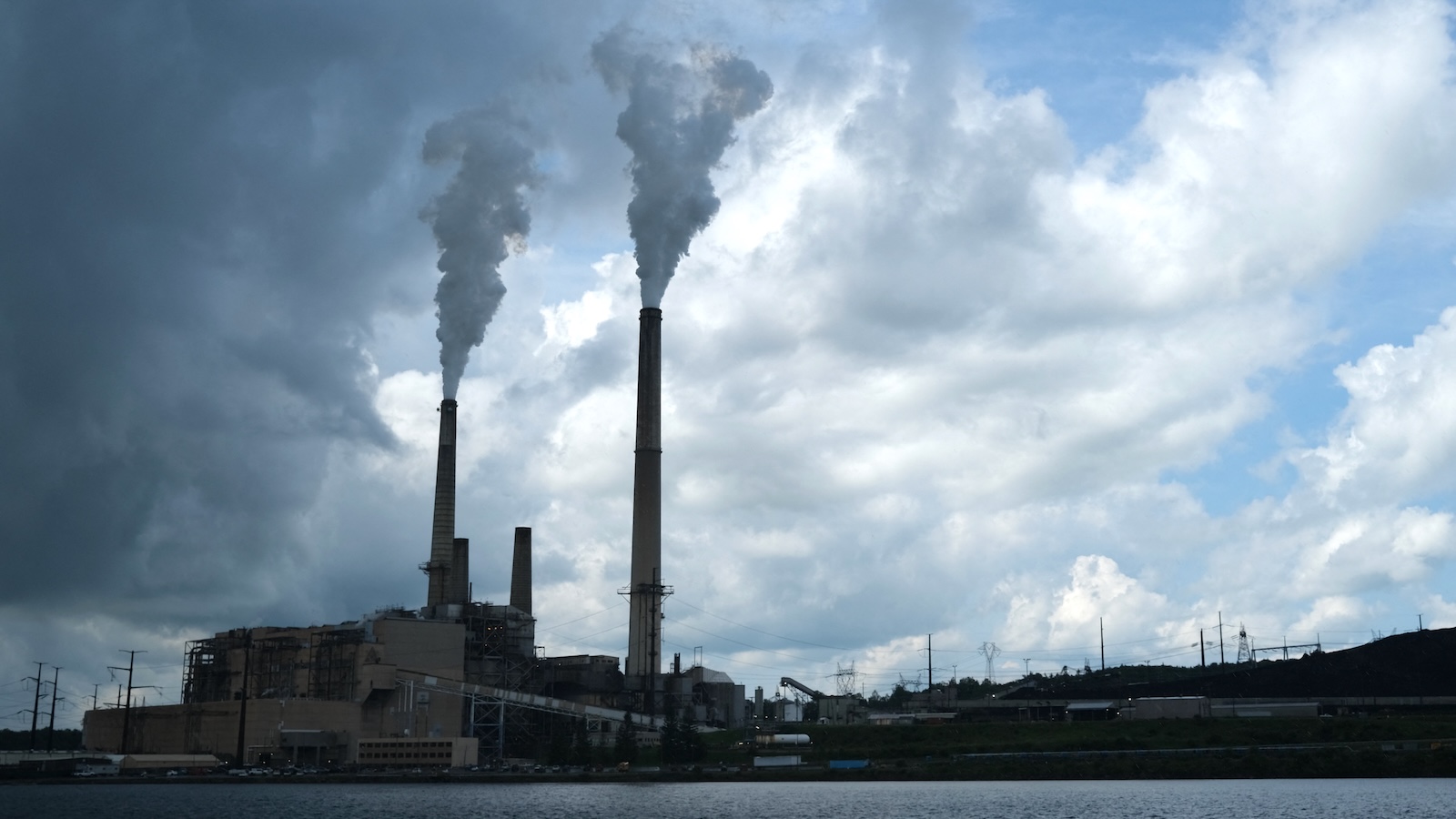
A recent Energy Information Administration report indicates that carbon emissions from electricity generation in the U.S. increased by 4 percent in the previous year, marking a reversal of decades-long declining trends in power sector emissions. This uptick outpaced overall economic emission growth, which reached 2 percent. The agency identified a 13 percent jump in coal power generation as a primary driver, with proliferating hyperscale data centers contributing significantly to this increase.
For decades, U.S. electricity consumption remained relatively flat, prompting utilities and grid operators to plan for retiring aging coal plants while assuming natural gas and renewable energy could meet future demand. However, the artificial intelligence boom has fundamentally altered these assumptions. Data centers are anticipated to account for more than 10 percent of national electricity usage by 2030 and operate continuously, including during periods when wind and solar output is minimal. This round-the-clock demand has extended the operational lifespan of some older coal facilities that would otherwise have been decommissioned.
Experts note that while structural decline in coal usage is expected over time, the current trajectory suggests this transition will occur more slowly than previously projected. Renewable energy sources, particularly solar and wind, did experience significant growth in the reporting period, and solar now generates more electricity than coal during sunny months with lower demand. However, the critical challenge is that coal capacity is not decreasing despite increased renewable generation capacity.
Additional factors contributing to elevated coal usage include relative pricing dynamics, as natural gas exports have increased domestic gas prices compared to coal costs. Political support for coal has also strengthened, with recent policy directives aimed at preventing coal plant retirements and supporting industry expansion. However, analysis indicates that prevented closures are operating at lower capacity levels than before, suggesting market forces rather than policy mandates primarily drive current generation patterns.
The situation carries significant implications for decarbonization efforts, as the electricity sector represents approximately 25 percent of national emissions. Progress requires transitioning transportation, heating, and other sectors to electricity as the grid becomes cleaner, but that transition depends on continued movement away from fossil fuels in power generation.
Article Attribution | Read More at Article Source
Article summary produced by Claude AI