

A BBC investigation has identified at least 30 children, predominantly British, who may have been conceived through in vitro fertilization procedures in northern Cyprus using donors other than those selected by their parents. The parents report that they carefully chose anonymous donors based on detailed information including medical history, physical appearance, personality traits, education, and hobbies, but now suspect the clinics did not use the donors they had requested.
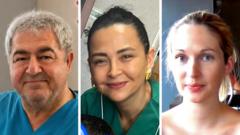
Approximately half of the 30 children were born from procedures at Dogus IVF Centre. Three staff members at the clinic—Dr Firdevs Uguz Tip, Dr Sevket Alpturk, and patient coordinator Julie Hodson—were involved in the care of many of these patients. Parents suspect these individuals may have misled them about donor selection. Dr Firdevs has denied any wrongdoing, while Alpturk and Hodson have not responded to inquiries. Additionally, Cryos International, described as the world’s largest sperm bank, blacklisted Dogus clinic in 2016.
Northern Cyprus operates with minimal fertility clinic regulation and is not subject to European Union law. The territory attracts British patients seeking lower-cost fertility treatments with promised access to screened donors from Western Europe. Of the 30 children identified, 11 have undergone commercial DNA testing that revealed genetic ancestry from Turkey or surrounding countries, suggesting their parents’ requested donors were not used. Most of these children were conceived between 2012 and 2024 at Dogus.
One case involves a woman named Rachel, who selected a Danish sperm donor through Cryos in 2012 for treatment costing approximately €4,000. DNA testing 13 years later indicated the donor was not the one she had chosen. When BBC News contacted Cryos, the company stated it had no record of delivering sperm to Dogus, despite the clinic having advertised this relationship for years. Northern Cyprus’s Ministry of Health announced an investigation earlier this year but has not provided further updates. The UK Foreign Office has updated travel advice warning that fertility treatment in northern Cyprus carries risks due to insufficient regulation.
Article Attribution | Read More at Article Source
Article summary produced by Claude AI