

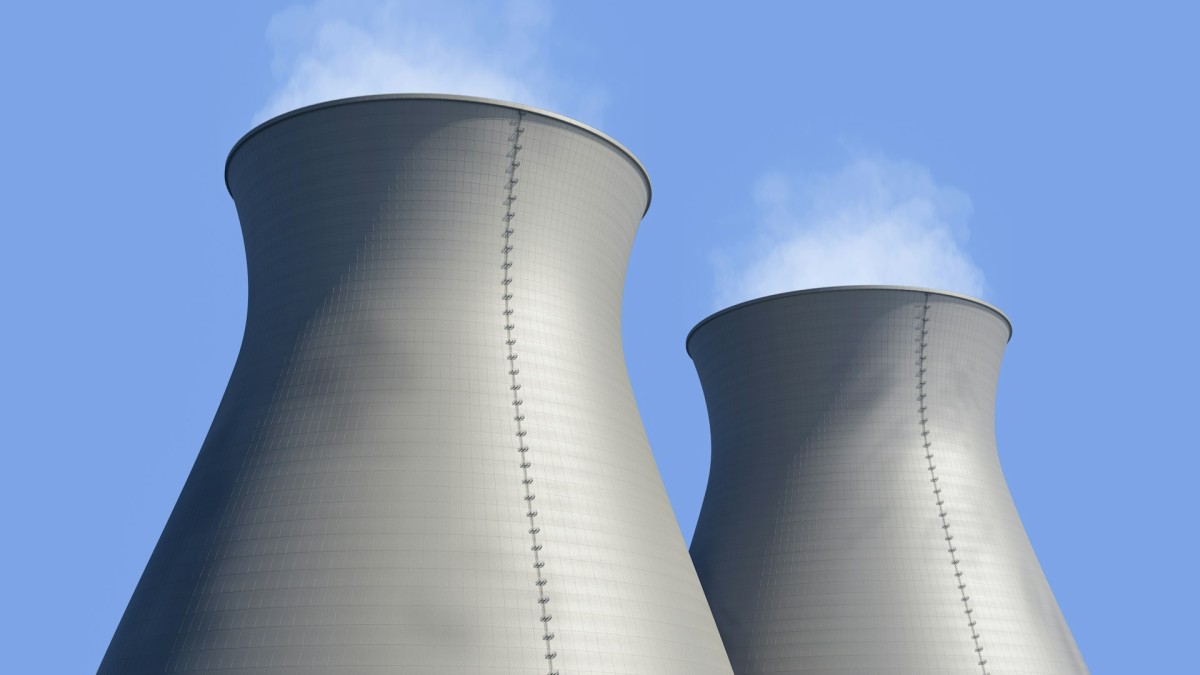
The Trump administration is pursuing expanded nuclear energy production domestically, but the United States faces significant challenges in achieving energy independence in the nuclear sector. Currently, the nation sources approximately 93 percent of its uranium for nuclear fuel from foreign suppliers, creating vulnerabilities in the country’s energy security infrastructure.
The concentration of uranium production and enrichment among a limited number of international players presents additional concerns, particularly given that many critical supply chains are controlled by Russia. A Stanford Energy report from January identified multiple threats to the U.S. nuclear energy sector, including tight uranium supplies, geopolitical risks, and escalating costs affecting both existing reactor operations and the development of advanced reactor technology.
Global demand for uranium is projected to increase substantially in coming years, with the World Nuclear Association forecasting a 28 percent rise by 2030 and a near doubling by 2040. This surge in demand occurs as multiple nations pursue nuclear energy expansions, intensifying competition for limited uranium resources. Russia and China have been actively securing uranium access in Central Asia and Africa, giving them competitive advantages. The U.S. nuclear industry faces considerable challenges in meeting projected uranium demand over the next decade, with utilities requiring approximately 360 million pounds of uranium while current long-term purchase agreements cover only 174 million pounds of this need.
The federal government is implementing strategies to increase domestic uranium production and reduce import dependency. These initiatives include investment in recycling spent nuclear fuel, which could theoretically improve resource utilization by 95 percent. Additionally, uranium production commenced at a major in-situ recovery site in South Texas in April, expected to yield over 6 million pounds of uranium oxide. The Trump administration is also pursuing conversion of Cold War-era weapons-grade plutonium into commercial reactor fuel through agreements with nuclear startups, providing an alternative fuel source to accelerate nuclear power expansion.
Article Attribution | Read More at Article Source
Article summary produced by Claude AI