

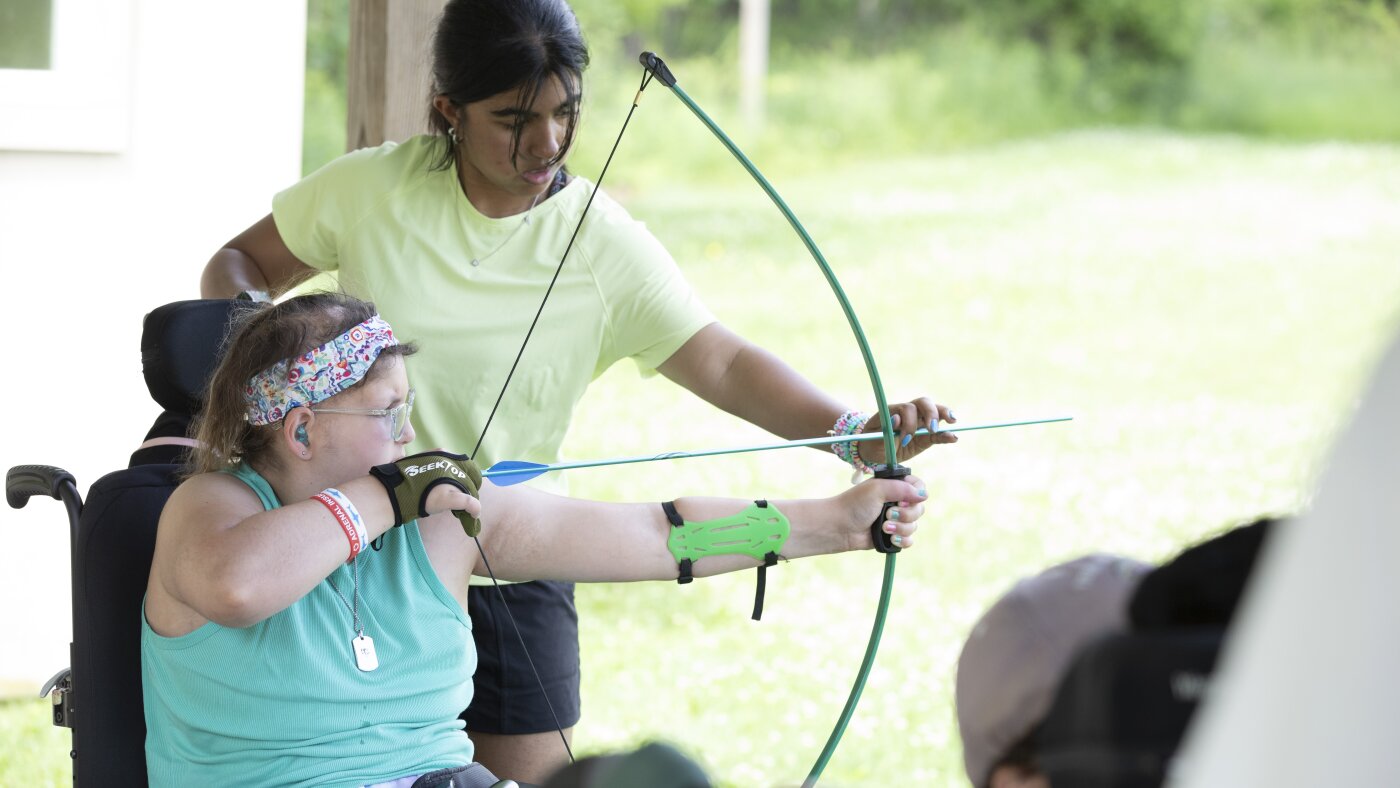
Camp Cranium, located in rural Pennsylvania’s Columbia County, has served children and young adults with brain injuries since 2008. The camp offers participants ages 10 to 21 recreational activities including archery, rock climbing, swimming, and zip-lining. Many campers have sustained severe brain injuries requiring them to relearn fundamental skills, yet the camp environment allows them to develop confidence and achieve physical feats they may not have thought possible.
The existence of specialized camps reflects broader changes in trauma survival rates. Improved survival outcomes for brain injuries stem largely from seat belt laws and federal investments in research and trauma care infrastructure developed over recent decades. However, current efforts to track and prevent traumatic brain injuries face significant challenges. Congress did not renew legislation supporting traumatic brain injury research and prevention, and recent staff reductions at the Centers for Disease Control and Prevention eliminated the team responsible for monitoring these injuries.
According to available data, an estimated 2.8 million Americans experience traumatic brain injuries annually, including approximately 475,000 children, though experts suggest actual figures may be higher. A 2018 CDC pilot study using household surveys indicated that such injuries are more prevalent than hospitalization records suggest, as internal damage often goes undetected. The CDC had been preparing to launch a nationwide concussion surveillance system before the recent staffing changes.
The Traumatic Brain Injury Act, originally passed in 1996, provided states with grants for research, advocacy, and services. Congress reauthorized the legislation four times with largely bipartisan support until 2024, when the act lapsed. Federal funding remains available through existing mechanisms, though advocates express concern about the long-term impact of reduced staffing and the absence of renewed legislative authority. Congress is currently deliberating whether to reauthorize the act through 2030.
Article Attribution | Read More at Article Source
Article summary produced by Claude AI