

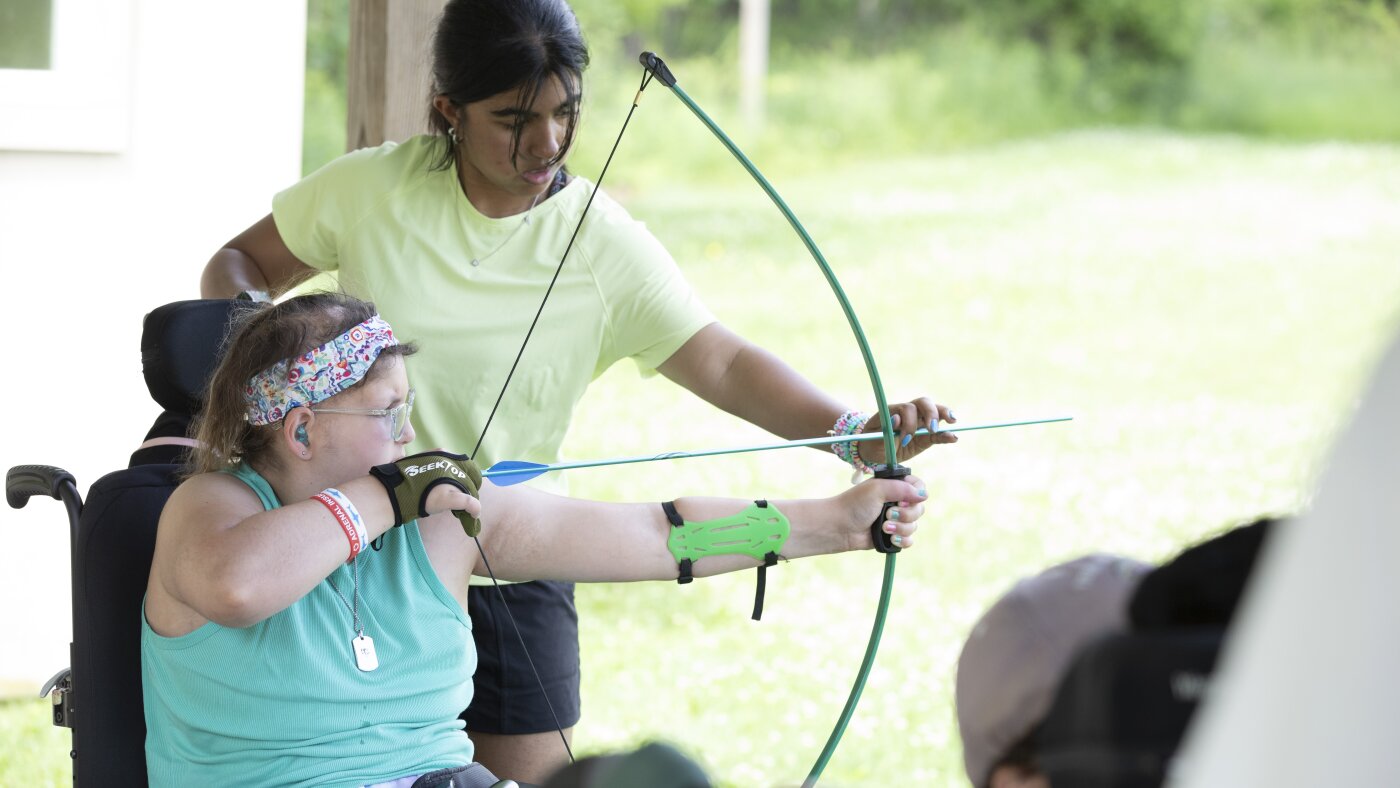
Camp Cranium, located in rural Columbia County, Pennsylvania, has operated since 2008 as a week-long residential program for children and young adults aged 10 to 21 who have survived brain injuries. Participants engage in activities including archery, rock climbing, swimming, and zip-lining, often achieving milestones that surprise counselors and family members. Some campers have injuries so severe they require relearning fundamental skills such as speech and basic motor functions, while others use mobility assistance devices.
The camp represents a response to broader demographic shifts in traumatic brain injury survival rates. Approximately 2.8 million Americans annually experience traumatic brain injuries, with roughly 475,000 being children, according to the Brain Injury Association of America. A 2018 CDC household survey suggested these figures may be undercounts, indicating that such injuries are more prevalent than hospitalization records suggest.
Recent developments have created uncertainty regarding brain injury research and prevention infrastructure. Congress has not renewed the Traumatic Brain Injury Act since 2024, leaving the law lapsed despite previous reauthorizations occurring with broad bipartisan support since its initial passage in 1996. Additionally, the Trump administration conducted mass layoffs at the Centers for Disease Control and Prevention in early 2025 that eliminated the team responsible for tracking traumatic brain injuries, disrupting plans to launch a nationwide concussion surveillance system.
The Department of Health and Human Services stated the administration remains committed to brain injury prevention and surveillance efforts, with work now distributed among other CDC staff. The agency allocated funds in 2026 for educational campaigns about concussions, injury prevention programs, and concussion surveillance. However, advocates including Rebeccah Wolfkiel, executive director of the National Association of State Head Injury Administrators, expressed concern that funding gaps and staffing reductions could undermine long-term research and prevention capacity. Congress is currently considering whether to reauthorize funding through 2030.
Article Attribution | Read More at Article Source
Article summary produced by Claude AI