

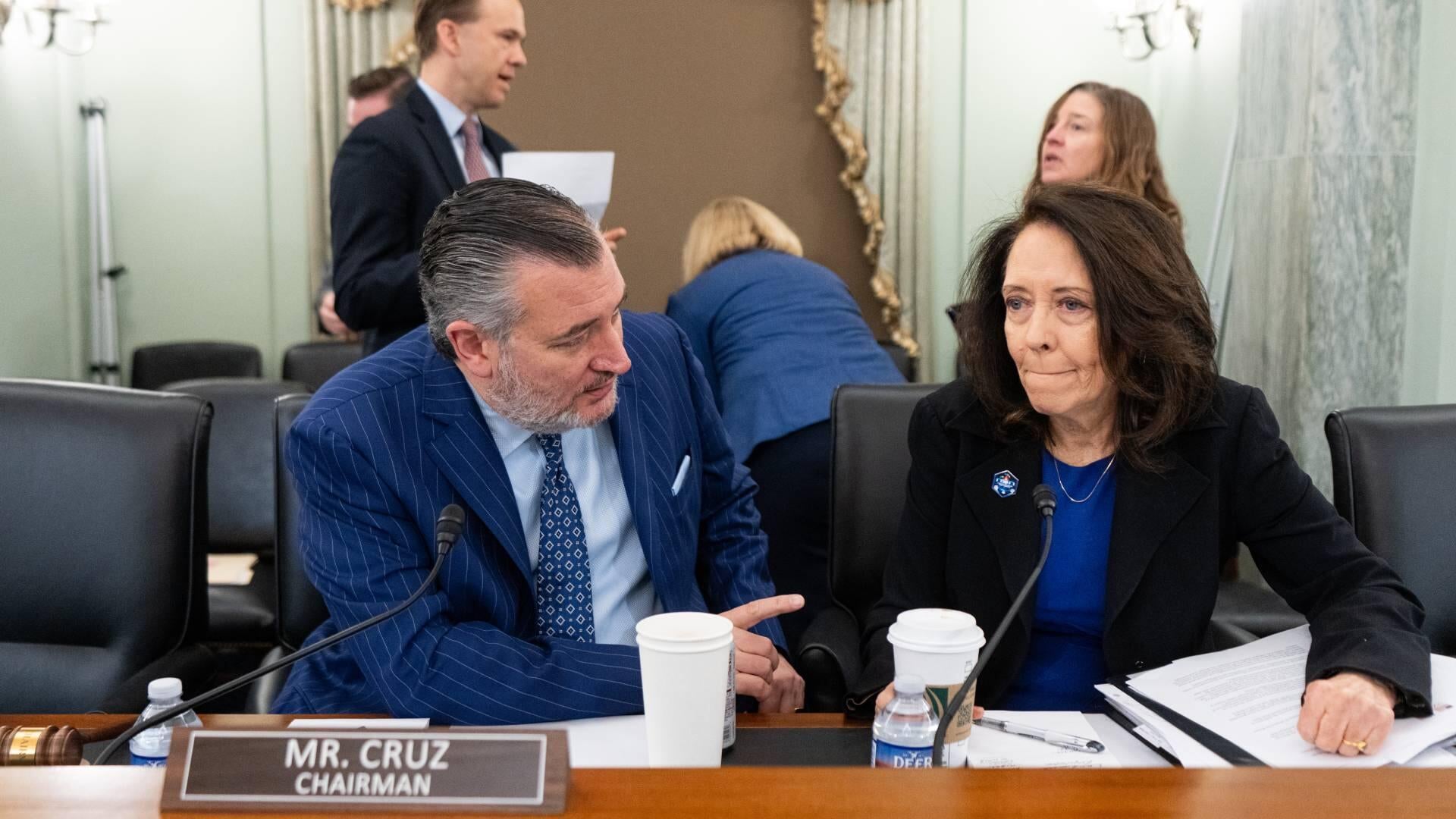
The Protect College Sports Act advanced in the Senate this week as Majority Leader John Thune filed cloture on the updated bipartisan legislation, initiating procedural steps toward a potential vote. However, the timeline remains uncertain due to mounting obstacles and competing legislative priorities as lawmakers prepare for their August recess.
Several Republican senators have introduced new conditions that could reshape the final bill. Sen. John Kennedy indicated he is considering an amendment to cap annual ticket price increases at 4% and sought clarification that the legislation would not shield the NCAA from legal liability. Additionally, Sens. Josh Hawley, Jim Banks, and Tommy Tuberville filed an amendment intended to ensure state laws restricting transgender participation in women’s sports would not be superseded by the federal legislation.
Opposition from other quarters has also emerged. The Congressional Black Caucus released a statement opposing the bill, contending that Black athletes and their communities had insufficient input in shaping legislation with significant implications for college sports economics. Chair Yvette Clarke stated the caucus would not support a measure that excluded Black stakeholders’ participation in determining the future of college athletics.
The legislative hurdles came despite momentum generated by major conferences. The Big Ten and SEC recently endorsed the bill following negotiations over revenue-sharing provisions and associated entities, which supporters had hoped would accelerate Senate passage. Some bill proponents, including co-author Ted Cruz, had expressed confidence in swift passage, yet the timeline has proven fluid. Co-author Eric Schmitt noted that a government funding bill held priority in the Senate’s queue, making the August recess deadline uncertain.
If the bill does not secure an expedited vote before lawmakers depart for recess, it could be revisited when Congress reconvenes in September. While some observers have questioned whether a vote is feasible during a midterm election year, reporting indicates optimism that the legislation could achieve the 60-vote threshold required to overcome a Senate filibuster.
Article Attribution | Read More at Article Source
Article summary produced by Claude AI