

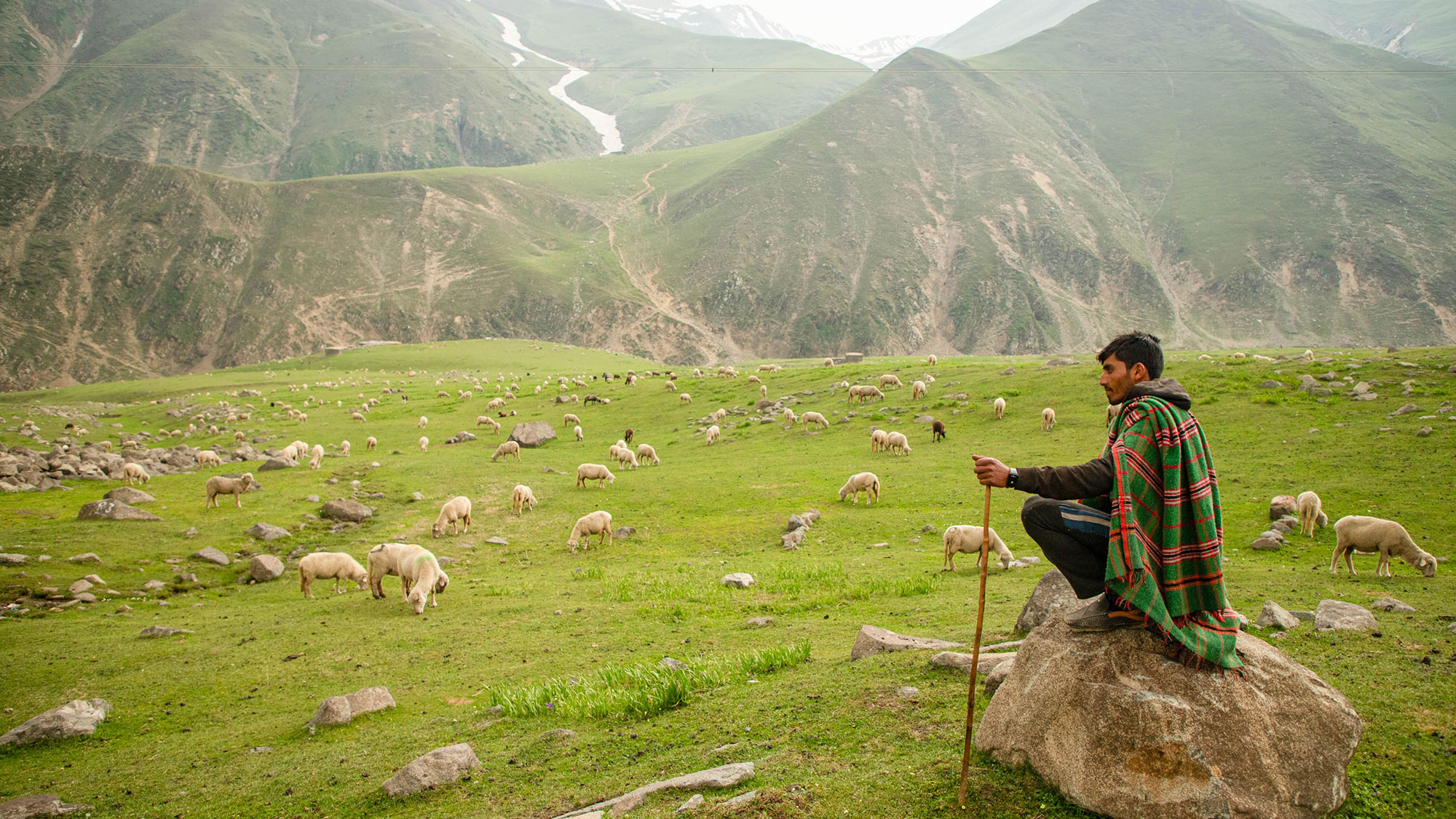
Pastoralists representing roughly 500 million people worldwide who tend livestock herds are facing an existential threat from accelerating drought and land degradation. In Tanzania, members of the Maasai community like Andrew Msami have been forced to adapt their traditional practices, shifting from cattle to goats that better withstand harsh conditions, fundamentally challenging their cultural identity and economic systems that have historically centered on herd size and livestock wealth.
Rangelands, which cover approximately half of the planet’s landmass, are experiencing desertification at rates 30 to 35 times higher than historical averages. This crisis affects pastoralist communities across multiple continents, from Sudan and Nepal to Mongolia, compounded by invasive species, industrial extraction, and tourism pressures. Despite these overlapping threats, the global environmental movement has historically underinvested in solutions compared to other major challenges identified at the 1992 UN Earth Summit.
This week, hundreds of pastoralists are participating in the UN Convention to Combat Desertification in Mongolia, seeking stronger legal protections for their traditions, increased funding, and recognition that generations of experience on marginal lands offers valuable lessons for global climate adaptation. Hindou Oumarou Ibrahim, an Indigenous representative from Chad, described the conference as historic because it features the first formal caucus for Indigenous peoples at a desertification convention, though the caucus has faced resistance from some participating nations.
Advocates emphasize that securing land and mobility rights is inseparable from climate adaptation and building resilience. Scientific evidence demonstrates that pastoral practices enhance biodiversity and support climate-resilient landscapes, yet some countries have responded to drought by restricting herd sizes and movement. Ibrahim and other leaders argue that while traditional knowledge remains valuable, the accelerating pace of desertification—advancing 2 kilometers annually in some regions—now requires complementary investment in legal protections and resources to sustain these communities and their proven stewardship practices.
Article Attribution | Read More at Article Source
Article summary produced by Claude AI