

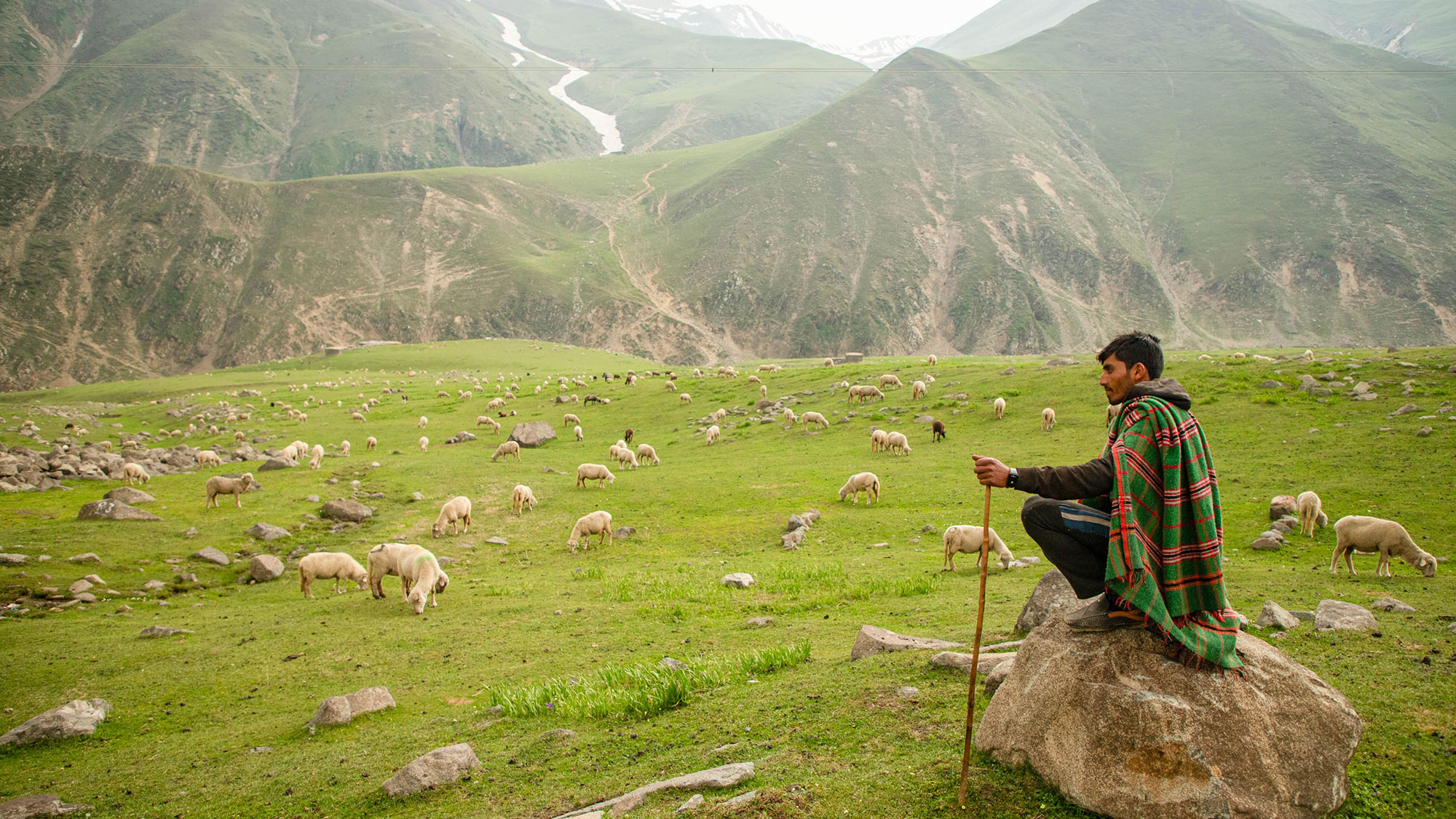
Andrew Msami and hundreds of pastoralists representing approximately 500 million people globally are attending the United Nations Convention to Combat Desertification this week in Mongolia. The gathering addresses escalating threats to rangelands, which comprise roughly half of Earth’s landmass, where pastoral communities depend on livestock herds for survival and cultural identity. Desertification is advancing at rates 30 to 35 times higher than historical averages, compounded by invasive species, extractive industries, and tourism pressures.
Pastoralist representatives are calling for stronger protections of Indigenous pastoral traditions, increased access to climate adaptation funding, and international recognition of the knowledge accumulated through generations of living on marginal lands. Msami, who leads the Pastoralists Indigenous Non-Governmental Organizations Forum representing over 50 Tanzanian organizations, emphasizes that environmental policy must consider the people stewarding these lands alongside the land itself. Despite scientific evidence demonstrating that pastoralism enhances biodiversity and climate resilience, the global environmental movement has historically prioritized other challenges, leaving desertification underfunded and largely treated as a developing-world problem.
This conference marks the first meeting of the convention with a formal Indigenous peoples caucus, providing a distinct platform absent from other major environmental forums. However, organizers report facing resistance, with Indigenous participants staging protests in the opening week to secure full participation and establish official caucus functions. Recent severe droughts in developed nations like Spain, France, and Sweden have begun attracting greater international political attention to desertification, though funding and political commitment remain insufficient relative to climate change and biodiversity initiatives.
Experts stress that land and mobility rights for pastoral communities are inseparable from climate adaptation and resilience building. Some countries have responded to drought by restricting herd sizes and movement, despite evidence that these practices support climate-adapted landscapes. Participants highlight that while traditional knowledge remains valuable, desertification now advances faster than traditional restoration methods can address, necessitating international legal protections and substantial financial resources to sustain pastoralist livelihoods and leverage their accumulated adaptive expertise.
Article Attribution | Read More at Article Source
Article summary produced by Claude AI