

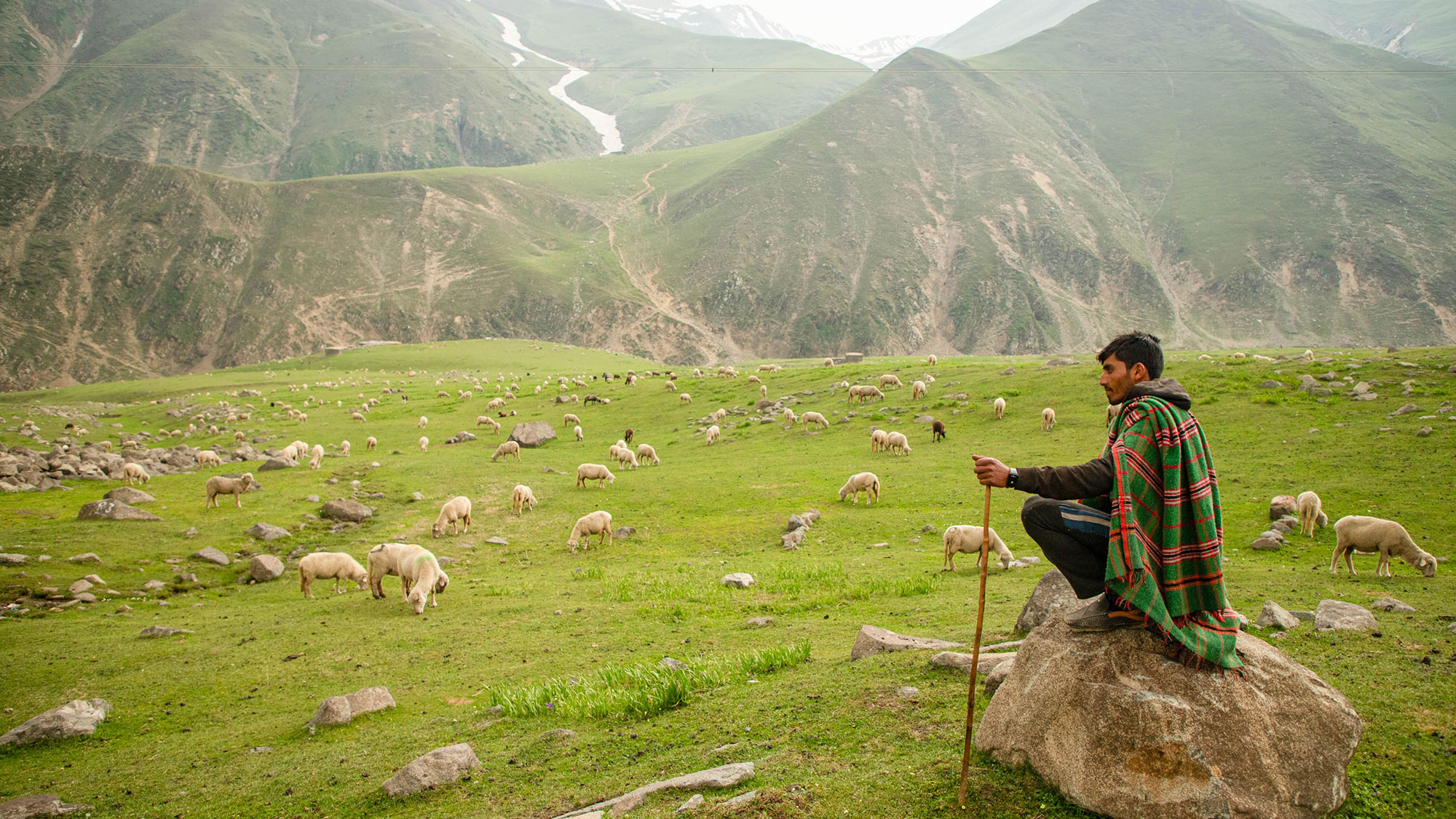
Pastoralist communities across the globe are facing unprecedented challenges from accelerating drought and land degradation. In northeast Tanzania, members of the Maasai community like Andrew Msami have been forced to adapt their traditional livestock practices, shifting from cattle to more drought-resistant goats. However, Msami emphasized that these changes threaten the cultural identity of pastoralist communities, as herd size has long determined social position and wealth in Maasai society. Similar pressures are affecting the approximately 500 million pastoralists worldwide who depend on rangelands for their survival.
Rangelands cover roughly half of the planet’s landmass, yet face mounting threats from desertification, invasive species, extractive industries, and other pressures. Desertification is currently occurring at 30 to 35 times the historical average rate. Recognizing these crises, pastoralist leaders convened this week in Mongolia for the United Nations Convention to Combat Deserticide, where they are calling for stronger protections of Indigenous pastoral traditions, increased access to funding and resources, and acknowledgment of their communities’ adaptive expertise.
Historically, desertification has received significantly less international attention and funding compared to climate change and biodiversity loss, despite being identified as a major environmental challenge at the 1992 UN Earth Summit. Recent severe droughts in developed nations like Spain, France, and Sweden have begun shifting political priorities. This year’s conference is notable for featuring the first formal Indigenous peoples caucus at the desertification convention, providing a platform for pastoralists to advocate on the international stage.
Despite this progress, Indigenous caucus leaders reported facing resistance during the conference. Scientific evidence supports the climate resilience benefits of pastoral practices, yet some countries have responded to land degradation by restricting herd sizes and movement. Advocates emphasize that protecting pastoralists’ land and mobility rights is essential to building climate resilience. However, leaders like Hindou Oumarou Ibrahim from Chad note that while traditional knowledge remains valuable, the accelerating pace of desertification now requires greater legal protections and international resources to sustain these communities and their adaptive practices.
Article Attribution | Read More at Article Source
Article summary produced by Claude AI