

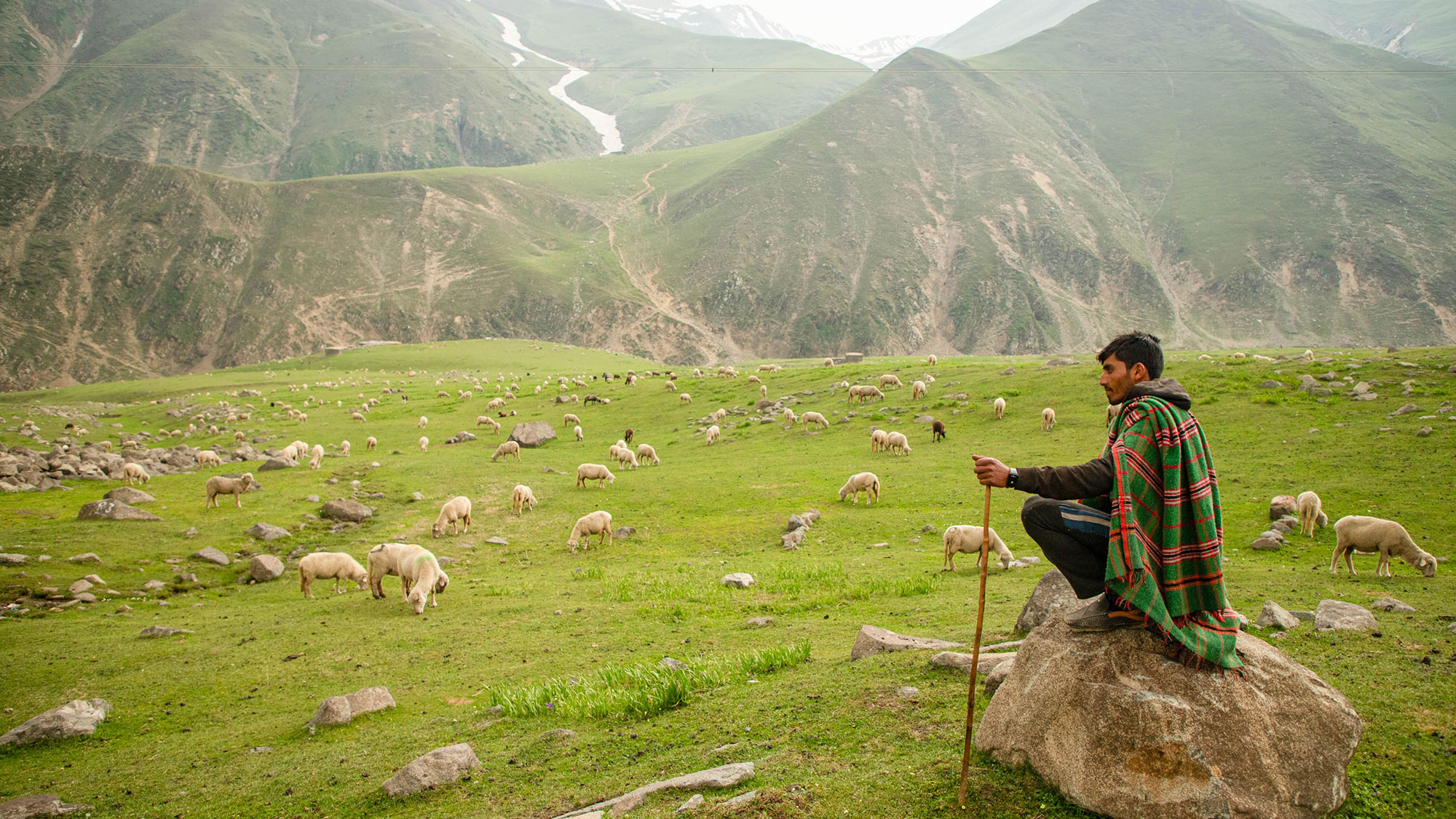
Andrew Msami, a Maasai pastoralist from northeast Tanzania, represents communities worldwide whose traditional livestock-based livelihoods face unprecedented pressure from accelerating environmental degradation. Approximately 500 million pastoralists across arid and semi-arid regions depend on rangelands that comprise roughly half of Earth’s landmass. These communities are experiencing desertification at rates 30 to 35 times higher than historical averages, compounded by invasive species, extractive industries, and tourism.
Msami and hundreds of other pastoralists convened in Mongolia this week for the United Nations Convention to Combat Desertification to advocate for Indigenous pastoral rights and access to climate adaptation funding. They emphasize that their accumulated knowledge of land stewardship and survival in marginal environments provides valuable insights for global climate resilience efforts. The gathering marks the first UNCCD meeting to include a formal Indigenous peoples caucus, though organizers report facing resistance in establishing full participation and official functions.
Historically, global environmental efforts following the 1992 Earth Summit have directed trillions of dollars toward climate change and biodiversity loss while treating desertification as a developing-world issue. Recent droughts affecting developed nations like Spain, France, and Sweden have shifted attention, though pastoralists argue funding and political will remain insufficient. Hindou Oumarou Ibrahim, chair of the Indigenous peoples caucus, noted that one-third of Mongolia’s population practices pastoral lifestyles yet remains excluded from climate policy discussions.
Scientific evidence demonstrates that pastoral land management practices enhance biodiversity and support climate-resilient landscapes. However, some countries have responded to land degradation by restricting herd sizes and pastoral movement, potentially undermining these benefits. Advocates stress that securing land and mobility rights represents a fundamental climate adaptation strategy rather than a separate concern, essential for enabling pastoralist communities to maintain their livelihoods and contribute their expertise to global environmental solutions.
Article Attribution | Read More at Article Source
Article summary produced by Claude AI