

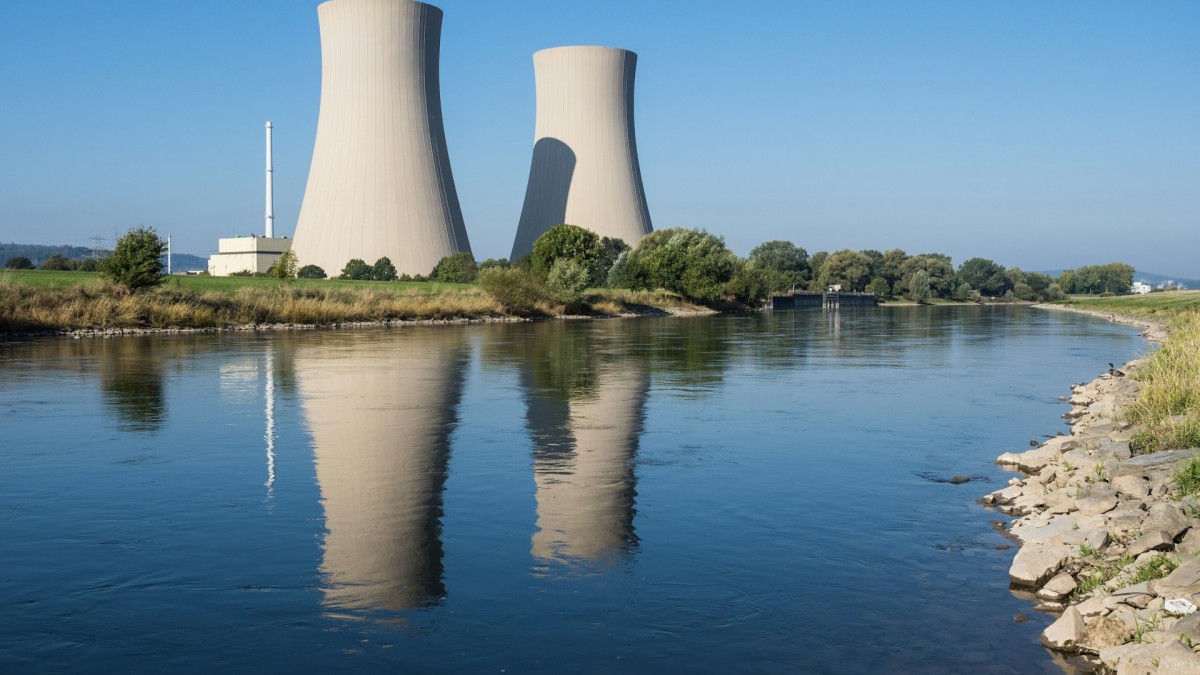
Severe heat conditions gripping Europe this summer have created significant operational challenges for the region’s nuclear power infrastructure. Multiple heatwaves have brought record temperatures, prolonged drought, and wildfires to areas unaccustomed to such conditions, prompting water rationing and emergency alerts across various countries. The combination of these factors has created a critical situation for facilities that depend on adequate water supply for cooling operations.
Nuclear plants convert approximately one-third of reactor heat into electricity, with the remaining thermal energy requiring dispersal through environmental cooling systems. During periods of low water levels, waste heat concentrates in a smaller volume of liquid, causing rapid temperature increases. Environmental regulations mandate temperature limits to protect aquatic life, as warmer water contains reduced oxygen levels. These constraints have forced multiple operators to curtail or suspend electricity generation in recent weeks.
Specific impacts have been documented across the region. Romania’s Nuclearelectrica disconnected its sole operating reactor in August due to critically low Danube River levels, despite government dredging efforts and underwater explosions intended to improve water flow to the Cernavoda facility, which normally supplies approximately one-fifth of Romania’s electricity. Hungary’s Paks nuclear plant, typically generating around 40 percent of national electricity demand, operated with only one of four turbine units during peak low-water periods on the Danube, though recent rainfall allowed partial resumption of operations. France, which relies on nuclear energy for more than two-thirds of its electricity supply, faced potential offline status for up to 15 percent of its nuclear capacity in August. Additionally, EDF shut down three reactors at Gravelines in northern France due to jellyfish proliferation, marking the second consecutive year this phenomenon disrupted operations.
Economic consequences have proven substantial. A Dutch banking analysis projected economic losses near $207.7 billion across the European Union, approximately 1 percent of regional GDP, with France potentially experiencing GDP reductions of 1.4 percentage points. Reduced agricultural output, elevated food prices, constrained energy production, transportation disruptions, and diminished labor productivity collectively contributed to forecasted economic damage.
Governments are examining potential remedies, including constructing new facilities near coastal areas, upgrading cooling infrastructure, and scheduling maintenance during non-peak heat periods. These measures face urgency as climate change increases the frequency of heatwaves and droughts, while concurrent fossil fuel supply constraints from geopolitical disruptions have intensified reliance on both nuclear and renewable energy sources.
Article Attribution | Read More at Article Source
Article summary produced by Claude AI