

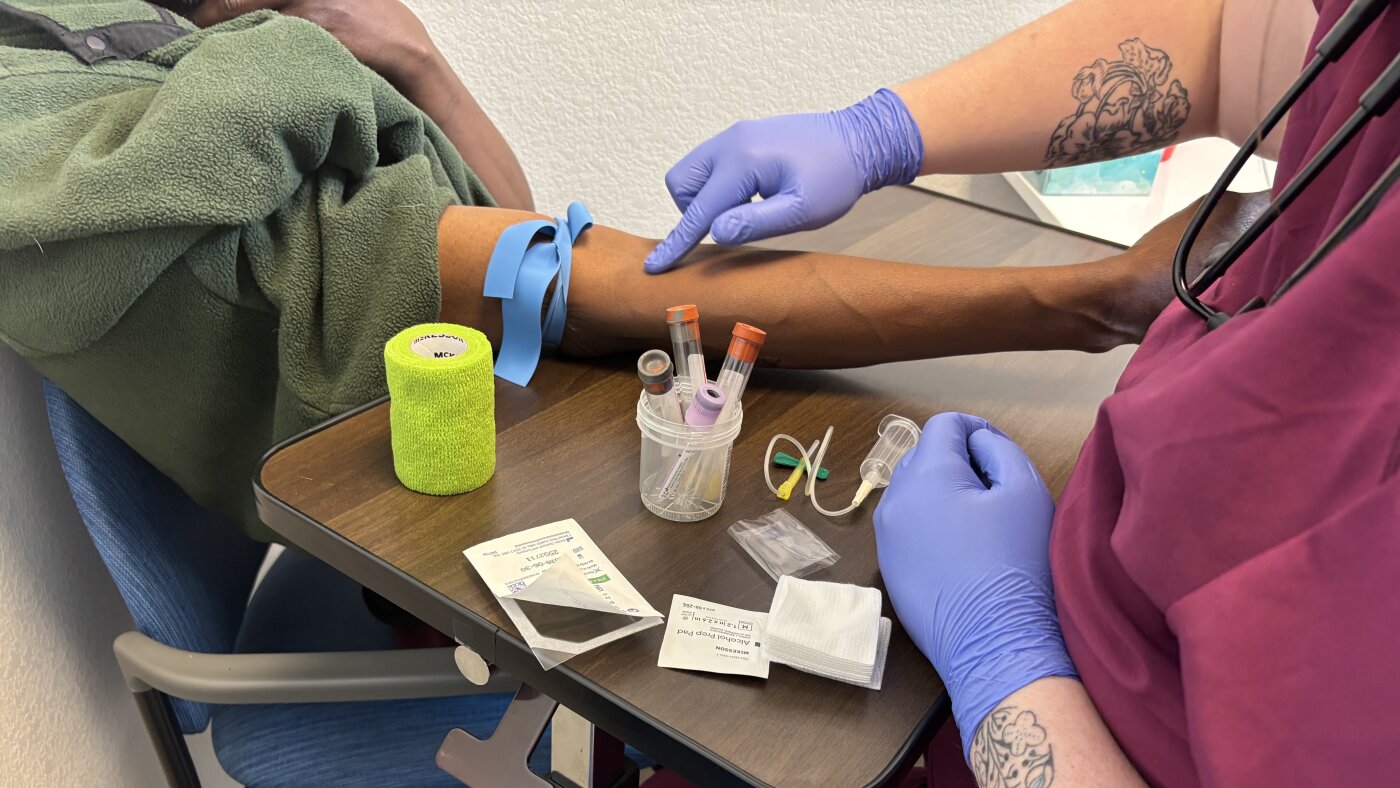
The federal government has finalized regulations requiring millions of Medicaid recipients to demonstrate work, volunteer service, or school enrollment to maintain their benefits, with implementation beginning in January. The Trump administration established exemptions for seniors, pregnant individuals, people with disabilities, and Native Americans, but declined to include homelessness as an automatic exemption category.
Several states, including Montana, Arkansas, Kentucky, and Utah, had previously sought to include homelessness in their exemption lists, but federal officials have mandated adherence to the centralized exemption criteria. While officials have indicated that homeless individuals might qualify under other exemptions such as medical frailty standards, experts say these pathways require documentation that can be difficult for unhoused populations to obtain. Montana plans to begin removing non-compliant enrollees from Medicaid coverage in October, with a 30-day period for individuals to demonstrate eligibility for exemptions.
Homelessness in the United States has increased significantly in recent years, with approximately 746,000 people experiencing homelessness. Approximately 55 percent of individuals receiving services through the nation’s roughly 300 Health Care for the Homeless programs were enrolled in Medicaid as of 2023. The Congressional Budget Office projects the work requirements will increase the uninsured population by over 5 million people by 2034, and 25 states have filed lawsuits challenging the regulations.
Caseworkers and health advocates express concern that homeless individuals face substantial barriers to meeting documentation requirements and maintaining employment, particularly those managing chronic health conditions or substance use disorders. They note that individuals experiencing homelessness often struggle to attend medical appointments, secure stable documentation, or maintain consistent work arrangements necessary to demonstrate compliance. Community health centers that serve low-income populations warn that losing large numbers of insured patients could threaten their financial viability despite continued federal funding mechanisms for uninsured care.
Article Attribution | Read More at Article Source
Article summary produced by Claude AI