

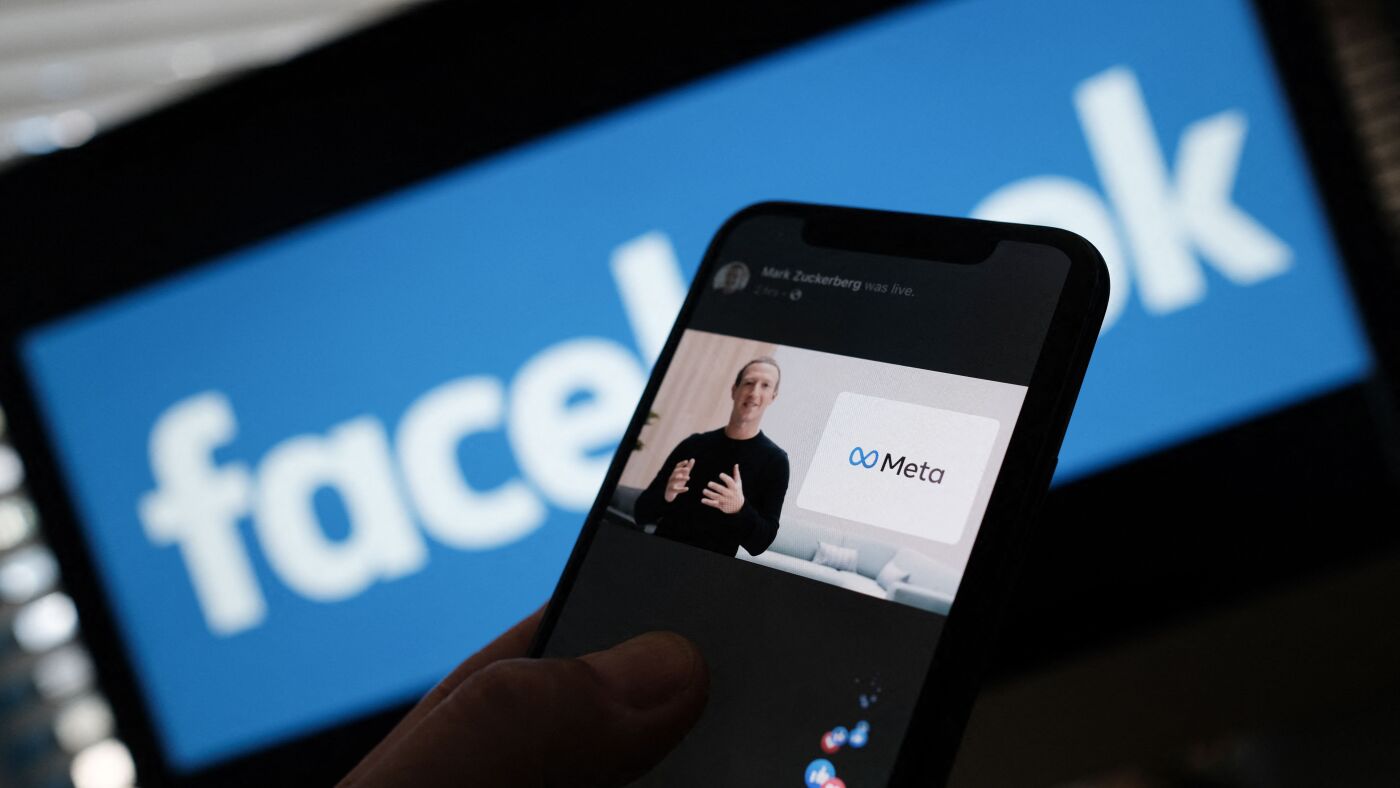
Meta Platforms entered federal court proceedings as four state attorneys general—from California, Colorado, Kentucky, and New Jersey—brought forward allegations that the company deliberately engineered its social media platforms to capture and maintain children’s attention. The states are seeking up to $1.4 trillion in penalties and product modifications, claiming Meta violated consumer protection statutes and the Children’s Online Privacy Protection Act.
According to the complaint, Meta incorporated specific design elements including the “like” button, infinite-scroll functionality, and algorithmic recommendation systems to encourage prolonged and compulsive usage among young users. The attorneys general contend that Meta prioritized user engagement over the safety and wellbeing of minors, resulting in disrupted sleep patterns, educational interference, and documented harms such as eating disorders and body image issues. The states further assert that Meta made misleading public statements about its commitment to youth safety while simultaneously collecting personal information from children under 13 without parental authorization.
Meta disputed the allegations in a statement, characterizing the states’ claims as unsubstantiated and the financial demands as disproportionate. The company emphasized its record of implementing protections for teenage users and noted that the states failed to demonstrate actual deception of residents.
The litigation represents a significant escalation in a broader wave of legal action against social media platforms, with experts drawing comparisons to landmark cases against tobacco and opioid manufacturers. Meta has already faced adverse outcomes in two state court cases earlier this year, including a jury verdict awarding $6 million in damages and a judicial order requiring $567 million in payments and safety implementation.
Legal scholars noted potential complexities in separating claims about addictive design features from claims about harmful content. Observers expect the proceedings to examine discrepancies between Meta’s public statements and internal communications regarding platform effects on minors, with implications extending beyond the immediate case to influence public perception, regulatory approaches, and potential legislative action.
Article Attribution | Read More at Article Source
Article summary produced by Claude AI