

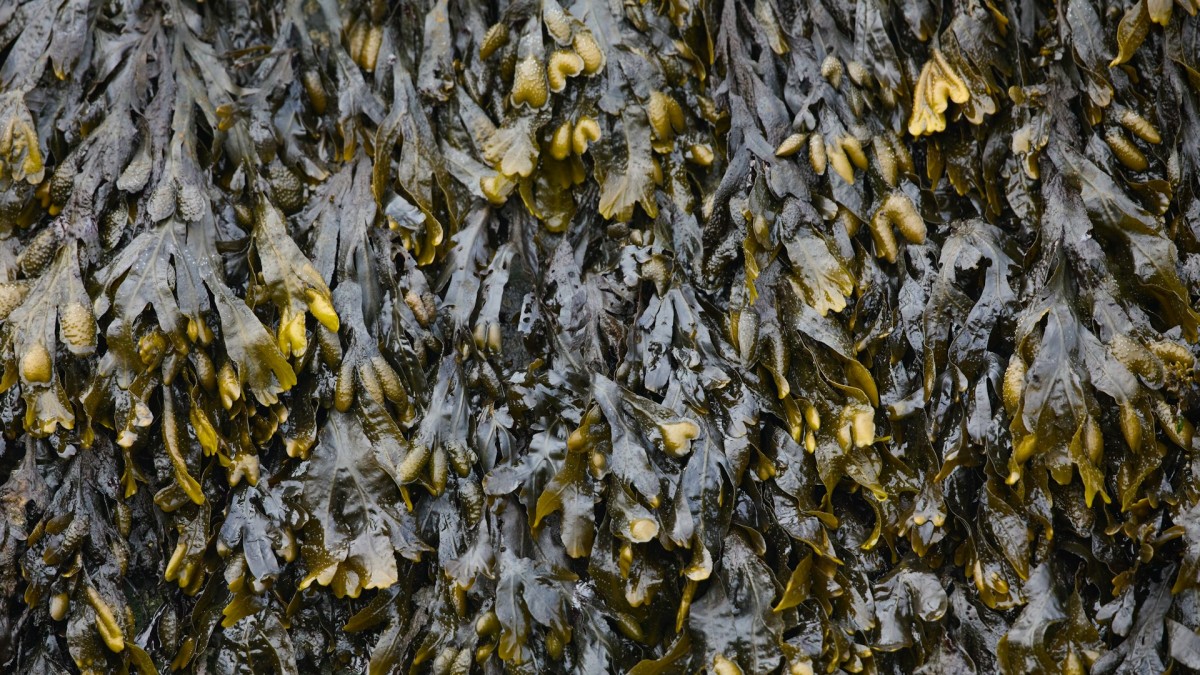
Mexico has confronted a growing sargassum crisis over the past 15 years, with massive quantities of brown seaweed accumulating on beaches along the Caribbean coast. Approximately 9,000 tons of the algae wash ashore daily, creating significant challenges for major tourism destinations including Cancun, Tulum, and Playa del Carmen. The persistent problem has prompted substantial government expenditures, with annual sargassum management costs reaching roughly $2 billion, equivalent to approximately 11 percent of local regional GDP.
The seaweed poses multiple challenges beyond aesthetics. Sargassum releases an unpleasant odor resembling rotten eggs and generates methane as it decomposes. While not considered a major public health threat, the seaweed can affect individuals in vulnerable populations and workers frequently exposed to it. Tourism has suffered as visitors avoid affected beaches due to the smell, swimming restrictions, and visual impact, with some tourists redirecting visits to alternative destinations such as Mexico’s Pacific coast.
In July, President Claudia Sheinbaum announced a $115 million initiative to address the escalating sargassum problem. The program includes deployment of large vessels to intercept seaweed before reaching shore and installation of 30 miles of containment barriers in critical areas. Current collection capacity stands at approximately 2,200 metric tonnes daily, with plans to increase this to roughly 4,000 tonnes by 2027.
Simultaneously, Mexican authorities are exploring economic applications for sargassum. The government is partnering with Japan to develop ocean-monitoring technology and specialized equipment for cleanup efforts. Research initiatives are investigating conversion of the seaweed into commercially viable products including biofuels, fertilizers, building materials, and bioplastics. A facility planned by the Quintana Roo state government aims to convert sargassum into biomethane through biodigestion processes.
Recent assessments have identified significant potential for sargassum utilization. Mexican government departments and research institutions are developing methods to produce energy from the seaweed while managing arsenic content, and exploring its application as an organic construction material. Officials report that nearly 40 sargassum-related projects are already producing various products, with at least 11 showing potential for industrial scaling.
Article Attribution | Read More at Article Source
Article summary produced by Claude AI