

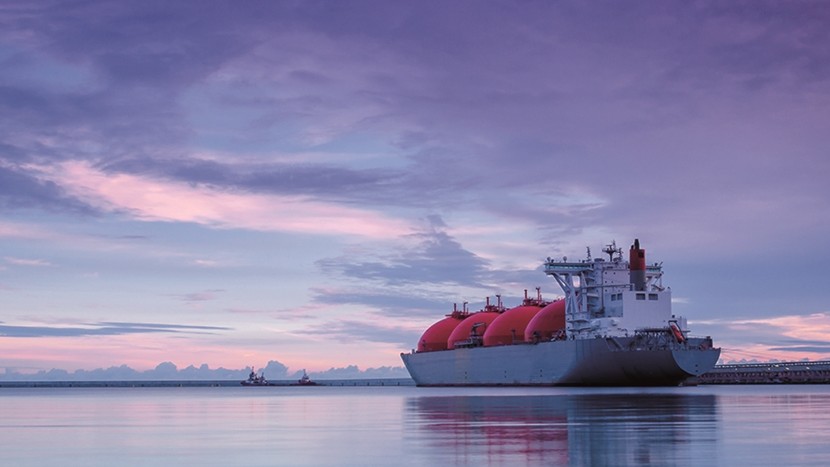
The ongoing Middle East conflict has created significant disruptions in global liquefied natural gas markets, potentially reshaping long-term demand forecasts for the sector. Shell’s recent projections anticipated LNG demand reaching approximately 700 million tons annually by 2050, representing a 65% increase from 2025 levels, driven by countries seeking reliable energy security. However, the war’s impact on the world’s largest liquefaction facility in Qatar has undermined these growth assumptions.
LNG prices have experienced substantial increases since the conflict intensified, with costs doubling from January levels. Market participants report that buyers who paid $10 per million British thermal units at the start of the year were paying $20 to $22 per unit through much of the following months. These elevated prices are dampening global demand, with some analysts estimating a potential 8% decline in LNG consumption this year compared to the previous year if Persian Gulf exports remain constrained. Several nations, including Pakistan, have nonetheless continued purchasing liquefied gas at premium prices during peak demand seasons, while others have substituted coal-generated electricity for expensive LNG imports.
Regional impacts vary considerably. Asian markets, including Japan, have increased coal consumption in response to high gas prices. Europe faces challenges in replenishing gas storage due to elevated LNG costs, while China benefits from access to both Russian pipeline gas and liquefied imports. Recent attacks on vessels in the Strait of Hormuz suggest the disruption will likely persist, as diplomatic resolution efforts remain limited.
Longer-term supply dynamics may provide some relief. The United States, already the world’s largest LNG exporter, is expanding liquefaction capacity, while new global capacity totaling 207 million tons annually is expected to come online by 2030. However, significant uncertainty remains regarding demand adequacy for additional supply. Historical commodity cycles suggest prices will eventually normalize, restoring demand growth once supplies stabilize and costs decline.
Article Attribution | Read More at Article Source
Article summary produced by Claude AI