

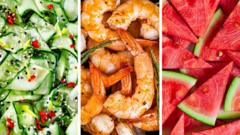
With temperatures reaching 30C (86F) in parts of the UK this week, dietary adjustments may help people cope with extreme heat. Nutrition experts indicate that changing eating patterns during hot weather is worth considering, particularly since many individuals experience reduced appetite when temperatures rise.
Protein consumption does not need to increase during a heatwave, according to nutrition specialists. However, traditional protein sources like meat, chicken and fish typically require cooking methods that generate significant kitchen heat. Alternative cooking appliances such as air fryers and slow cookers offer more efficient options. Air fryers use less than half the energy of conventional ovens and produce less ambient heat, while slow cookers, despite longer cooking times, typically release even less heat into the kitchen. Non-traditional protein sources including lentils, nuts, milk, tofu and cheese provide alternatives that require minimal or no cooking. Experts recommend bean salads, eggs, pre-cooked meats, Greek yoghurt, smoothies with peanut butter, and lighter fish options like tuna, salmon and prawns.
Hydration becomes critical during hot weather as the body loses water through perspiration. The NHS normally recommends six to eight glasses of fluid daily, though heatwaves may require increased consumption. Individual hydration needs vary based on factors including age, body size, activity levels and health status. Notably, hydration extends beyond drinking alone; fruits and vegetables provide significant water content. Cucumber, tomatoes, lettuce, celery, watermelon and strawberries contain above 90% water, while apples, carrots, cooked broccoli and pears range from 80% to 89% water content.
Temperature of beverages does not substantially affect hydration effectiveness. Research indicates that both warm and cold drinks cool the body similarly, as the body regulates core temperature around 37 degrees celsius through perspiration rates. Caffeine consumption warrants moderation, as one or two daily coffees have minimal dehydration effects, but five or six cups begin impacting hydration levels. Alcohol also contributes to dehydration. Urine color serves as a practical hydration indicator, with pale yellow suggesting adequate hydration and darker shades signaling dehydration requiring increased fluid intake.
Article Attribution | Read More at Article Source
Article summary produced by Claude AI