

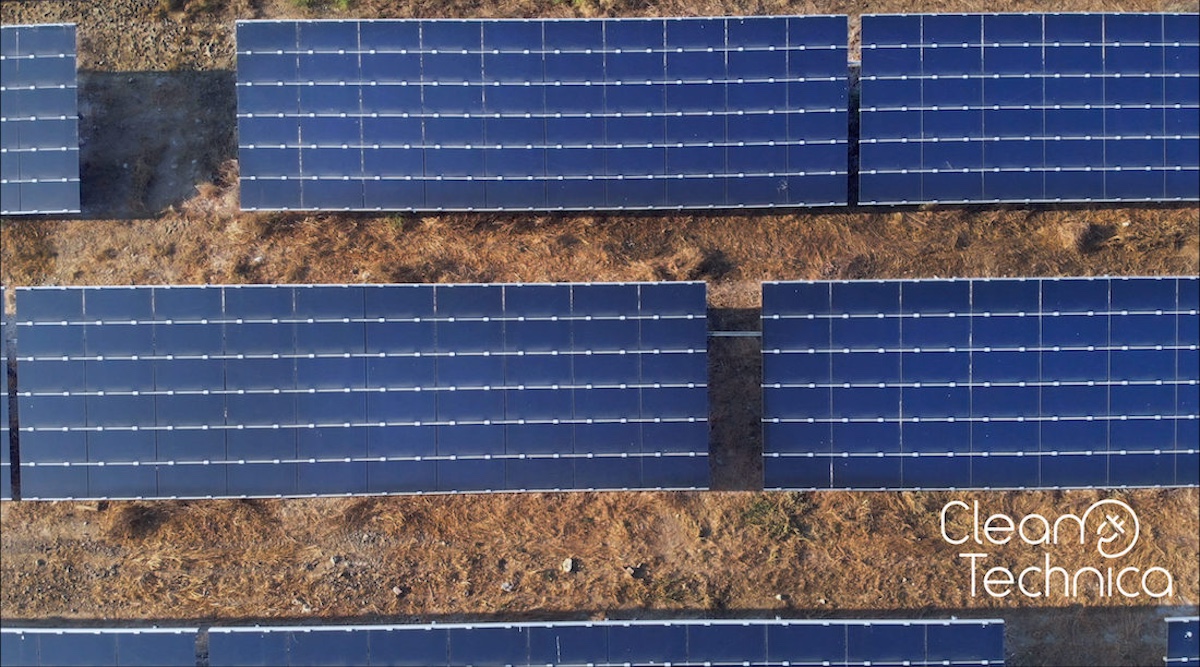
Europe’s electricity generation landscape has undergone a significant transformation, with wind and solar power now supplying more electricity than methane-fired generating stations. This shift accelerated following Russia’s invasion of Ukraine in 2022, which disrupted traditional methane supplies and prompted rapid development of renewable energy alternatives across the continent.
Capacity data demonstrates the scale of the transition. Wind and solar capacity has grown from under 20 gigawatts to nearly 750 GW over the past quarter century, while methane-fired capacity increased from 250 GW to approximately 400 GW during the same period. This means Europe now has nearly twice as much installed renewable capacity as methane-fired capacity. Throughout 2025 and 2026, renewable generation has matched or exceeded gas output for extended periods, representing what analysts describe as a structural market shift rather than temporary fluctuations caused by weather patterns.
The implications for Europe’s energy system are substantial. Monthly renewable output now ranges between 80 and 110 terawatt-hours, steadily eroding the role of methane-fired generation. Traditional patterns of methane demand—with lower usage during spring and summer months and peaks in winter—are being disrupted as renewables increasingly dominate generation during the April through October period. This changing demand profile raises fundamental questions about storage requirements and inventory management, shifting the debate from whether Europe has sufficient methane supplies to how much the continent actually needs.
Despite progress on renewable deployment, structural dependencies persist. The European Union continues importing approximately 90 percent of its consumed methane, with reliance shifting from Russian supplies to liquefied natural gas, predominantly from the United States, which accounted for 58 percent of European LNG imports in 2025. Energy regulators have cautioned that this concentration of LNG imports exposes Europe to greater global price volatility and geopolitical risks. The EU Agency for the Cooperation of Energy Regulators warns that methane continues to set electricity prices in European wholesale markets even when cheaper renewable alternatives are available, creating ongoing exposure to volatile international pricing.
Policymakers emphasize that securing Europe’s energy future requires both expanding homegrown renewable capacity and reducing dependency on fossil fuel imports. Officials have characterized the transition as essential to energy security and climate resilience, though analysts note that achieving a permanent shift away from methane will require comprehensive strategy beyond emergency response measures implemented following supply disruptions.
Article Attribution | Read More at Article Source
Article summary produced by Claude AI