

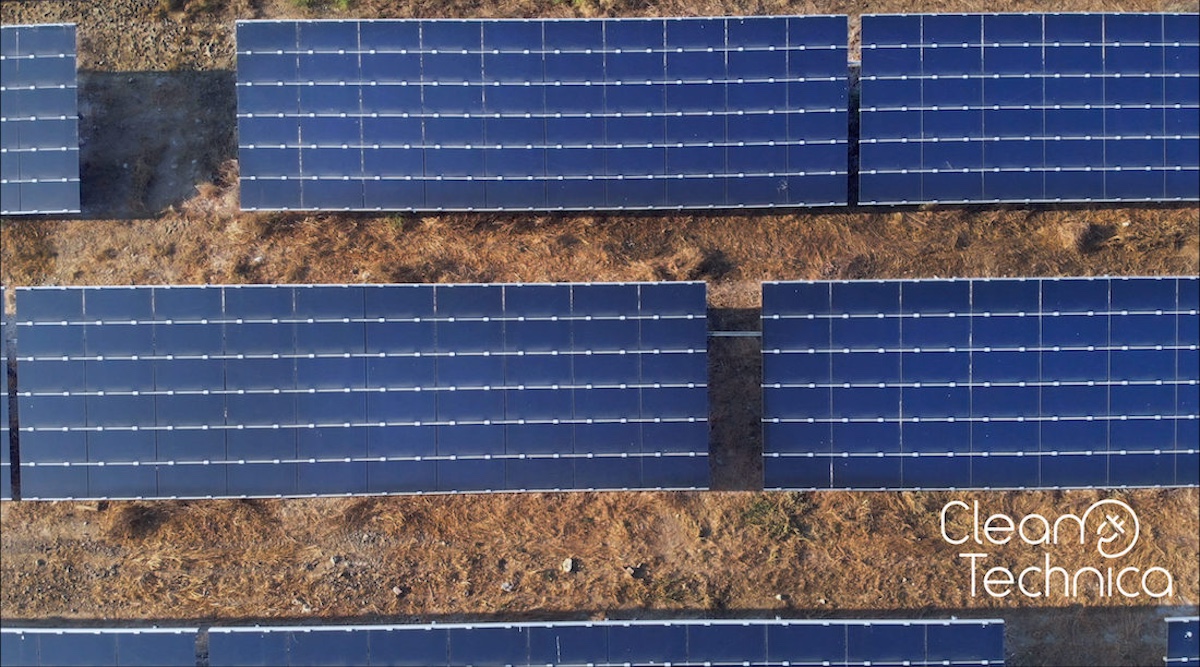
Renewable energy sources have increasingly displaced methane as Europe’s primary electricity generator, representing a significant shift in the continent’s energy landscape. Since Russia’s 2022 invasion of Ukraine disrupted methane supplies, European nations accelerated wind and solar installations to record levels. Currently, solar and wind output ranges between 80 and 110 terawatt-hours monthly, while gas-fired generation continues declining. This transition reflects not temporary weather variations but fundamental changes in generation infrastructure, as Europe’s wind and solar capacity has grown to approximately 750 gigawatts compared to 400 gigawatts of methane-fired capacity.
The implications for Europe’s energy market are substantial. Historically, methane served as the backbone of Europe’s power system, with demand peaking during winter months. Renewable sources now dominate electricity generation from April through October, and utilities have achieved multi-year lows in coal and methane consumption during 2026. This shift raises questions about gas storage requirements, as Europe may no longer need to stockpile methane at previous levels if power sector demand continues shrinking. The debate has shifted from whether Europe has sufficient gas supplies to determining how much gas the continent actually requires.
However, Europe’s energy independence remains incomplete. The continent still imports nearly 90 percent of its consumed gas, increasingly from liquefied natural gas sources. United States LNG accounted for 58 percent of Europe’s total LNG imports in 2025, creating new dependencies replacing previous Russian supplies. Energy security advocates emphasize that sustainable independence requires ending fossil fuel reliance entirely rather than substituting one supplier for another. Renewable energy deployment, including solar, heat pumps, and district heating systems, could reduce Europe’s annual imported fossil gas demand by up to 74.6 billion cubic meters by 2030, according to analyses of technological potential.
Policymakers and energy experts argue that renewable energy offers Europe genuine long-term security. Once renewable capacity reaches sufficient levels, fossil fuel generation becomes a mathematical consequence rather than a policy choice. Renewable sources provide price stability independent of geopolitical disruptions and global supply chains, offering protection against volatile energy markets. The coming years will determine whether Europe consolidates its renewable gains through comprehensive strategies or reverts to fossil fuel dependencies through incremental policy decisions.
Article Attribution | Read More at Article Source
Article summary produced by Claude AI