

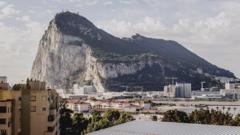
Gibraltar, a British Overseas Territory with approximately 40,000 residents, is preparing to dismantle border controls with Spain following a negotiated agreement between the European Union and the United Kingdom. The removal, scheduled for July 15, represents a significant shift for a territory that has maintained frontier restrictions since 1908. Currently, around 15,000 Spanish workers cross into Gibraltar daily, often facing substantial queues during peak hours.
The agreement emerged from negotiations addressing Gibraltar’s unique position as a land border territory between the UK and EU following Britain’s departure from the bloc. Under the new arrangement, Gibraltar will align with the European customs union and the Schengen free travel zone, though visitors from outside Schengen nations will still require passport checks at the airport and port. Chief Minister Fabian Picardo characterized the accord as introducing “complete and utter fluidity of people and goods” between Gibraltar and Spain.
The border removal is expected to yield substantial economic benefits for both territories. La Línea de la Concepción, the Spanish town adjoining Gibraltar, faces significant economic challenges, with unemployment near 30 percent, and local businesses report that approximately one-third of their revenue derives from Gibraltarian clients. Mayor Juan Franco emphasized the historic nature of the development, noting that the border fence has defined the region for over a century. Increased foot traffic and reduced logistical barriers are anticipated to boost business activity on both sides.
However, the arrangement introduces regulatory and financial changes that present challenges for Gibraltar’s business community. Goods sold in Gibraltar must now comply with EU regulations, and a new transaction tax system is being implemented, beginning at 15 percent and rising to 17 percent, replacing the previous import duty structure. Business operators acknowledge these changes as a “good compromise” that resolves prolonged uncertainty but express concerns about increased paperwork requirements and competitiveness impacts. The agreement concludes a decade of uncertainty regarding Gibraltar’s post-Brexit relationship with Spain and the EU.
Article Attribution | Read More at Article Source
Article summary produced by Claude AI