

Research from the Food Systems Countdown Initiative reveals significant gaps between current progress on food system sustainability and internationally established targets. The study, published in Nature Food earlier this month, examines progress toward Sustainable Development Goals set by United Nations member countries a decade ago, which aim to eliminate hunger and poverty by 2030. The analysis also evaluates alignment with net-zero emissions objectives outlined in the Paris Agreement. According to the researchers, most of these objectives are no longer achievable within the specified timeframe.
The report introduces a novel approach by measuring advancement both globally and regionally across approximately 50 metrics. An accompanying interactive dashboard tracks how countries worldwide are progressing on measures including dietary costs, produce availability, crop productivity, and agricultural greenhouse gas emissions. The findings paint a particularly challenging picture regarding environmental and climate-related indicators, particularly emissions from agricultural production.
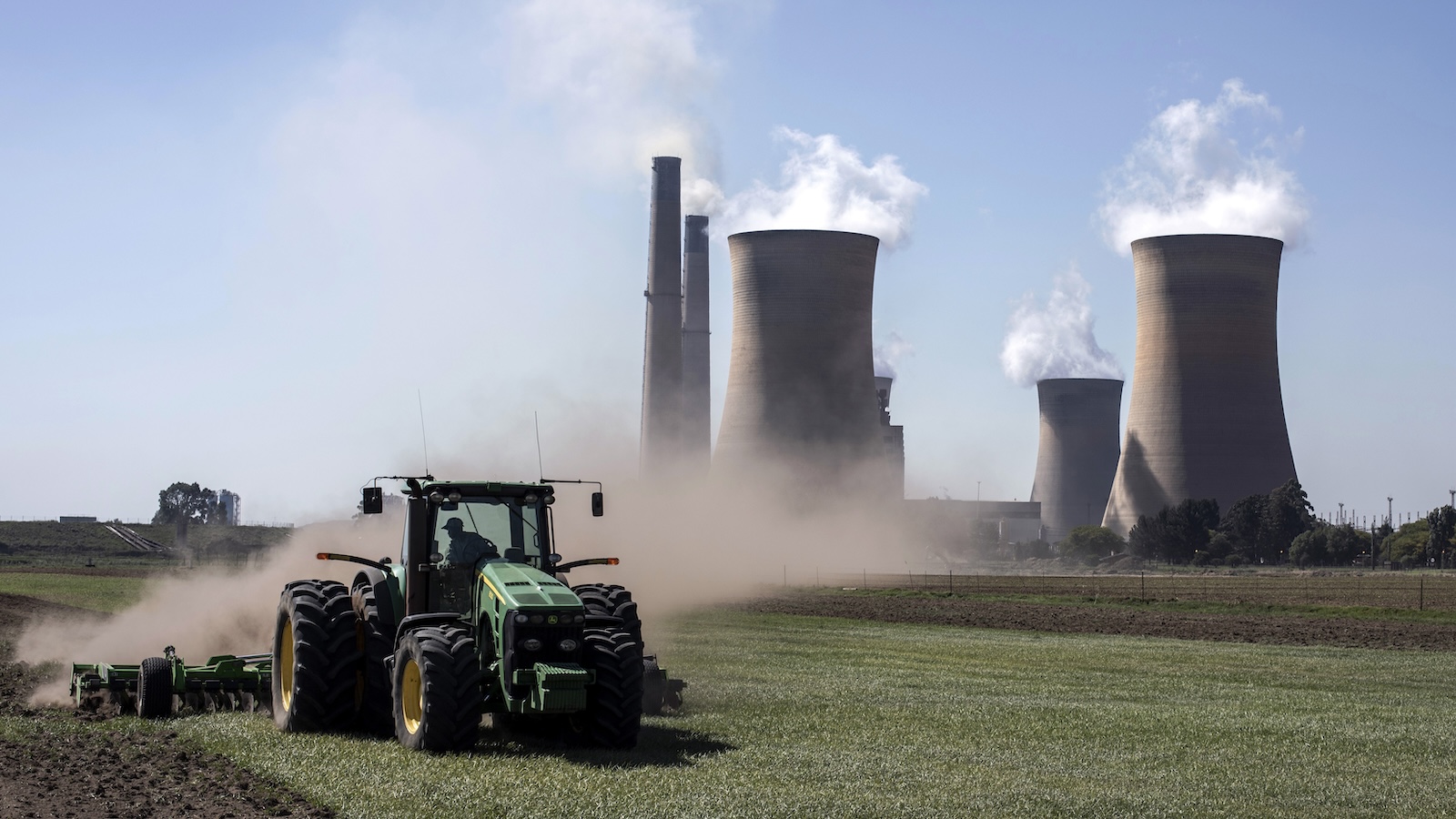
Agricultural and food systems contribute roughly one-third of global human-caused greenhouse gas emissions, according to the United Nations Food and Agricultural Organization. The research indicates that emissions from these sectors are moving in an unfavorable direction worldwide. To achieve net-zero agricultural emissions by 2030, every global region would need to accelerate progress by approximately 70 percent annually for the next four years—a threshold lead author Bianca Carducci describes as unrealistic, given that most countries typically advance around 5 percent yearly on comparable indicators.
However, researchers caution against interpreting findings in overly binary terms. Progress assessment requires holistic evaluation, as individual countries may perform well on certain metrics while stagnating on others. An interactive analysis of the data reveals complex interdependencies among different measures, with greenhouse gas emissions influenced by cropland modifications, agricultural yields, water usage, fisheries, and civic engagement. When researchers extended the deadline to 2050, regions demonstrated substantially improved alignment with nutrition and environmental objectives, suggesting that adjusted timelines may better reflect realistic implementation pathways while maintaining momentum for improvement.
Article Attribution | Read More at Article Source
Article summary produced by Claude AI