

California’s high-speed rail initiative, funded by a $10 billion voter-approved bond measure in 2008, is pursuing private investment to help finance its ambitious expansion plans. The project has historically relied on public funding, with federal support fluctuating based on changes in presidential administration. After legal disputes with the federal government, state officials determined they needed alternative sources of capital to realize the full scope of the transportation system.
The California High-Speed Rail Authority announced a $25 million agreement with a business consortium to develop funding strategies over the next six months. This partnership aims to explore how private capital might advance the project beyond the Central Valley into San Francisco and Los Angeles. Agency leadership has repositioned the initiative around a more commercially focused approach, emphasizing long-term market potential and economic sustainability.
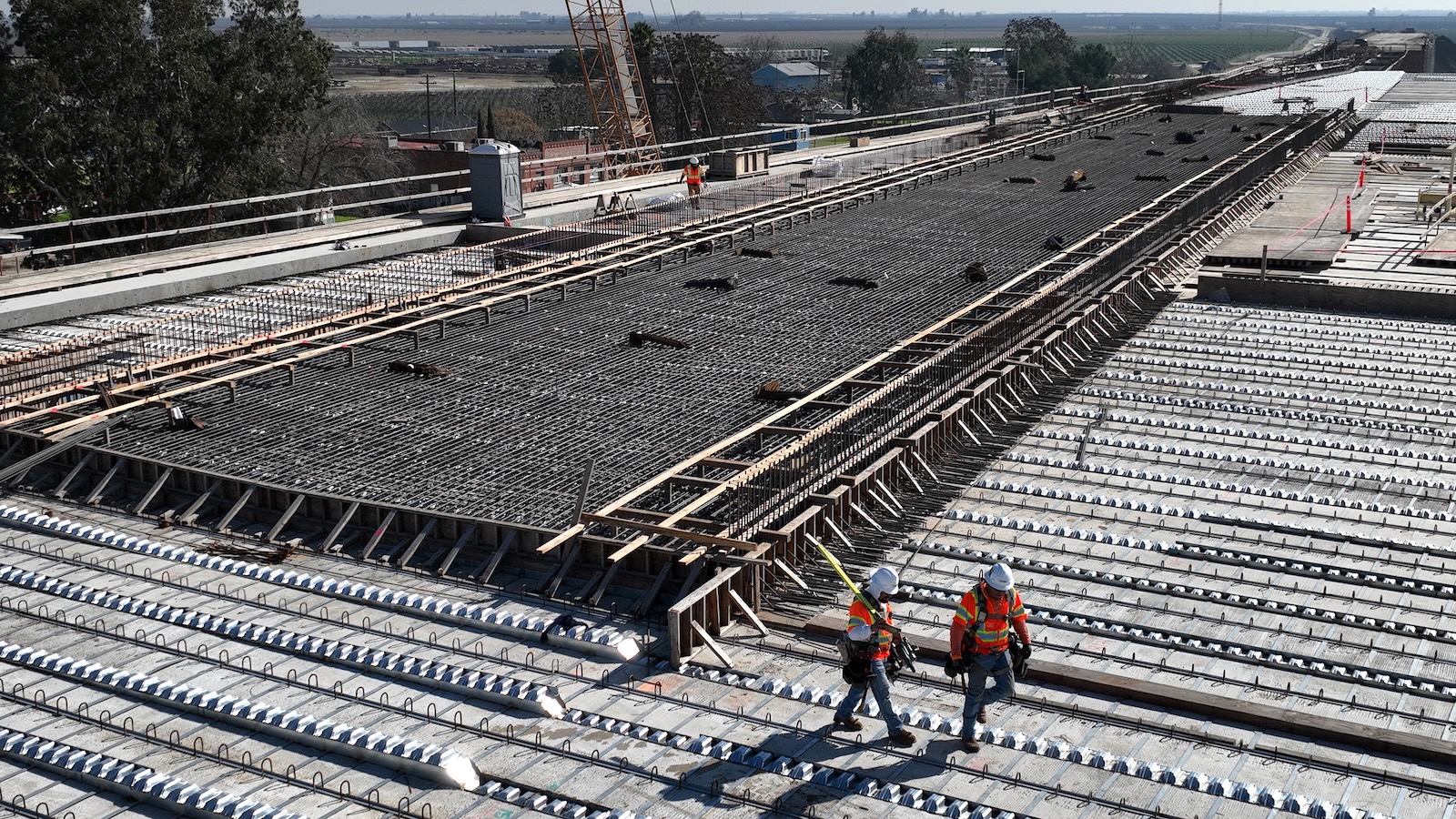
Construction has progressed in the Central Valley, where the first phase will connect Merced and Bakersfield. Crews have completed numerous bridges and viaducts and laid approximately 90 miles of guideway. The full San Francisco-to-Los Angeles connection is projected to cost $126 billion with service expected to begin in 2040. The state committed $1 billion annually to finance the project through 2045.
Experts offer varying perspectives on the likelihood of substantial private investment. Some academic observers note the agreement represents exploration rather than concrete commitments, noting that private capital typically requires guaranteed revenue streams and profit assurance. Others identify secondary investment opportunities in areas such as residential and commercial development around stations, fiber optic infrastructure, and energy production rather than in rail financing itself.
Transportation analysts suggest the initiative demonstrates California’s willingness to pursue creative solutions despite significant remaining financial challenges. Federal support remains limited, making private sector engagement potentially critical to accelerating project completion. Project leadership maintains that establishing the venture with private companies provides confidence in timeline execution and reinforces commitment to transforming the corridor into a self-sustaining economic development engine.
Article Attribution | Read More at Article Source
Article summary produced by Claude AI