

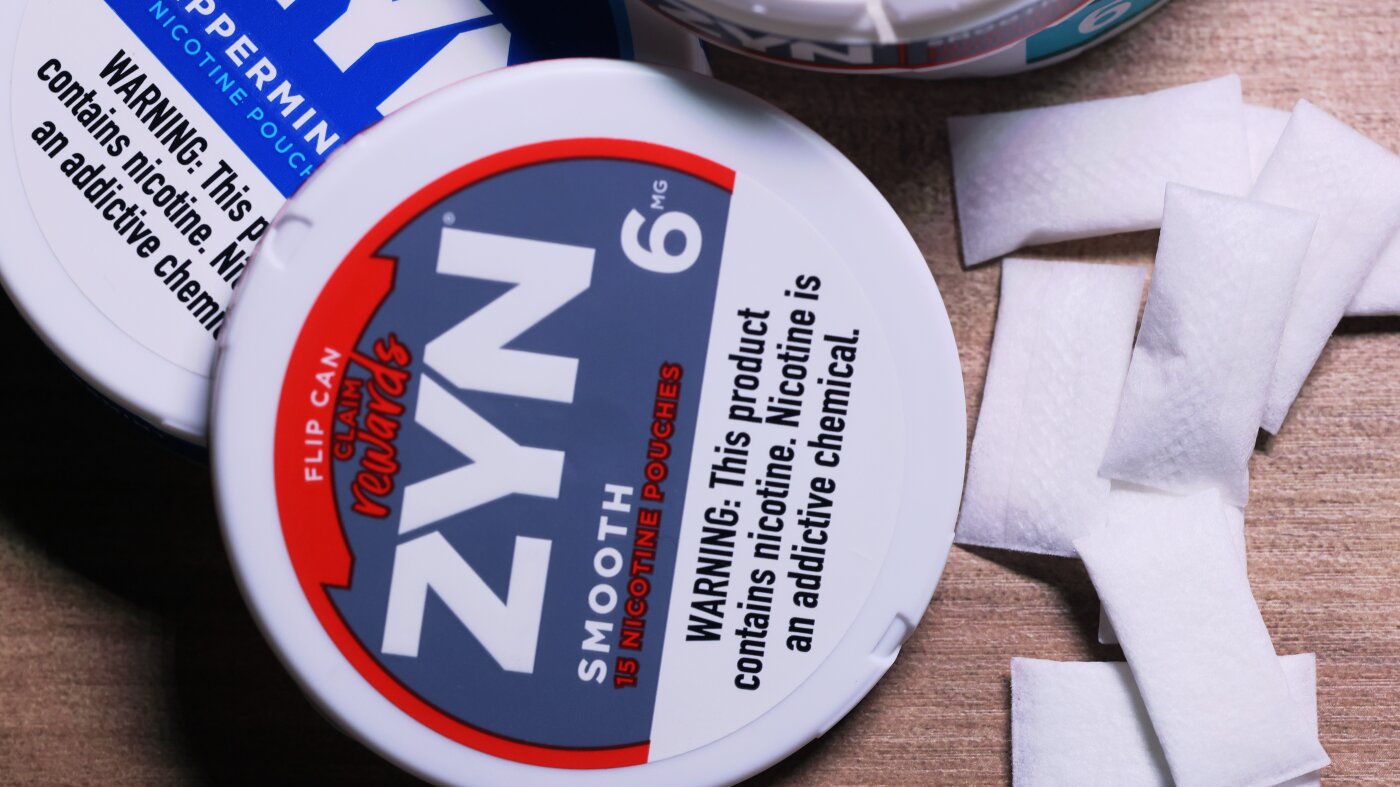
The Food and Drug Administration recently authorized Zyn, a popular nicotine pouch brand, to market its products as presenting lower risk than cigarettes for mouth cancer, heart disease, lung cancer, stroke, emphysema, and chronic bronchitis. The pouches, small white fiber packets placed between the lip and gum, deliver nicotine discreetly and come in flavors including Cool Mint and Smooth. The FDA stated the authorization would provide consumers with science-based information to make informed choices about tobacco products.
Proponents of nicotine pouches contend they represent a meaningful harm reduction tool, particularly for heavy smokers seeking to quit. Experts note that inhaling smoke from burning tobacco exposes users to thousands of harmful chemicals absent in pouches. Some researchers view the products as potentially helpful in addressing the hundreds of thousands of annual tobacco-related deaths in the United States. The manufacturer stated that nicotine remains addictive and not risk-free, while acknowledging the products could offer an alternative to smoking.
Critics raise several concerns about the authorization and marketing approach. Researchers point out that long-term health effects remain unknown, noting that understanding cigarette harms required over 50 years of study. Some experts worry about the use of flavored options and lifestyle-oriented marketing that may appeal to young people. Additionally, the pouches are not approved smoking cessation devices like nicotine gum or patches.
Youth usage trends have alarmed public health officials. Data from the Monitoring the Future study showed lifetime use of nicotine pouches among 12th graders increased from 6.8 percent to 10.0 percent between 2024 and 2025, with 4.4 percent reporting use within the previous month. Experts emphasize that adolescent use poses particular risks due to nicotine’s effects on developing brains. Schools report finding pouches as litter and struggling to enforce bans due to the products’ concealability. The Department of Health and Human Services reaffirmed its commitment to preventing youth access while noting no tobacco product is safe.
Article Attribution | Read More at Article Source
Article summary produced by Claude AI