

Tensions have escalated between Nigeria and the three-nation Alliance of Sahel States (AES)—comprising Burkina Faso, Mali, and Niger—despite facing common security challenges in the region. In December 2025, Burkina Faso detained 11 Nigerian Air Force personnel after their transport aircraft made an emergency landing, citing unauthorized airspace entry. While Nigerian officials attributed the landing to technical difficulties, the incident exemplified the broader political strain between the nations. The three AES countries, which formed their alliance in September 2023 and withdrew from the West African economic bloc ECOWAS effective January 29, 2025, have increasingly positioned themselves apart from Nigeria.
The rift has been compounded by disputes over security assessments and regional cooperation. In July, Nigerian President Bola Tinubu characterized security conditions in the three AES states as exacerbating Nigeria’s own challenges, prompting sharp rejections from Burkina Faso, Mali, and Niger, who argued they faced identical threats. The political breakdown has undermined critical counterterrorism coordination, particularly following Niger’s withdrawal from the Multinational Joint Task Force in March 2025. Experts note that this deterioration creates vulnerabilities, as groups including ISWAP and al-Qaeda-linked organizations operate across borders without regard for political boundaries.
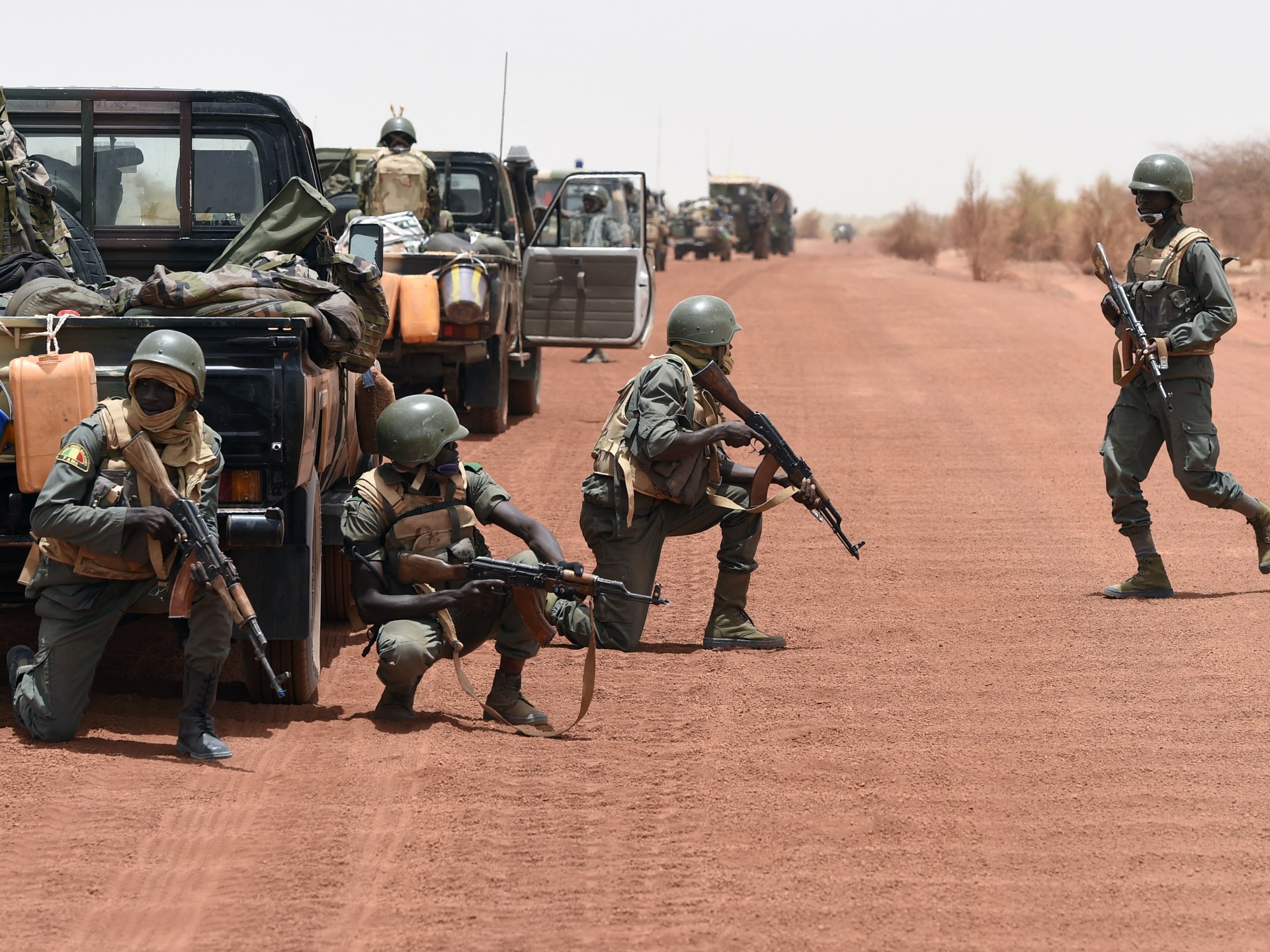
Parallel security incidents underscore the region’s instability. Coordinated attacks in Mali on April 25, 2026, killed Defence Minister Sadio Camara, involving unusual cooperation between JNIM and the Tuareg-led FLA. Meanwhile, ISWAP remains active in southeastern Niger, and both Boko Haram and ISWAP continue threatening Nigeria. Analysts warn that the political rupture risks allowing armed groups to exploit poorly coordinated security gaps across the Liptako-Gourma region and northern Nigeria.
The divide also raises uncertainty over trade and regional mobility. Nigeria serves as West Africa’s largest economy and a critical market for goods transiting the Sahel corridor, with established cross-border trade and labor migration patterns with all three AES states. Though ECOWAS pledged to maintain visa-free movement and existing trade arrangements pending new terms, traders and workers face growing uncertainty about border procedures and regulations as diplomatic relations deteriorate further.
Article Attribution | Read More at Article Source
Article summary produced by Claude AI