

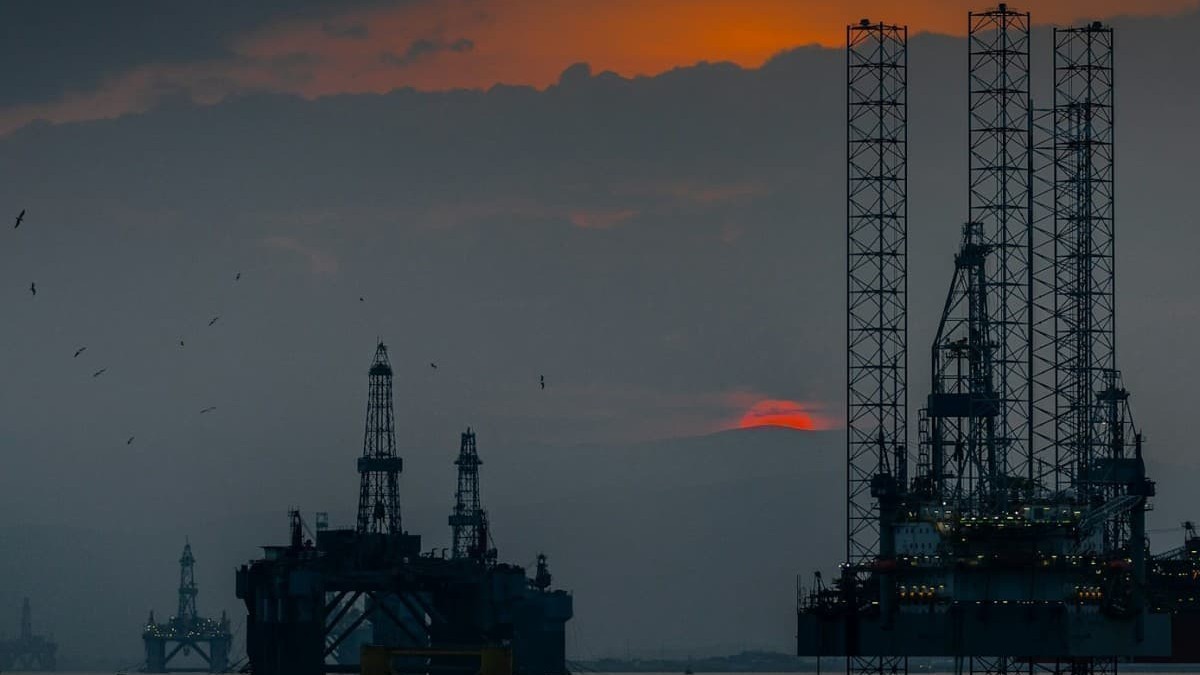
Norway’s Energy Minister Terje Aasland has signaled the country intends to pursue oil and gas development in the Barents Sea, rejecting a European Union proposal for an Arctic drilling moratorium. Simultaneously, Aasland has criticized the longstanding characterization of Norway as Europe’s “green battery,” suggesting this vision for Norwegian hydropower’s role in the continent’s energy transition is flawed.
These statements have been interpreted as a break from Brussels, but the situation reflects a more nuanced dynamic. Norway, which is not an EU member, retains sovereignty over petroleum extraction decisions on its continental shelf and faces no direct EU drilling ban. The country’s actual position involves continuing to supply Europe with oil, gas, and electricity while managing the domestic political consequences of participation in an integrated energy market. Since Russia’s invasion of Ukraine, Norway has become Europe’s largest gas supplier, providing approximately 30 percent of combined EU and British demand and generating substantial petroleum revenues projected at NOK 686 billion in 2026.
Regarding the “green battery” designation, Aasland’s critique contains validity. Norway’s hydropower capacity, with approximately 85 TWh of reservoir storage, cannot single-handedly balance Europe’s entire power system. However, the underlying economic function remains sound within a broader framework. Norwegian hydropower operates as one component of an integrated continental grid that includes Swedish nuclear capacity, Danish wind generation, solar installations, battery storage, and thermal generation. Cross-border electricity trading allows countries to optimize resource allocation and reduces the need for excessive domestic capacity investment.
Norwegian concerns about interconnection stem partly from distributional effects in southern regions, where new connections to Germany and Britain have increased domestic electricity prices as hydropower producers export power. However, data indicates the benefits of trade operate bidirectionally. Norway produced approximately 162 TWh of electricity in 2025 while consuming 139.2 TWh, exporting roughly 34 TWh and importing 11.5 TWh. The ability to purchase electricity during periods when foreign generation is cheaper than releasing reservoir water demonstrates the value of interconnection.
A more significant domestic challenge involves Norway’s narrowing electricity surplus. Rising demand from industry, transport, offshore platforms, and decarbonization projects outpaces new generation capacity, with projections showing the normal-year power balance declining from approximately 22 TWh in 2023 to roughly 7 TWh in 2030. Restricting cross-border trade would not resolve this supply constraint but could worsen security of supply during periods of low hydropower output.
Article Attribution | Read More at Article Source
Article summary produced by Claude AI