

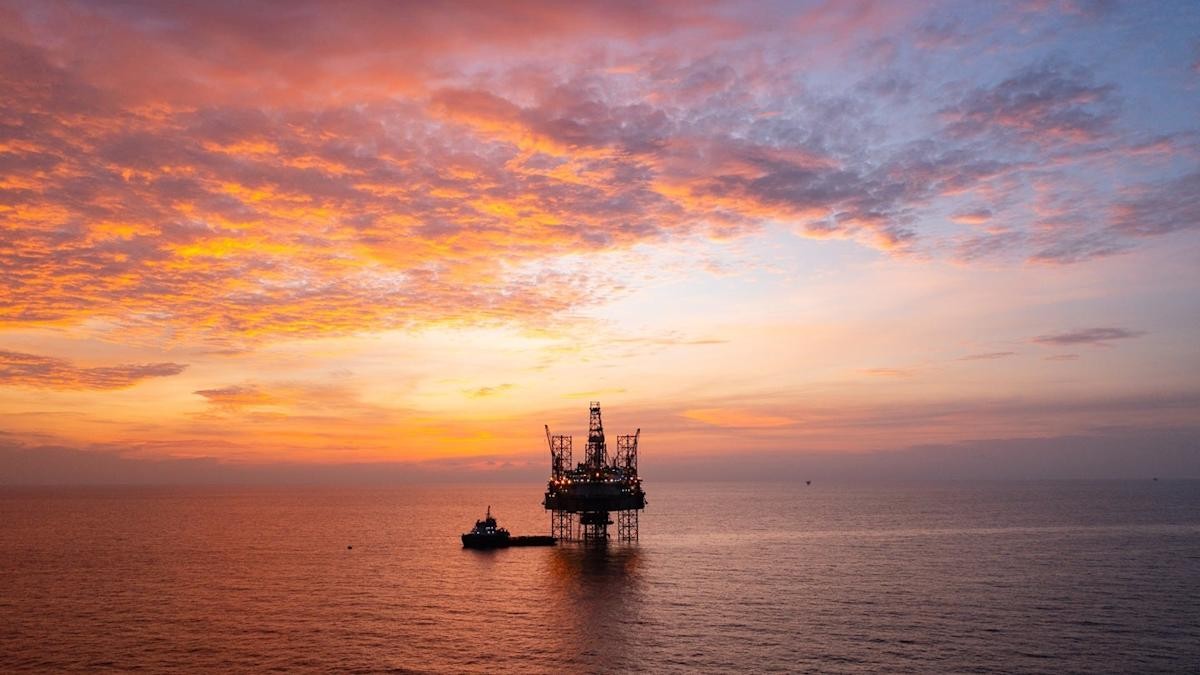
Equinor commenced production from the second phase of the Troll Phase 3 development on August 22, several months ahead of schedule and significantly below its original $1.2 billion budget estimate. The project mobilizes 55 billion cubic meters of natural gas from the Troll West reservoir, equivalent to nearly two years of French gas consumption.
The development represents an acceleration of existing reserves rather than an expansion of the Troll field’s total recoverable resources. Production flows through the Troll A platform, which commenced operations in 1996 and remains integral to European energy infrastructure. The gas is transported via pipeline to the Kollsnes processing facility on Norway’s western coast before entering the broader European pipeline network. This acceleration helps sustain high export levels from one of Europe’s most important energy assets as production from other mature Norwegian fields declines.
Troll’s strategic significance has intensified following Russia’s invasion of Ukraine, as Norway has become Europe’s principal supplier of pipeline gas. The field holds approximately 40% of remaining gas reserves on the Norwegian Continental Shelf and alone supplies gas equivalent to roughly 10% of European consumption. Both the platform and processing facility operate with power supplied from shore, resulting in lower operational emissions compared to many competing gas sources.
The project reuses existing facilities and infrastructure from Troll Phase 3 Stage 1, which began producing in 2021. This approach enabled the development to progress from investment approval to initial production in just over two years, with drilling completed 25% faster than projected. Partners have already approved a subsequent project, Troll West Increased Gas Recovery North, expected to commence in 2028 with production of between 2 million and 2.5 million cubic meters daily.
While the acceleration provides near-term benefits to European energy security, analysts note it brings forward existing production rather than adding new supply. Maintaining current export levels will require additional discoveries and developments to provide replacement volumes as this accelerated production eventually depletes the brought-forward reserves.
Article Attribution | Read More at Article Source
Article summary produced by Claude AI